Discover the Best Ladies Shoulder Exercise for Lasting Strength
A strong upper body helps you carry groceries, hold yoga poses, and sit or stand with ease. A smart ladies shoulder exercise routine also supports your neck and back, which can reduce everyday aches and improve your posture over time.
Below, you will find practical guidance on how your shoulder muscles work, how often to train them, and a simple routine you can follow at home or in the gym to build lasting strength without overloading your joints.
Understand your shoulder muscles
Before you pick up a weight, it helps to know what you are training. Your shoulder is one of the most mobile joints in your body, which is great for reaching and lifting but also makes it naturally unstable.
Key muscles you work
When you do any ladies shoulder exercise, you are usually targeting several muscle groups at once:
- Deltoids, the rounded shoulder muscles with three parts: front (anterior), side (lateral), and rear (posterior)
- Rotator cuff, four small muscles that wrap around the shoulder joint and keep the arm bone centered in the socket
- Upper back and shoulder blade muscles, such as the trapezius and rhomboids, that help you pull your shoulders back and stand tall
- Supporting muscles, including biceps, triceps, chest, and lats, that assist pressing and pulling movements
According to guidance for trainers from the International Sports Sciences Association, effective shoulder programming for women should focus on strength, stability, and range of motion, not just how the muscles look.
When you train these muscles in balance, you are less likely to develop tightness in one area and weakness in another, which is a common cause of shoulder pain and injury.
Why strong shoulders matter for women
If you spend a lot of time sitting at a desk or looking down at a phone, your shoulders probably round forward. Over time, that posture can leave your upper back stiff and your neck sore.
Strength coach and posture specialist Geoff Rose, CPT, notes that strong shoulder and shoulder blade muscles help stabilize the joint, support better posture, and make everyday movements safer and smoother.
That stability also pays off when you:
- Practice yoga or Pilates, especially weight-bearing poses like plank or downward dog
- Lift weights or carry kids, pets, or heavy bags
- Reach overhead to store items or clean
When you prioritize shoulder strength, you are not just training for appearance. You are building the foundation that lets you move confidently in almost every upper body activity.
How often to train your shoulders
You do not need to train shoulders every day to see results. In fact, your muscles grow and get stronger during rest.
A few helpful guidelines from recent fitness resources for women:
- Dedicated shoulder day: Training shoulders once per week with a focused workout is enough for many women, especially if you are also doing full body sessions that include pushing and pulling movements.
- Faster toning: If your goal is to tone your shoulders more quickly, aim for 2 to 3 short sessions per week, around 20 minutes each, with light to moderate weights, as recommended by Shefit’s 2024 guide.
- Weekly volume matters: Research highlighted by Gymshark suggests that total weekly training volume is more important than how many days you train. You can spread your sets over 2 or 3 days if that fits your schedule better.
For most women, 2 sessions per week that include some form of ladies shoulder exercise is a practical starting point. You can always add a third day once you feel comfortable with the movements and your recovery.
Choose the right weights and equipment
If you are new to shoulder training, lighter is usually better at first. Your shoulder joint is complex and relatively delicate compared with larger areas like your hips.
Starting safely
Many coaches recommend:
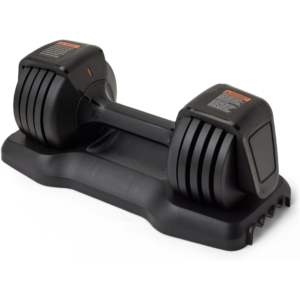
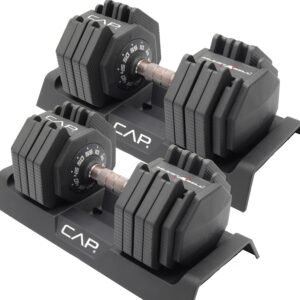
- Beginning with 3 to 5 pound dumbbells or a light resistance band for beginners
- Adding bodyweight and mobility work to warm up your shoulders and improve control before heavier moves
As you get stronger, you can move to medium dumbbells in the 5 to 20 pound range, depending on the exercise and your fitness level. For muscle growth in women’s shoulders, a typical target is 8 to 12 repetitions per set with a weight that feels challenging but allows you to keep good form.
If you only have bands at home, you can still build strong, toned shoulders. Many presses, raises, and rows can be done with band resistance instead of free weights.
A simple rule of thumb: choose a weight that makes the last 2 reps feel tough but not sloppy. If you are swinging or arching your back, the weight is probably too heavy for now.
Best ladies shoulder exercise moves to know
There is no single perfect ladies shoulder exercise, but a mix of pressing, raising, and pulling movements will cover your major muscle groups. The exercises below appear consistently across expert guides for women’s shoulder training.
1. Shoulder press
A classic shoulder press is one of the most efficient ways to work the front and side of your shoulders.
How to do it:
- Sit or stand tall with a dumbbell in each hand at shoulder height, palms facing forward or slightly in.
- Brace your core and press the weights straight up until your arms are close to straight but not locked.
- Lower with control back to shoulder height.
Shefit recommends 8 to 10 pound dumbbells for many women doing shoulder presses, especially if you are focused on toning with 8 to 10 repetitions per set.
2. Dumbbell lateral raise
Lateral raises highlight the side (lateral) delts, which help give your shoulders a rounded, sculpted look.
How to do it:
- Stand with a dumbbell in each hand by your sides, palms facing your thighs.
- With a slight bend in your elbows, lift the weights out to the sides until your arms are about shoulder height.
- Pause briefly, then lower slowly.
Because this move targets smaller muscles, lighter weights like 5 to 8 pounds are often plenty.
3. Front raise
Front raises train the front part of your shoulder, which assists with lifting and pushing movements.
How to do it:
- Stand tall holding a dumbbell in each hand in front of your thighs, palms facing your legs.
- Raise one or both arms straight in front of you to shoulder height.
- Lower with control and repeat.
You can perform this exercise one arm at a time if it helps you focus on form.
4. Bent over reverse fly
The reverse fly targets the rear delts and upper back, areas that are often undertrained but essential for good posture.
How to do it:
- Stand with your feet hip-width apart and hinge forward at the hips, keeping your back flat.
- Hold a dumbbell in each hand with arms hanging down, palms facing each other.
- With a soft bend in your elbows, open your arms out to the sides until they are in line with your shoulders.
- Squeeze your shoulder blades together, then lower slowly.
This move is especially helpful if you sit a lot, since it counteracts forward rounding of the shoulders.
5. Upright row
Upright rows work your side delts and upper traps in one motion.
How to do it:
- Stand with a dumbbell in each hand or a single dumbbell held with both hands in front of your thighs, palms facing your body.
- Pull the weight up along your torso to chest height, keeping your elbows higher than your wrists.
- Pause briefly, then lower back down.
If you have a history of shoulder pain, keep the range of motion smaller and stop before you feel any pinching.
6. Dumbbell Arnold press
The Arnold press is a favorite for overall shoulder development and can be especially useful for women who want to improve shoulder mobility and rotator cuff strength.
How to do it:
- Sit or stand with a dumbbell in each hand, palms facing you at about chest height, elbows bent.
- As you press the weights overhead, rotate your palms to face forward.
- Reverse the motion on the way down, turning your palms back toward you.
The rotational part of this movement helps train your shoulder through a larger range of motion, which can support joint health and stability.
A simple 20 to 25 minute shoulder workout
You do not need a long session to get results. Shefit suggests that working your shoulders 2 to 3 times a week for about 20 minutes can be enough to tone and strengthen them over time.
Here is a sample routine you can follow:
-
Warm up, 3 to 5 minutes
Gentle arm circles, shoulder rolls, and band pull-aparts to get blood flowing and prepare the joints. -
Main set, 3 rounds total
-
Shoulder press, 10 to 12 reps
-
Lateral raise, 10 to 12 reps
-
Bent over reverse fly, 10 to 12 reps
-
Upright row, 10 to 12 reps
Rest 45 to 60 seconds between exercises and 1 to 2 minutes between rounds.
- Finisher, optional, 2 rounds
- Dumbbell Arnold press, 8 to 10 reps
- Light band external rotations, 12 to 15 reps per arm
External rotation, which you can do with a light resistance band, targets the rotator cuff. Gymshark highlights this type of prehab work as especially helpful for women to prevent injuries and improve mobility before heavier lifting.
Adjust the reps and weights as needed. If you finish a set and feel like you could easily keep going, increase the load slightly next time.
How long it takes to see results
Consistent training is more important than perfection. Shefit notes that most women start to notice more definition and strength in their shoulders after roughly 8 to 12 weeks, depending on body type, diet, and how regularly they train and recover.
To give your shoulders the best chance to change:
- Stick with 2 to 3 shoulder focused sessions per week
- Include rest days so your muscles can repair
- Combine strength work with enough protein, hydration, and sleep
Think of your shoulder routine as a long term investment in how you feel, not just how you look.
Tips to protect your shoulder joints
Because the shoulder joint is so mobile, it pays to treat it with care, especially when you are adding new ladies shoulder exercise moves.
A few simple habits help keep your training safe:
- Warm up your shoulders with light, controlled movements before lifting
- Start with lower weights and build up gradually as your form improves
- Stop any exercise that causes sharp or pinching pain, especially at the front of the shoulder
- Mix pushing exercises, like presses, with pulling exercises, like reverse flys and rows, so no area becomes overworked
If you have a history of shoulder injury or ongoing pain, consider checking in with a physical therapist or qualified trainer for a personalized plan and movement check.
With thoughtful progress and a balanced routine, your shoulders can become one of your greatest strengths, supporting both your workouts and your daily life.
About The Author