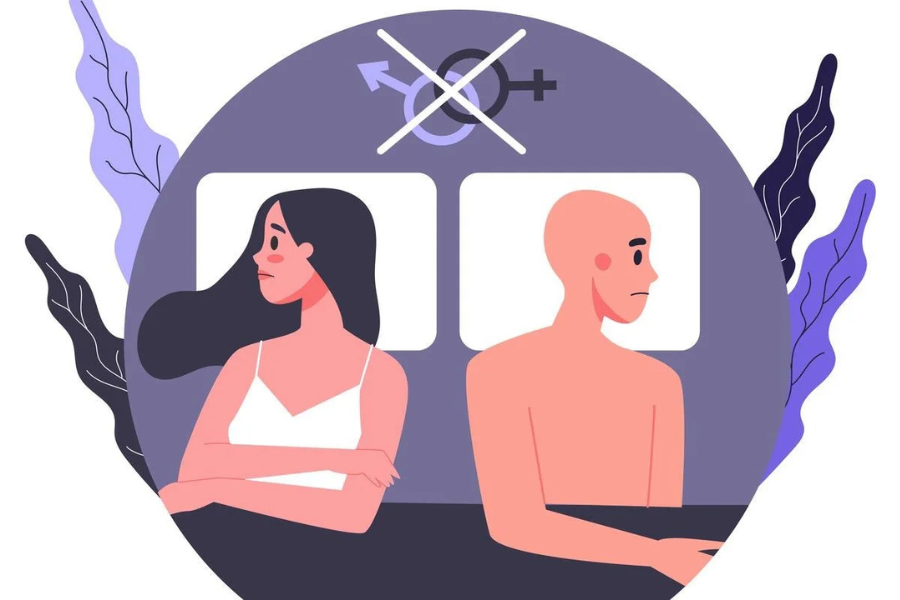
What is sexual health?
Sex is often treated as something you should not talk about, which can leave you guessing about what “good” sexual health actually means. When you search “what is sexual health,” you might be looking for more than just info about infections or birth control. You may want to understand how sex fits into your overall well‑being, your relationships, and your sense of yourself.
Sexual health covers all of that. It is a broad, holistic idea that connects your body, your emotions, your relationships, and your rights.
Understanding what sexual health means
According to the World Health Organization (WHO), sexual health is a state of physical, emotional, mental, and social well‑being in relation to sexuality, not just the absence of disease or dysfunction (WHO). In other words, it is not only about avoiding problems. It is also about having the possibility of pleasurable and safe sexual experiences that are free of coercion, discrimination, and violence.
The American Sexual Health Association similarly describes sexual health as the ability to embrace and enjoy your sexuality throughout life, and emphasizes that everyone has the right to information and services to achieve it (ASHA). Your sexual health is an ongoing part of your overall wellness, not a single box you check once.
You can think of sexual health as an intersection of four main areas. Your body and physical health, your thoughts and emotions, your relationships and social context, and your rights and safety. When one of these is off, you often feel it in the others.
Sexual health is not just “nothing is wrong.” It also means you have the knowledge, freedom, and support to make sexual choices that feel right for you.
How sexuality fits into your life
To understand sexual health, it helps to look at sexuality itself. WHO defines sexuality as a central aspect of being human that includes sex, gender identities, sexual orientation, eroticism, pleasure, intimacy, and reproduction, all influenced by many factors such as culture, religion, and personal history (WHO).
That means your sexual health is shaped by more than your anatomy. It is influenced by:
- Your gender identity and how you express it
- Your sexual orientation and who you are attracted to
- Your beliefs, values, and culture
- Your past experiences, including trauma or discrimination
- The laws, policies, and services around you
The U.S. CDC advisory committee on HIV, viral hepatitis, and STDs stresses that sexual health is affected by social and economic conditions as well as personal choices (Public Health Reports). For example, where you live, whether you have transportation, and how much stigma exists in your community can all change the kind of sexual health care you can realistically access.
If you sometimes feel like your sexual life is shaped by forces beyond you, you are not imagining it. Part of taking care of your sexual health is recognizing these influences and, where possible, seeking support that respects who you are.
Core elements of healthy sexuality
When you break it down, sexual health includes several key components. Each one can give you a lens to check in with yourself.
1. Physical health and sexual function
Your body is a major part of sexual health. This includes:
- Protection from sexually transmitted infections (STIs)
- Access to contraception if you want to prevent pregnancy
- Support for fertility or pregnancy when and if you want it
- Management of conditions that affect sexual function
Sexual dysfunction, for example, is any problem that keeps you or a partner from feeling satisfied with sexual activity, and it is much more common than many people realize. Up to 43 percent of women and 31 percent of men report some degree of sexual dysfunction at some point in their lives (Cleveland Clinic). It can involve desire, arousal, orgasm, or pain, and it can occur at any point in the sexual response cycle.
The good news is that sexual dysfunction is usually very treatable, and you do not have to “just live with it” (Cleveland Clinic). If you notice changes in your desire, performance, or comfort that last for three months or more, a health care provider can help you sort out physical and emotional causes.
Sexual health also connects with other parts of your physical health. Research shows links between sexual health and conditions like cardiovascular disease, menopause, mental health issues, age‑related changes, and cancer (WHO Bulletin). When you take care of your general health, you often support your sexual health at the same time.
2. Emotional and mental well‑being
Sex is not only in your body. It lives in your mind and emotions too. The WHO and other health organizations highlight that emotional and mental well‑being are central to sexual health, not just nice extras (WHO; ASHA).
Your emotional sexual health can include:
- Feeling comfortable with your own desires and boundaries
- Being able to talk about sex without overwhelming shame or fear
- Having realistic expectations of yourself and partners
- Feeling safe to say “yes” or “no”
Stress, anxiety, depression, and past trauma can all show up in your sexual life. They might lower your desire, make it hard to relax, or lead you to avoid intimacy altogether. None of this means you are broken. It simply means your mental health and sexual health are interacting, which is very common.
If sex often leaves you feeling anxious, numb, or distressed, it is worth talking with a therapist, counselor, or health care provider who understands sexual health. Addressing the emotional side can completely change how you experience intimacy.
3. Consent, safety, and sexual rights
Consent and safety sit at the core of sexual health. WHO emphasizes that sexual health requires the possibility of pleasurable and safe experiences free from coercion, discrimination, and violence, and that this is tied to respecting and protecting sexual rights for all people (WHO).
Healthy consent means:
- You choose to participate, without pressure or fear
- You have accurate information about what you are agreeing to
- You can change your mind at any time
- Your partner or partners respect your boundaries
Sexual rights are about your ability to:
- Access information and health services
- Decide if, when, and with whom to have sex
- Express your sexual orientation and gender identity without discrimination
- Be free from sexual violence and abuse
When these rights are violated, sexual health is not possible. If you have experienced coercion, assault, or ongoing pressure, seeking support is a step toward reclaiming your sexual health, not a sign of weakness.
4. Sexual pleasure and satisfaction
Many definitions of sexual health have focused mainly on problems like dysfunction or disease. A more recent WHO review points out that this leaves out the positive aspects, such as pleasure, satisfaction, and consensual experiences, which are vital to understanding what it means to be sexually healthy (WHO Bulletin).
Sexual pleasure is not selfish or optional. It is a recognized part of sexual health and a contributor to overall well‑being (WHO Bulletin). Feeling satisfied with your sexual life can:
- Increase your sense of connection with a partner
- Improve your mood and reduce stress
- Boost your body image and self‑esteem
Pleasure will look different for everyone. For you, it might be solo exploration, partnered sex, physical intimacy without intercourse, or periods of little or no sexual activity by choice. What matters is that your experiences align with your values and feel good to you, not that they match any cultural script.
The role of education and access
You cannot make informed, confident decisions about your sexual life without basic information and practical access to care. ASHA notes that achieving sexual health involves education about anatomy, safer sex, consent, pleasure, and access to preventive care and services (ASHA).
However, not everyone has the same access. For instance, more than 19 million women in the United States live in areas known as “contraceptive deserts,” where they cannot easily access comprehensive contraceptive services (ASHA). Transportation, clinic availability, costs, and local laws can all limit your options.
If you face these barriers, you are not alone, and it is not a personal failing. You might find support through:
- Community health centers
- Planned Parenthood or similar organizations
- Telehealth services where available
- Local nonprofits focused on sexual and reproductive health
When you have accurate information and practical options, you are better able to protect yourself, pursue the kind of sexual life you want, and respond calmly when problems arise.
Why sexual health affects your whole life
Sexual health is not a side issue that only matters in the bedroom. It affects, and is affected by, nearly every part of your life.
Public health experts view sexual health as a powerful framework that can improve outcomes related to HIV and other STIs, unintended pregnancy, and sexual violence by shifting attention from only disease control to broader wellness and respect (Public Health Reports). The WHO and other organizations stress that sexual health is fundamental to the well‑being of individuals, couples, families, and even the social and economic development of communities (WHO).
On a personal level, when your sexual health is supported, you are more likely to:
- Feel connected and supported in your relationships
- Experience better overall physical and mental health
- Have a stronger sense of autonomy and self‑respect
- Feel less shame and more confidence about your body and desires
When sexual health is neglected, problems can ripple outward. Untreated sexual dysfunction can lead to frustration, loneliness, and relationship strain, and it often worsens over time if you feel too embarrassed to seek help (Cleveland Clinic). Similarly, ongoing stigma or discrimination about your identity can increase stress and harm your mental health.
Caring about your sexual health is really another way of caring about your quality of life.
Practical ways to support your sexual health
You do not have to tackle everything at once to improve your sexual well‑being. Small, steady steps can make a real difference.
Here are a few ideas you might start with:
-
Schedule a sexual health checkup
Ask your primary care provider or a sexual health clinic about STI screening, contraception options, or any symptoms or concerns you have. If you have been avoiding these topics, consider writing your questions down and bringing them to your appointment. -
Learn more about your body and rights
Read reliable resources from organizations like WHO, ASHA, or trusted public health agencies. Understanding your anatomy, your choices, and your rights can make you feel more grounded and prepared. -
Practice open communication
If you have a partner, try one short conversation about a sexual topic that matters to you. It might be about boundaries, preferences, or safety. Approach it as a shared problem‑solving and connection activity, not a performance review. -
Reflect on your comfort and consent
Check in with yourself before, during, and after sexual activity. Do you feel pressured or rushed? Do you feel free to slow down or stop? If not, consider what boundaries or changes would help you feel safer. -
Seek support when something feels off
Whether you notice physical pain, changes in desire, difficulty with arousal or orgasm, or emotional distress related to sex, you are allowed to ask for help. A health care provider, therapist, or sexual health specialist can work with you to find answers.
Bringing it all together
When you ask “what is sexual health,” you are really asking how sex and sexuality fit into a life where you feel safe, respected, informed, and fulfilled. It is not about achieving a perfect sex life. It is about having what WHO calls a state of physical, emotional, mental, and social well‑being in relation to sexuality, with your rights recognized and protected (WHO).
You deserve clear information, compassionate care, and the freedom to shape your sexual life in a way that feels right for you. If you choose just one small step from this article, you are already investing in your sexual health and, by extension, your overall well‑being.
About The Author


