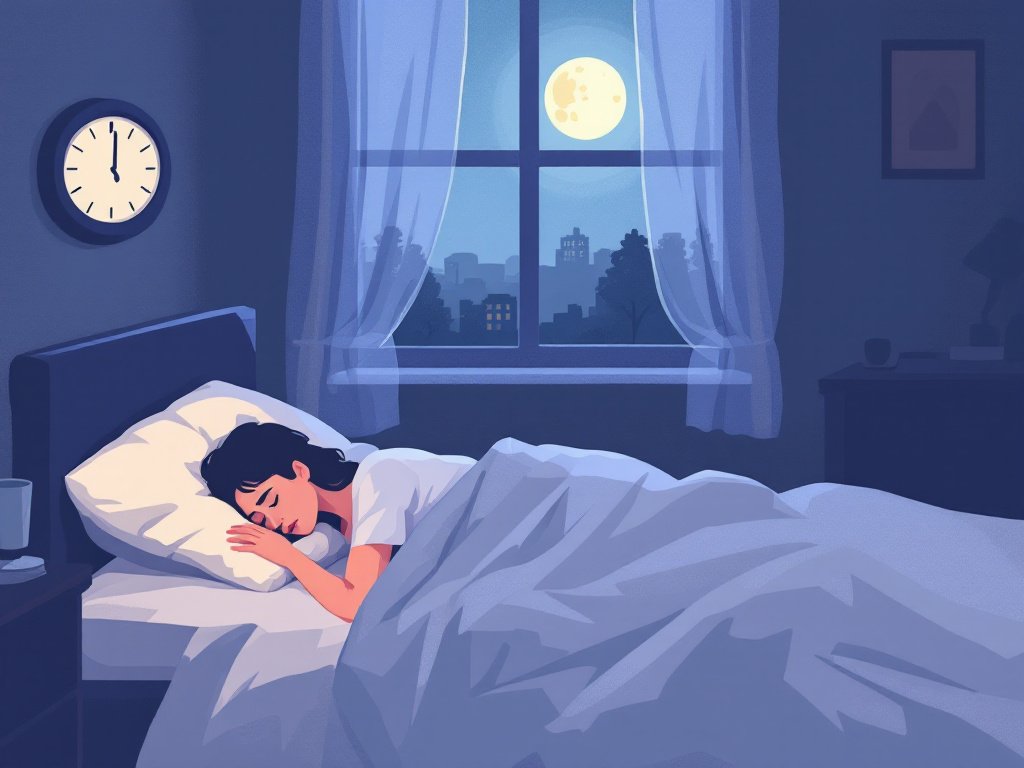
Why do I keep waking up at 3am?
Waking up at 3 a.m. can feel frustrating, especially when you are exhausted and your alarm is hours away. If you keep asking yourself, “why do I keep waking up at 3am?” you are not alone. Many people wake around the same time each night due to a mix of sleep cycles, stress, lifestyle habits, and sometimes medical issues.
Understanding what might be going on can help you make small changes that lead to deeper, more consistent sleep.
How your sleep cycles affect 3 a.m. wakeups
Your body moves through several sleep cycles each night. If you usually fall asleep around 10 p.m., by 3 a.m. you are often in REM sleep. This is the lightest sleep stage and it is easier to wake up during it, according to sleep medicine specialist Nancy Foldvary-Schaefer, DO (Cleveland Clinic).
Because REM is light sleep, even a small noise, a shift in temperature, or a passing worry can be enough to wake you. Waking briefly during the night is normal, and many people do not remember it. The issue starts when you become fully awake and have trouble getting back to sleep over and over again.
If you keep waking around the same time, your brain can start to expect it. Over time that 3 a.m. pattern can turn into a habit, even when the original trigger has faded.
Common physical reasons you wake at 3 a.m.
Sometimes the answer to “why do I keep waking up at 3am” is simply that your body needs something.
You might be waking to use the bathroom, especially if you drink a lot of fluids late in the evening. Frequent nighttime trips can signal nocturia, a pattern of waking to urinate that may need a conversation with your doctor (Cleveland Clinic). Pain, heartburn, night sweats, or feeling too hot or too cold can also interrupt your sleep.
Age can play a role too. As you get older, you tend to spend less time in deep, restorative sleep and more time in lighter stages. This makes you more likely to wake from small disturbances and to be aware of being awake several times per night (UCLA Health).
If you are pregnant, hormonal and physical changes can make it harder to stay asleep through the night. Heartburn, cramps, frequent urination, and general discomfort all contribute to waking more often, sometimes in the early morning hours (Healthline).
How stress and anxiety keep you awake
Stress is one of the most common reasons you wake up in the middle of the night and cannot drift back off. When you are stressed, your body activates the sympathetic nervous system, which increases your heart rate and blood pressure. This stress response can make you feel wired at 3 a.m. even if you are exhausted (Healthline).
You might notice your mind racing with thoughts about work, family, money, or health. Baylor College of Medicine notes that stress can lead to difficulty falling asleep and fragmented sleep, because you stay mentally “on” when you are supposed to be winding down (Baylor College of Medicine).
There is also something called sleep reactivity, which is how strongly your sleep responds to stress. People with high sleep reactivity are much more likely to struggle with falling asleep and staying asleep when life gets stressful. Research shows they are more than twice as likely to develop chronic insomnia within a couple of years (NCBI PMC). If you notice that any stressful event throws your sleep off for days or weeks, your sleep system may simply be more sensitive.
Anxiety and depression can add another layer. Both are linked to middle of the night awakenings and restless, unsatisfying sleep (Sleep Foundation). In some cases, treating insomnia can actually help improve depression symptoms more quickly (Mayo Clinic).
The role of light, screens, and sleep hygiene
Your brain uses light cues to decide when to feel awake or sleepy. Exposure to light in the middle of the night can confuse that system.
Streetlights coming through thin curtains, a bright alarm clock, or turning on your phone at 3 a.m. can all tell your brain it might be daytime. This makes it harder to stay asleep or to fall back asleep once you are awake (Cleveland Clinic).
In the hours before bed, blue light from phones, tablets, and laptops suppresses melatonin, the hormone that helps you feel sleepy. It also activates your brain at a time when you want it to quiet down (Baylor College of Medicine). Combined with late caffeine or alcohol and an irregular sleep schedule, this is often called poor sleep hygiene.
Improving sleep hygiene can make a noticeable difference in how often you wake at night. This includes:
- Keeping a consistent sleep and wake time, even on weekends
- Limiting screen time in the hour before bed
- Creating a relaxing pre-sleep routine, such as a warm bath, gentle stretching, or breathing exercises
- Avoiding big meals, caffeine, and alcohol close to bedtime
These habits support your natural circadian rhythm and may reduce the chances that you snap awake at 3 a.m. (Baylor College of Medicine).
When waking at 3 a.m. points to insomnia
If you have been waking in the middle of the night several times a week for months, and you struggle to fall back asleep, you might be dealing with insomnia. Insomnia is a diagnosable sleep disorder that affects about 10 to 20 percent of people, and up to 40 percent of older adults (Healthline).
Insomnia is defined by more than just a bad night here and there. It usually involves:
- Trouble falling asleep
- Waking during the night and not getting back to sleep
- Waking too early
- Daytime effects like fatigue, irritability, or poor concentration
Over the counter sleep aids rarely provide long term relief for this kind of pattern, according to the Mayo Clinic (Mayo Clinic). They might help you feel drowsy, but they do not address the underlying causes.
Cognitive behavioral therapy for insomnia, often called CBT I, is considered a first line treatment. It focuses on changing behaviors and thought patterns that keep you awake. For many people, it is more effective and longer lasting than medication (Sleep Foundation).
If you have been waking at 3 a.m. at least three times per week for more than three months and it is affecting your days, it is worth bringing up with a medical professional.
Hormones, aging, and early morning wakeups
Hormones help regulate your sleep wake cycle. As you age, your levels of melatonin and other hormones shift, and this can change when you feel sleepy and when you naturally wake up.
Older adults often feel tired earlier in the evening and wake earlier in the morning. They also tend to spend more time in lighter sleep, which leads to more awakenings during the night (UCLA Health). Chronic health conditions and the medications used to treat them can also disturb sleep and lead to earlier wake times, including around 3 a.m. (UCLA Health).
Women going through menopause often experience hot flashes and night sweats, which can wake them suddenly and make it hard to get back to sleep. Hormonal changes during menstruation and pregnancy can have similar effects (Sleep Foundation).
Timed light exposure in the morning, along with a regular daily routine and consistent movement, can help steady your circadian rhythm and reduce early waking in some cases (Healthline).
Could a sleep disorder be the cause?
Sometimes recurring 3 a.m. wakeups hint at an underlying sleep disorder. Conditions like sleep apnea, restless legs syndrome, or chronic pain can repeatedly interrupt your sleep without you fully realizing why. The Mayo Clinic notes that treating the underlying medical issue is often necessary to improve your sleep (Mayo Clinic).
Sleep specialists are trained to spot these patterns and recommend testing or treatment. Duke Health points out that poor sleep and frequent nighttime awakenings can affect mood, energy, hormones, weight, and even long term heart health (Duke Health). The American Heart Association now includes sleep quality as a key factor in cardiovascular health, which highlights how important it is to address ongoing sleep issues (Duke Health).
Before seeing a specialist, it can help to track your sleep and note:
- What time you go to bed and wake up
- How often you wake at night and what seems to trigger it
- Any medications, caffeine, or alcohol you use
- Daytime symptoms like sleepiness or mood changes
Bringing a partner or family member who has seen your sleep behaviors can also give your provider valuable information (Duke Health).
Simple steps to start sleeping through 3 a.m.
You may not be able to control every reason you wake at 3 a.m., but you can set up your nights so your body has a better chance of staying asleep.
Try focusing on a few practical changes:
- Set a regular sleep schedule so your body knows when to wind down and when to wake up.
- Create a calming pre bed routine with quiet activities and dim lighting.
- Keep screens out of bed and avoid scrolling if you wake during the night.
- Limit evening caffeine and alcohol and avoid large, heavy meals late at night.
- Make your bedroom dark, quiet, and cool, and use blackout curtains or an eye mask if needed.
- Practice a simple relaxation technique, such as slow breathing, if you wake and feel tense.
If you have tried these changes and you still keep waking up at 3 a.m. for several months, or if you feel unwell, short of breath, very low in mood, or extremely sleepy during the day, consider talking with a healthcare professional or sleep specialist. Persistent middle of the night awakenings can be a sign that your body needs more support (Mayo Clinic).
Understanding why you keep waking up at 3 a.m. is the first step. With a few adjustments and, when needed, professional help, you can move toward deeper, steadier sleep that leaves you feeling more rested in the morning.
About The Author