Daily Habits for Emotional Stability You Can Start Today
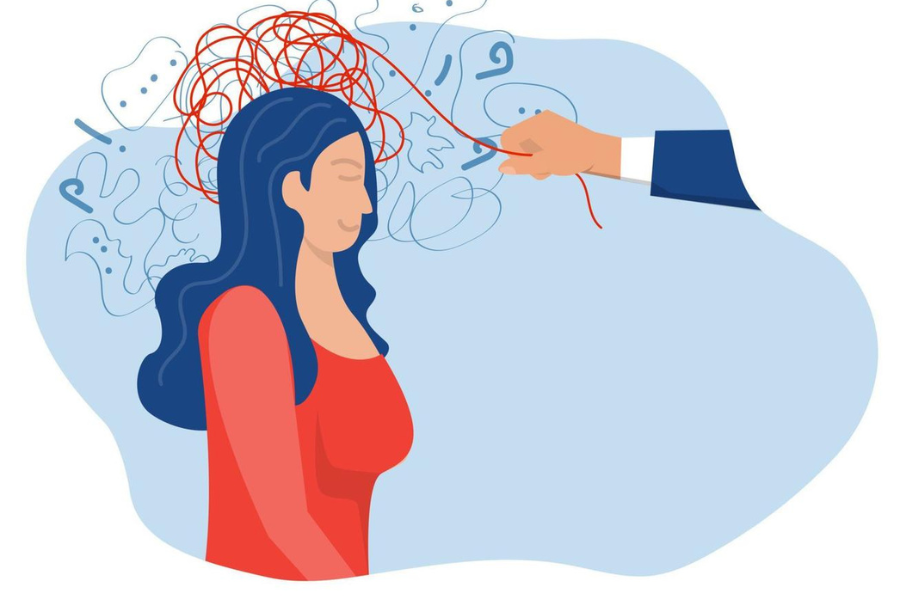
Feeling emotionally steady does not mean you never get upset. It means you can meet stress, sadness, or frustration without feeling completely overwhelmed. Building daily habits for emotional stability gives you a predictable foundation to stand on, even when life is unpredictable.
Instead of trying to overhaul your entire life at once, you can start with a few simple, science‑backed routines. Each habit below is realistic, flexible, and something you can begin today.
Why daily habits support emotional stability
When your days feel chaotic, your brain works overtime trying to predict what happens next. That constant uncertainty can increase anxiety and make mood swings more likely. A daily routine, even a loose one, creates a sense of structure that helps you feel grounded, safe, and supported, especially if you live with depression or anxiety (The Pavilion at Williamsburg Place).
Predictable patterns for meals, sleep, and self‑care reduce mental clutter and decision fatigue. Over time, this consistency helps regulate stress hormones and supports steadier moods (The Pavilion at Williamsburg Place). You do not have to follow a rigid schedule. Even a handful of anchor habits, repeated most days, can make a noticeable difference.
Start small and make changes stick
If you try to transform everything overnight, you are more likely to burn out and give up. A better approach is to focus on tiny, sustainable steps.
Healthy daily routines often include nutritious food, movement, and sleep, but the specific activities need to fit your life and responsibilities (Mental Health America). You might:
- Add one positive habit per week, for example a five‑minute walk after lunch.
- Remove one unhelpful habit per week, like scrolling in bed for an hour before sleep.
This pace is slow on purpose. Small changes are easier to repeat, and repetition is what rewires your brain. If your mental health symptoms make even basic tasks hard some days, it is okay to shrink your goals even further. On tough mornings, something as simple as taking a shower or eating a basic breakfast can be enough to reconnect you with a sense of stability (The Pavilion at Williamsburg Place).
Build a grounding morning routine
You do not need a perfect “5 a.m. miracle morning.” You just need a gentle sequence that helps your body and mind shift from sleep to wakefulness.
Choose 3 simple steps
Start with a short list you can realistically follow most days. For example:
- Drink a glass of water.
- Open the curtains or blinds to let in light.
- Take three slow, intentional breaths before looking at your phone.
Creating and repeating simple patterns like these makes it easier to complete healthy tasks without as much effort, which supports mental health, especially if you live with depression or anxiety (Mental Health America).
Add mindful moments
Morning is a good time for a brief mindfulness exercise in a quiet space. Mindfulness is the practice of paying close attention to your current sensations and feelings without judging them, which helps reduce stress and improve emotional balance (Mayo Clinic).
You could:
- Sit for three minutes and notice your breathing.
- Do a quick body scan, mentally moving from your head to your toes.
- Open a window and spend one minute noticing what you see, hear, and feel.
Consistent mindfulness practice over time can make it feel more natural and effortless, and it can help you reconnect with your emotional well‑being (Mayo Clinic).
Use mindfulness to steady your emotions
Mindfulness is not about emptying your mind. It is about noticing your thoughts and feelings without letting them carry you away. This can be especially helpful if you tend to spiral into “what if” thinking or replay stressful situations.
Mindfulness exercises can redirect your attention away from negative or random thoughts that feed stress, anxiety, and symptoms of depression, which supports greater emotional stability (Mayo Clinic).
Try quick mindfulness exercises
You can sprinkle short practices throughout your day, even when you are busy. For example:
- Five Senses Exercise. Notice five things you see, four you can touch, three you hear, two you smell, and one you taste. This simple pattern can quickly ground you in the present moment (PositivePsychology.com).
- 3‑Minute Breathing Space. Spend one minute noticing your thoughts and feelings, one minute focusing on your breath, and one minute expanding your awareness to your whole body and surroundings. This brief structure supports emotional regulation when you feel stressed (PositivePsychology.com).
Over weeks and months, regular mindfulness can deepen your awareness of what you feel, which is a key part of emotional stability.
If you are new to mindfulness, start with just one exercise once a day. Consistency matters more than length or complexity.
Move your body to calm your mind
Movement is one of the most reliable daily habits for emotional stability. Exercise boosts feel‑good chemicals and pulls your attention away from constant worries, which makes it a powerful natural stress reliever (Mayo Clinic).
You do not need an intense workout. For most healthy adults, aiming for at least 150 minutes of moderate activity like brisk walking per week or 75 minutes of vigorous activity like running can reduce stress and support emotional well‑being (Mayo Clinic). Strength training twice a week adds further benefits for both physical and emotional stability (Mayo Clinic).
If that sounds like a lot, break it up. Short 10‑minute walks or quick sets of squats and push‑ups throughout the day can add up and still help manage stress (Mayo Clinic). You can also set simple, realistic goals that are specific and measurable so that your routine feels doable rather than overwhelming.
Make sleep a non‑negotiable
Emotional stability is almost impossible when you are chronically exhausted. Sleep affects your mood, your ability to think clearly, and how easily you react to stress.
Good sleep habits include keeping your bedroom cool, dark, and quiet and aiming for around eight hours of sleep per night when possible (Mental Health America). To support better rest, you can:
- Go to bed and wake up at consistent times most days.
- Avoid large meals and heavy screen time right before bed.
- Create a short wind‑down routine, such as stretching, reading, or listening to calm music.
If insomnia or frequent waking is an ongoing issue, consider talking with a healthcare or mental health professional about additional options.
Journal to process thoughts and feelings
Writing down what is on your mind gives your thoughts a place to go instead of circling in your head. Journaling can help you manage anxiety, stress, and depression by letting you express yourself in a safe way and gain more control over your emotions (URMC).
A large review of randomized trials found that journaling interventions led to meaningful, although modest, improvements in mental health symptoms overall, with particularly strong effects on anxiety and post‑traumatic stress symptoms (PMC). Longer practices that continued for more than 30 days were linked with better reductions in depressive symptoms (PMC).
You do not need to write pages. Setting aside a few minutes each day to write or even draw freely is enough to build the habit (URMC). You can use your journal to:
- List your worries and then identify which ones you can act on.
- Track mood patterns and possible triggers.
- Practice more encouraging self‑talk and challenge harsh inner criticism.
Try to keep your journal private and just for you, since honest writing appears to be more helpful than writing for an audience (PMC). You can also turn journaling into a calming ritual by writing in a comfortable place, perhaps with a warm drink, so it feels relaxing rather than like homework (URMC).
Spend time outdoors and in nature
Nature can be a quiet reset button for your nervous system. Even short, low‑effort moments outside can help you feel calmer and more balanced.
Spending time in nature, whether you are taking a walk, smelling flowers, or simply sitting by a tree, can reduce stress and support emotional stability (Mental Health America). You might:
- Take a five‑minute walk around the block at lunch.
- Sit on a bench and notice the sky and surrounding sounds.
- Open a window and focus on the fresh air if going outside is not possible.
Pairing this with a simple mindfulness or breathing exercise can deepen the calming effect.
Plan ahead so habits survive busy days
The hardest part of new habits is sticking with them on days when you are tired, stressed, or short on time. Planning ahead makes it easier to follow through even when motivation is low.
Preparing meals or snacks in advance, setting out clothes the night before, or having a backup indoor exercise option all help you maintain new routines on hectic days (Mental Health America). When you plan for obstacles upfront, you rely less on willpower in the moment.
You can also keep a short list of “bare minimum” habits for rough days, such as:
- Drink one glass of water.
- Step outside for two minutes.
- Write one sentence in your journal.
These small actions help you stay connected to your routines without expecting perfection.
Connect with others and ask for help
Human connection is a powerful stabilizer. Spending time with people who care about you can lower stress hormones and support a better mood (Mental Health America). Connection can look like:
- Texting a friend to check in.
- Calling a family member while you cook.
- Spending time with a pet.
- Joining a support group or hobby club.
If you are recovering from a mental health crisis or dealing with intense symptoms, structured daily activities that include rest, meals, recreation, therapy, and reflection can provide a solid foundation for your healing and help you maintain progress (The Pavilion at Williamsburg Place). Professional support can also help you design routines that feel realistic and sustainable for your specific situation.
If you live in an area served by The Pavilion at Williamsburg Place, they provide help in building daily routines that promote healing and reduce overwhelm for people facing mental health challenges (The Pavilion at Williamsburg Place).
Putting it all together: your first step today
You do not need to adopt every idea at once. To get started with daily habits for emotional stability, choose one of these steps:
- Take a 5‑ to 10‑minute walk outside and notice your surroundings.
- Set a consistent bedtime and start winding down 20 minutes earlier tonight.
- Write for five minutes about how you are feeling.
- Try a short breathing exercise, for example inhale for 4 seconds, hold for 4, exhale for 4, hold for 4 (Mental Health America).
Pick the habit that feels easiest, and repeat it tomorrow. Over time, these small, steady actions can help you feel more anchored, more resilient, and more at home in your own life.
About The Author