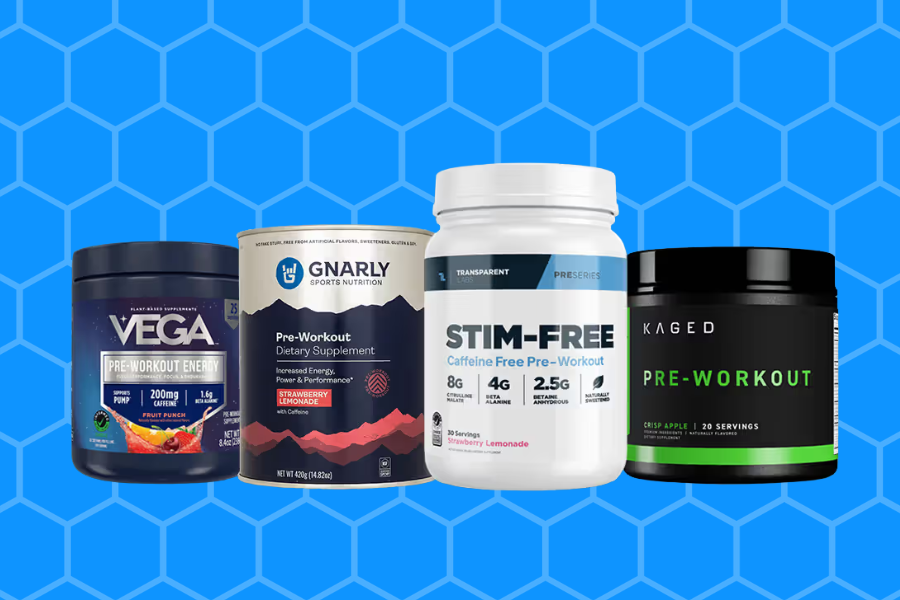
The Best Pre-Workout for Beginners to Try Today
A good pre-workout for beginners should feel like a gentle nudge, not a jolt. Before you scoop anything into your shaker, it helps to understand what pre-workout actually is, which ingredients matter, and how to choose something that supports your goals without side effects.
Understand what pre-workout does
Pre-workout supplements are multi-ingredient products that you take before exercise to help boost energy, strength, endurance, and sometimes recovery. Most are powders you mix with water, but you will also see pills, gummies, and ready-to-drink options. You typically take them 15 to 60 minutes before your workout so the ingredients have time to kick in. University Hospitals notes that 30 minutes is a common sweet spot.
At their best, pre-workouts can help you feel more alert, push a little harder, and stay focused during training. At their worst, they can cause jitters, stomach issues, or sleep problems. Most people can get solid workouts from food and hydration alone, and GoodRx points out that many do not truly need a supplement. As a beginner, it is smart to treat pre-workout as a tool you might use sometimes, not a requirement every time you exercise.
Learn the key ingredients
When you look at pre-workout for beginners, the label can read like another language. Focusing on a few core ingredients makes it easier to decide if a product is worth trying.
Caffeine for energy and focus
Caffeine is the star of most pre-workouts. It is also the most researched ingredient for boosting alertness, concentration, and performance during exercise, according to sports dietitians at University Hospitals. It can help you feel more awake and make hard sets feel more manageable.
Many pre-workouts contain anywhere from about 150 mg to well over 300 mg of caffeine per serving. Some products can reach close to 400 mg, which is the upper daily limit that ProSupps and GoodRx suggest staying under for most healthy adults. As a beginner, start lower, especially if you also drink coffee, tea, or energy drinks.
Beta-alanine for reduced fatigue
Beta-alanine is an amino acid that helps buffer lactic acid in your muscles. Over time, this can reduce the burning sensation you feel in high-intensity sets and delay fatigue. University Hospitals notes that this is one of the ingredients with better evidence behind it.
You should know that beta-alanine can cause a harmless tingling sensation on your skin, called paresthesia. Healthline explains that you can reduce this by splitting doses into smaller amounts or choosing sustained-release formulas. If tingling really bothers you, you may prefer a product with a lower dose or without beta-alanine.
Creatine for power and strength
Creatine monohydrate is one of the most studied sports supplements. It helps your muscles regenerate energy during short, intense efforts, such as lifting or sprinting. Over time, it can support strength, power, and muscle gains, and University Hospitals notes that its benefits are especially clear for strength training.
Some pre-workouts include creatine, others leave it out so you can take it separately. Creatine can cause a small amount of water weight gain as your muscles store more fluid. Healthline highlights that following a standard dosing protocol and staying hydrated helps you manage this effect.
Citrulline, nitrates, and blood flow boosters
Ingredients like L-citrulline and nitrates are often included to support blood flow. Better blood flow can help deliver oxygen and nutrients to working muscles and contribute to the “pump” you feel during workouts. GoodRx lists citrulline among the popular ingredients that may benefit performance, while Memorial Hermann points to nitrates as another helpful option, especially when dosed properly before training.
Electrolytes, carbs, and BCAAs
Some pre-workouts also include:
- Electrolytes such as sodium, potassium, and magnesium for muscle function and to replace sweat losses
- Carbohydrates or sugars for quick energy, sometimes combined with a carb snack before training
- Branched-chain amino acids (BCAAs)
Electrolytes can be especially useful if you sweat heavily. University Hospitals notes they may help reduce cramps, headaches, and fatigue from low electrolyte levels. BCAAs are popular, but the same source points out that there is limited evidence they boost strength or endurance when taken right before exercise, so they are more of a “nice to have” than a must-have for beginners.
Know when you actually need pre-workout
You do not have to use pre-workout just because you are starting a fitness routine. Several experts stress that your overall nutrition and sleep matter more than any scoop of powder.
GoodRx and Memorial Hermann both emphasize that many people can perform well with balanced meals and simple pre-workout snacks, like half a banana, granola, dry cereal, or pretzels, especially if they have not eaten in 3 to 4 hours. These options can provide energy without the possible side effects of supplements.
Pre-workout tends to be most useful when:
- You are doing high-intensity or endurance workouts that last longer than about 90 minutes
- You are training in the early morning or late evening and feel very low on energy
- You are an athlete or bodybuilder looking for a small performance edge
For lower intensity activities like yoga, Pilates, or tai chi, Memorial Hermann notes that pre-workout is usually unnecessary.
Choose a beginner-friendly formula
When you are ready to try pre-workout for beginners, focus on gentle formulas with transparent labels and moderate doses.
Look for clear labels and third-party testing
Supplements are not reviewed or approved by the FDA before hitting shelves. GoodRx warns that some products may contain inaccurate amounts of ingredients or even banned substances. This is especially important if you compete in tested sports.
To protect yourself, look for:
- Third-party testing seals from organizations that verify ingredients and purity
- Full label transparency without “proprietary blends” that hide exact doses
- Reasonable caffeine content, usually well under 300 mg per serving for beginners
Dietitian Kim Lowry at Memorial Hermann also recommends avoiding risky ingredients like DMAA, an illegal stimulant, and being cautious with extra stimulants like guarana or high doses of ginseng that can make your heart race.
Start with moderate caffeine
The best pre-workout for beginners uses caffeine in a range that feels energizing but not overwhelming. Reviewers at Garage Gym Reviews point to several beginner-friendly options in the 175 to 200 mg caffeine range, such as:
- Jacked Factory NitroSurge, about 180 mg caffeine plus L-citrulline and beta-alanine
- Transparent Labs BULK, about 200 mg caffeine with citrulline, beta-alanine, and other performance ingredients
- C4 Sport, about 200 mg caffeine and added creatine nitrate for strength and endurance
- Optimum Nutrition Gold Standard Pre-Workout, about 175 mg caffeine plus creatine and beta-alanine
These examples are not the only choices, but they illustrate what a “moderate” dose looks like. ProSupps suggests keeping your total daily intake under 400 mg and considering stimulant-free options if you are sensitive to caffeine.
As a simple rule, if you already drink coffee or tea, count that caffeine too so your total stays within a comfortable range.
Use pre-workout safely as a beginner
Once you have chosen a product, how you use it matters just as much as what is in it.
Start low and test on training days
Multiple sources, including GoodRx and Healthline, recommend that beginners:
- Start with a smaller amount than the full serving, such as half a scoop
- Try it first on a regular training day, not on a race or competition day
- Give yourself time to see how your body responds before increasing the dose
This approach helps you catch any side effects, like anxiety, rapid heartbeat, or digestive discomfort, in a low-stakes setting.
Time it with food and hydration
Memorial Hermann advises taking pre-workout 30 to 60 minutes before exercise, and ProSupps suggests a 15 to 30 minute window for many products. You do not want to rely on pre-workout instead of food, so try pairing your drink with a light carb-based snack, such as a banana, oatmeal, or a rice cake, especially if it has been several hours since your last meal.
Digestive upset can sometimes occur with ingredients like caffeine, sodium bicarbonate, magnesium, and others. Healthline notes that mixing your pre-workout with 8 to 12 ounces of water and sipping it rather than slamming it can help. If one formula bothers your stomach, you may need to experiment with another product or a lower dose.
Do not use it every workout
Using pre-workout every time you exercise can build tolerance. Over time, you might feel less of an effect and be tempted to keep increasing the dose. Healthline suggests using pre-workout selectively, for example up to three times per week before harder resistance training or high-intensity sessions.
This keeps the supplement feeling effective, protects your sleep on rest days, and reduces your overall caffeine load.
Watch for side effects and red flags
Even a “best” pre-workout for beginners can cause issues if it does not suit your body or health conditions. Be cautious if you notice:
- Significant anxiety, restlessness, or feeling “wired”
- Difficulty sleeping, especially when taking pre-workout late in the day
- Palpitations, chest discomfort, or very high heart rate
- Ongoing digestive problems like nausea, cramping, or diarrhea
High caffeine pre-workouts, sometimes up to 387 mg per serving, can trigger these side effects according to GoodRx. People under 18 or those with heart conditions should avoid pre-workout supplements, and University Hospitals recommends that anyone with medical concerns or medications talk with a doctor before using them.
If you ever feel unwell after taking a product, stop using it and check in with a healthcare professional. No workout boost is worth risking your health.
Put it all together
Choosing pre-workout for beginners is mostly about moderation, clarity, and listening to your body. You will be in a good place if you:
- Treat pre-workout as optional support, not a requirement
- Focus on clear labels, moderate caffeine, and third-party tested products
- Start with small doses on regular training days and increase slowly if needed
- Pair your supplement with simple carbs and plenty of water
- Use it for harder sessions rather than every single workout
From there, you can decide whether pre-workout truly helps you feel and perform better, or if you prefer the steady energy that comes from food, hydration, and consistent sleep. Your best routine is the one you can stick with comfortably, with or without a scoop in your shaker.
About The Author