Say Goodbye to Slumps with Pre-Workout for Energy
Pre-workout for energy is one of those topics that can feel confusing fast. Is it just expensive caffeine, or can it actually help you crush your workouts without crashing later? With the right information, you can use pre-workout strategically instead of relying on guesswork or hype.
This guide walks you through how pre-workout for energy works, which ingredients really matter, how to take it safely, and when you might not need it at all.
What pre-workout for energy actually does
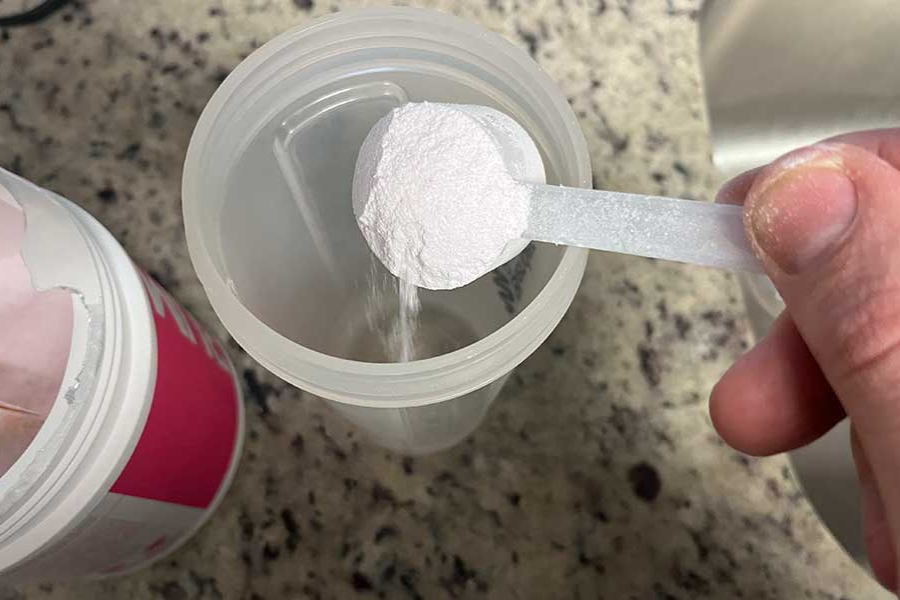
Pre-workout supplements are powders or pills that you take about 20 to 45 minutes before exercise. They are designed to increase your energy, strength, focus, and endurance so you can get more out of your training session. Most products focus heavily on energy, usually through caffeine and a mix of performance ingredients.
According to University Hospitals, pre-workouts are multi-ingredient supplements intended to boost energy, strength, and endurance, and sometimes assist recovery when used before training (University Hospitals). The key is that they do more than just wake you up. When properly formulated, they can improve blood flow, power output, and fatigue resistance, which translates to better performance during high-intensity workouts (Athlean-X).
That said, not every product on the shelf is effective or necessary. Once you understand the core ingredients and how they work, you can decide whether pre-workout fits your routine and how to use it in a way that supports your health.
How pre-workout boosts your energy
Most of the energy you feel from pre-workout comes from a few well-studied ingredients that work in different but complementary ways.
Caffeine for alertness and drive
Caffeine is the foundation of almost every pre-workout for energy. It stimulates your central nervous system, blocks adenosine (the brain chemical that signals tiredness), and improves reaction time and perceived effort. You feel more awake, more focused, and ready to push harder.
Cleveland Clinic notes that caffeine is the main ingredient in most pre-workouts and that it helps improve reaction time and reduces fatigue, which provides extra exercise energy (Cleveland Clinic). Effective doses for performance generally fall between 3 to 6 milligrams per kilogram of body weight. This is usually around 150 to 300 milligrams for many people, but going above 300 milligrams can increase the risk of jitters, anxiety, and sleep disruption (Athlean-X).
Several guides point out that many commercial formulas land near the top of that range, between 150 and 300 milligrams per serving, which is roughly equivalent to two to three cups of coffee (Cleveland Clinic, GoodRx). If you are sensitive to caffeine or already drink coffee, this is where dose awareness becomes critical.
Nitric oxide boosters for better blood flow
You might see ingredients like L-citrulline or citrulline malate on the label. These are nitric oxide precursors that help widen blood vessels, which improves blood flow to working muscles. Better blood flow can mean stronger muscle pumps, more oxygen and nutrient delivery, and a bit more endurance.
Research-backed guides suggest that citrulline malate in the range of 4 to 8 grams before exercise supports increased blood flow and improved performance. Many commercial blends underdose this ingredient, so it is worth checking how much your product actually contains (Transparent Labs, Athlean-X).
Fatigue buffers and strength supporters
Two other common ingredients in pre-workout for energy are beta-alanine and creatine. They are less about immediate “buzz” and more about making hard efforts feel more manageable.
- Beta-alanine helps increase carnosine levels in your muscles. Carnosine buffers the acid that builds up during intense exercise, which delays the burning sensation and fatigue you feel during high-intensity sets. Multiple sources highlight that around 3 to 6 grams daily can improve muscular endurance and reduce fatigue over time (Garage Gym Reviews, Transparent Labs). The tingling you sometimes feel after taking pre-workout is a harmless side effect of this ingredient.
- Creatine helps your muscles regenerate ATP, your body’s primary energy currency, during short bursts of intense activity. Taken consistently at about 3 to 5 grams per day, creatine has been shown to support strength, power, muscle mass, and recovery (University Hospitals, Garage Gym Reviews). Some pre-workouts include it, but you can also take it separately.
You may also see betaine, taurine, L-tyrosine, or BCAAs. These can play supporting roles in endurance, hydration, and focus, but the main energy levers are still caffeine, nitric oxide boosters, fatigue buffers, and creatine (Athlean-X, GoodRx).
How to use pre-workout for consistent energy
Pre-workout is most effective when you use it with intention. Small tweaks in timing, dosage, and frequency can dramatically improve how you feel during and after your workout.
Get the timing right
Most guides agree that pre-workout works best when you take it 20 to 45 minutes before training. This window allows caffeine and other active ingredients to peak around the time you start moving.
Some experts recommend a roughly 20 to 30 minute lead time for most formulas, while others lean closer to 30 to 45 minutes, especially for larger doses and slower digestion (Athlean-X, MySupplement Shop). Taking it with a very heavy meal can delay absorption and blunt the effects, so a light snack or relatively empty stomach usually works best.
Start with a conservative dose
If you are new to pre-workout for energy, starting with a full scoop can be too much. Because caffeine content can range from roughly 150 to almost 400 milligrams per serving in some products, beginning with half a serving is a safer move, especially if you already consume coffee or tea (GoodRx).
Pay attention to how you feel in the first hour:
- Do you feel alert but calm, or wired and uncomfortable?
- Does your heart rate feel normal for the level of exertion?
- Are you able to sleep normally that night?
If you feel overstimulated, reduce the dose or switch to a lower caffeine option. Some sports dietitians recommend choosing products with 200 milligrams of caffeine or less per serving to reduce the risk of side effects (Cleveland Clinic).
Use it, do not lean on it
Pre-workout is meant to support your hardest days, not replace sleep, food, or basic hydration. Several medical and consumer resources emphasize that it should not become a daily energy crutch. Over-reliance can increase your tolerance to caffeine and potentially stress your cardiovascular and kidney systems if combined with dehydration or other risk factors (MySupplement Shop, GoodRx).
Using pre-workout three or four times per week on demanding training days and skipping it on lighter or rest days is one way to keep your response strong and your overall caffeine intake reasonable.
If your everyday energy is low, improving your sleep, stress management, and nutrition will do more for your workouts than any supplement.
Potential side effects and safety checks
Like any strong stimulant-based product, pre-workout for energy comes with trade-offs. Knowing the main risks helps you spot warning signs early.
Medical sources and consumer guides list several potential issues, especially when the dose is too high or you are sensitive to stimulants (GoodRx, Cleveland Clinic):
- Jitters, anxiety, and restlessness
- Insomnia or disrupted sleep
- Elevated heart rate or palpitations
- Digestive discomfort or nausea
- Skin flushing or tingling (especially from beta-alanine)
More serious issues such as irregular heartbeat, stroke, or pancreatitis are rare, but they have been reported in connection with high stimulant loads, unregulated formulas, or underlying health conditions (GoodRx). The practice of “dry scooping” pre-workout powder without water has also been linked to choking and aspiration pneumonia, so always mix it with the recommended amount of liquid (Cleveland Clinic).
There is another layer of risk that is not obvious from the label. Pre-workout supplements are not regulated by the FDA for safety or effectiveness in the same way medications are. This means ingredient amounts can be inaccurate, and some products may include undeclared or banned substances. Several reviews note concerns about possible impacts on liver or kidney function and rare severe events in susceptible individuals (GoodRx).
If you have cardiovascular issues, kidney or liver disease, are pregnant, or take prescription medications, it is wise to check in with a healthcare professional before you add a strong pre-workout to your routine.
Natural options if you want cleaner energy
You might decide that a traditional pre-workout for energy is not the right fit, but that does not mean you have to drag yourself through every session. There are lower-tech, often cheaper ways to boost your energy before a workout.
Several experts point out that the most effective part of many pre-workouts is the caffeine. In fact, University Hospitals suggests that 1 to 2 cups of black coffee, which provide roughly 90 to 180 milligrams of caffeine, can deliver similar energy benefits without the extras if you prefer a simpler approach (University Hospitals).
Other natural options highlighted in nutrition-focused guides include:
- Coffee or green tea for a gentle stimulant effect, with green tea or matcha offering L-theanine, which can smooth out caffeine’s jittery edge and improve focus (SQUATWOLF)
- Bananas for quick-digesting carbohydrates and potassium, which supports muscle function and helps maintain steady energy release during exercise (SQUATWOLF)
- Beet juice or beet powder for natural nitrates that convert to nitric oxide, improving blood flow, endurance, and oxygen efficiency when taken about 60 to 90 minutes before training (SQUATWOLF)
You can also combine these into a simple DIY drink, such as coffee or matcha blended with beet juice, a little honey or dates for carbs, and a pinch of salt for electrolytes, taken 30 to 45 minutes before your workout (SQUATWOLF).
These options are especially appealing if you are sensitive to high caffeine doses or want to avoid artificial flavors and sweeteners.
Do you actually need pre-workout for energy?
For most people, pre-workout is optional, not essential. A balanced diet, enough sleep, and solid hydration usually provide everything you need for effective training. Several medical and consumer resources stress that pre-workouts are more likely to benefit competitive athletes or bodybuilders who are already close to their performance ceiling, rather than casual exercisers who are still building basic habits (GoodRx).
You are a good candidate for pre-workout if:
- Your sleep and diet are relatively consistent.
- You already train with intention and intensity.
- You want extra support on hard lifting days, sprints, or interval sessions.
You might want to skip it or stick to coffee and food if:
- You feel anxious, jittery, or uncomfortable on stimulants.
- You work out late in the day and pre-workout disrupts your sleep.
- You are still establishing a basic movement routine and do not need to add complexity yet.
If you choose to use a pre-workout for energy, think of it as a tool, not a requirement. Read labels carefully, respect your tolerance, and keep the focus on what matters most: training consistently, recovering well, and supporting your body with everyday nutrition.
About The Author