The Amazing Way NMN Works to Rejuvenate Your Body
A few years ago, you probably had never heard of NMN. Now it is one of the most talked‑about supplements in the anti‑aging world. That might leave you wondering: what is NMN exactly, and how does NMN work inside your body?
You are about to walk through what scientists know so far, in plain language, so you can decide whether NMN belongs in your routine and what realistic benefits you might expect.
Understand what NMN is
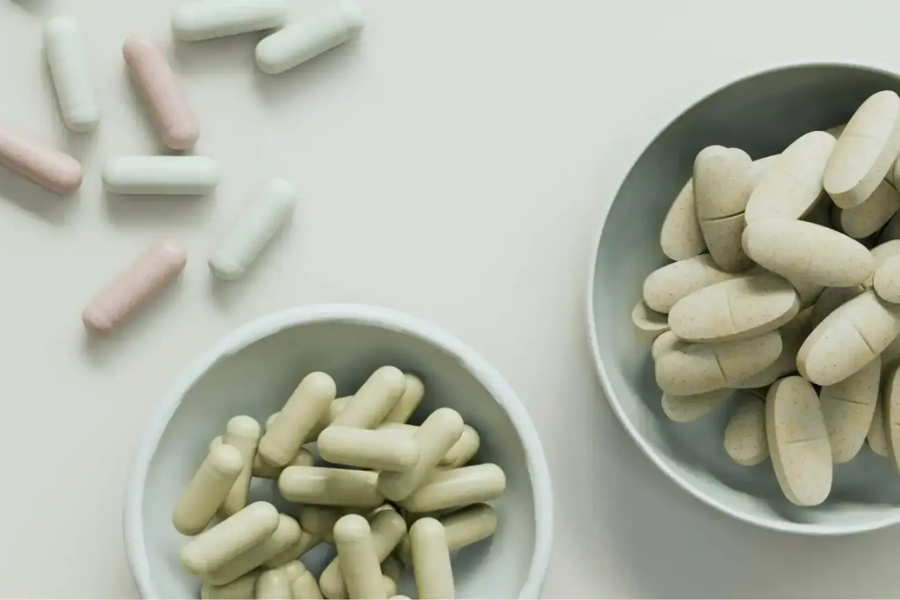
Nicotinamide mononucleotide, or NMN, is a molecule your body already makes on its own. It is built from vitamin B3 (nicotinamide) and plays a central role in how your cells create and use energy.
NMN matters because it is a direct building block for NAD+ (nicotinamide adenine dinucleotide). NAD+ is a coenzyme that every cell in your body needs for:
- Turning food into usable energy
- Repairing damaged DNA
- Supporting healthy mitochondria
- Regulating how your cells respond to stress
As you age, your natural NAD+ levels decline. That drop is linked with lower energy, slower metabolism, and a higher risk of age‑related conditions such as diabetes and neurodegenerative disease (PMC, PMC). NMN is one of the main precursors your body uses to rebuild NAD+, which is why it has become such a focus in longevity research.
Follow how NMN turns into NAD+
To understand how NMN works, it helps to zoom in on the basic pathway inside your cells.
From vitamin B3 to NMN
First, your body converts nicotinamide (a form of vitamin B3) into NMN. This step is controlled by a key enzyme called nicotinamide phosphoribosyltransferase, or NAMPT. You can think of NAMPT as a bottleneck in this process. It determines how much NMN you can produce at any given time (PMC, PMC).
NAMPT exists both inside your cells and outside them in your blood. The extracellular form is especially active and is released by tissues like fat, liver, and brain cells. That broader distribution helps support NAD+ production throughout your body (PMC).
From NMN to NAD+
Once NMN is available, another group of enzymes, called NMNATs (nicotinamide mononucleotide adenylyl transferases), convert NMN into NAD+ inside your cells (PMC). The more NMN that is present, the more NAD+ your cells can typically generate, at least up to a certain point.
This entire process is part of the NAD+ “salvage” pathway, which recycles raw materials rather than building NAD+ from scratch. That salvage pathway is the main source of NAD+ in most of your tissues (PMC).
See how NMN actually gets into your cells
A fair question you might have is: if you swallow an NMN capsule, how does any of it make it into your cells?
Research in animals and early human data suggest that NMN is absorbed efficiently in your gut and then enters cells through specialized mechanisms.
The role of the NMN transporter
Scientists have identified a transporter called Slc12a8 that sits in the cell membrane and moves NMN directly into certain cells, especially in the small intestine. This transporter allows NMN to cross the cell barrier without first being broken down, which is something NAD+ itself cannot easily do (PMC).
Once inside, NMN can be rapidly converted to NAD+. Some tissues may handle NMN slightly differently, sometimes converting it to a related molecule called nicotinamide riboside (NR) before it enters cells, yet the end result is the same: an increase in intracellular NAD+ (PMC).
This dedicated uptake mechanism is a big reason NMN is considered more promising than taking NAD+ directly. NAD+ lacks a straightforward entry route into cells, while NMN uses this specific transporter to boost NAD+ from the inside (Healthline).
How quickly your body handles NMN
In animal studies, NMN is absorbed quickly. After oral intake in mice, blood levels of NMN rise within minutes and it remains stable in solution for several days, which supports its potential as a practical nutraceutical (PMC). Human research is still growing, but early trials also show significant increases in NAD+ after oral NMN supplementation.
Learn what higher NAD+ actually does for you
Once NMN raises your NAD+ levels, what changes might you notice and what is happening beneath the surface?
Support for energy production and mitochondria
NAD+ is central to how your mitochondria produce ATP, the main energy currency in your cells. Higher NAD+ can help your cells run their metabolic processes more efficiently and maintain healthy mitochondrial function as you age (PMC).
In animal models, boosting NAD+ with NMN has improved insulin sensitivity, enhanced mitochondrial function, and supported healthier metabolic profiles (PMC). Although animals are not humans, these effects help explain why people are interested in NMN for metabolic health and energy.
Activation of longevity‑related enzymes
NAD+ also feeds a group of enzymes called sirtuins, particularly SIRT1, as well as PARPs and CD38. These enzymes are involved in:
- DNA repair
- Cellular stress resistance
- Inflammation control
- Stem cell function
When NAD+ levels drop with age, these protective systems slow down. By restoring NAD+ through NMN, you may help reactivate sirtuins and other NAD+ dependent enzymes, which could support healthier aging at the cellular level (PMC).
Researchers have proposed that NMN might help maintain mitochondrial and nuclear communication, activate AMPK/SIRT1/FOXO signaling, and trigger mild stress responses that ultimately strengthen your cells, a concept called mitohormesis (PMC).
Enhanced DNA repair and cell protection
NAD+ is required for PARP1, one of the main enzymes that senses and repairs DNA damage. In mouse models, NMN treatment raised hepatic NAD+ levels, boosted DNA repair after radiation, and helped maintain telomere length, which is part of how cells regulate their lifespan (PMC).
You will not feel DNA repair happening day to day, but over years this kind of cellular support may contribute to healthier tissues and slower functional decline.
In short, NMN works mainly by refilling NAD+ in your cells. Higher NAD+ then powers the enzymes and processes that keep your metabolism, mitochondria, and DNA repair systems running more like they did when you were younger.
Look at what human studies show so far
Most early NMN research was done in mice, but you can now look at several human trials to get a clearer sense of how NMN works for people like you.
Effects on NAD+ levels and physical performance
In a 60‑day randomized, double‑blind, placebo‑controlled trial in healthy middle‑aged adults, daily NMN supplementation at 300, 600, or 900 mg significantly increased blood NAD+ and NADH levels compared with placebo, especially at 600 and 900 mg (PMC). That means the supplement is not just passing through your system, it is actually raising your NAD+ pool.
The same study used a six‑minute walking test to check physical performance. Participants taking NMN walked farther at 30 and 60 days than those on placebo, with the greatest improvements again in the 600 and 900 mg groups (PMC). For you, that suggests NMN could translate into better endurance for daily activities, especially if you are middle‑aged or older.
Other human research has found that NMN in doses between 250 mg and 1,200 mg per day can increase NAD+ levels and may improve insulin sensitivity and aerobic capacity, although more studies are needed to confirm these benefits across larger populations (Healthline).
Impact on biological age markers
In the same 60‑day study, researchers also used a blood‑based biological age calculator (Aging.AI 3.0). People taking NMN maintained a stable biological age over the two months, while those on placebo showed a significant increase in biological age (PMC). This does not mean NMN is a magic anti‑aging pill, but it hints that higher NAD+ may help slow down some measurable age‑related changes in the short term.
Safety and tolerability
Safety is a crucial part of how NMN works in real life. In that same clinical trial, NMN up to 900 mg per day for 60 days was safe and well tolerated. There were no NMN‑related adverse events and no significant lab or physical exam abnormalities compared to placebo (PMC).
A broader look at human studies also suggests that NMN is generally safe at doses from 250 mg to 1,200 mg per day, though long‑term safety data are still limited and more research is ongoing (Healthline).
Compare NMN with other NAD+ boosters
If you have seen other NAD+ supporting supplements, you might wonder how NMN stacks up.
NAD+ itself does not cross cell membranes easily. It lacks a clear transporter, so taking it orally is unlikely to raise NAD+ levels inside your cells very efficiently (Healthline).
NMN has two main advantages:
- It is a direct precursor to NAD+, only one enzymatic step away.
- It has a dedicated transporter to help it enter cells and become NAD+ where it is needed (PMC).
Other precursors, like nicotinamide riboside (NR), also support NAD+, and your body can interconvert NR and NMN. At this point, NMN is especially attractive because of that identified transporter and the promising human data on NAD+ levels, physical performance, and potential aging markers.
Decide if NMN fits into your routine
Knowing how NMN works mechanistically is only useful if you can apply it to your everyday life.
If you are considering NMN, here are practical points to weigh:
- Your goals: You might be looking for more energy, healthier aging, or support for exercise performance. NMN targets your cellular energy system and NAD+ dependent repair processes, which align with those goals.
- Your health status: If you have chronic conditions or take prescription medications, you should talk with your healthcare provider before adding NMN, since human data, especially long‑term, are still emerging.
- Your expectations: NMN is not a substitute for sleep, movement, or nutrition. Think of it as a potential amplifier for your cells, not a replacement for core healthy habits.
Based on current evidence, NMN appears to:
- Increase NAD+ levels in your blood
- Support physical performance in middle‑aged adults
- Help maintain certain biological age markers over short periods
- Be well tolerated at doses commonly used in studies
At the same time, you still need more large, long‑term human trials before any claims about lifespan or disease prevention are solid.
If you choose to try NMN, a reasonable approach is to pair it with fundamentals that also support NAD+, such as regular exercise, a nutrient‑dense diet, and good sleep. That way you create an environment where NMN can work alongside your daily choices instead of trying to compensate for them.
By understanding how NMN works from the level of vitamin B3 all the way up to energy, resilience, and repair, you can make a more informed decision about whether it deserves a place in your supplement stack.
About The Author