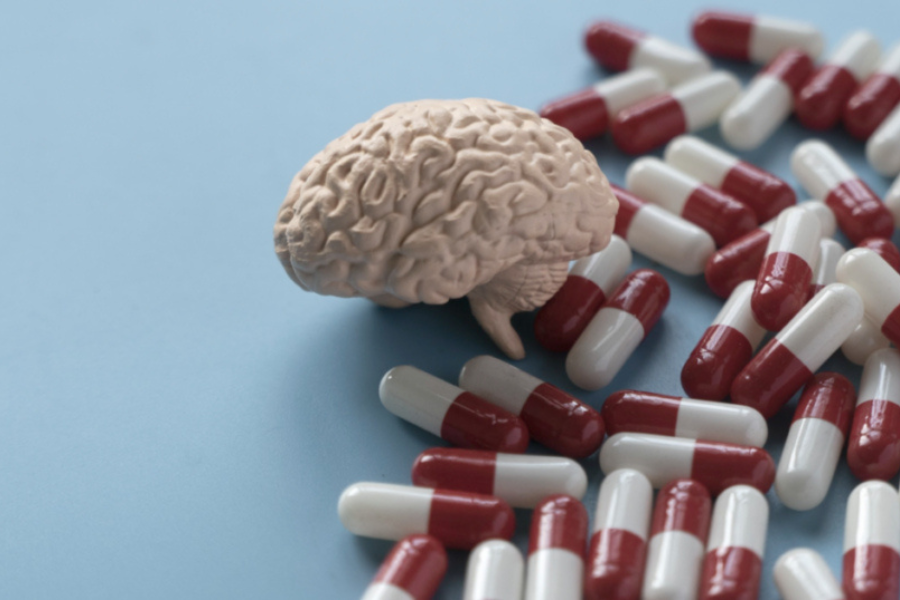
Why Natural Nootropics Supplements Could Boost Your Brainpower
Natural nootropics supplements are often marketed as a simple way to boost focus, memory, and mental clarity without turning to harsh stimulants. If you have ever wondered whether a plant based capsule or a scoop of powder could actually help your brain work better, you are not alone.
In this guide, you will learn what natural nootropics are, how they might support brain health, which ingredients are most researched, and what to keep in mind before you add any supplement to your routine.
Understand what natural nootropics are
Nootropics are substances that may enhance cognitive functions such as attention, memory, creativity, or motivation. When you look at natural nootropics supplements, you are usually looking at plant extracts, amino acids, or nutrients that have a long history of traditional use and a growing, although still limited, research base.
Most natural nootropics are available over the counter and are generally well tolerated when used for cognitive impairments, with a low incidence of mild side effects reported in studies (PMC). This makes them appealing if you want to support your brain without prescription medications.
It is important to know that the long term effects of these supplements in healthy people are still not fully understood as of recent reviews (PMC). In other words, the safety profile looks reassuring in the short term, but there are still unanswered questions about continuous use over many years.
Learn how plant based nootropics work
Natural nootropics usually do not work by a single simple mechanism. Plants contain many active compounds that may act on different pathways in your brain and body at the same time.
Researchers suggest that plant based nootropics can support cognitive function through several mechanisms (PMC (MDPI)):
- Improving blood flow to the brain, so more oxygen and nutrients reach your neurons.
- Providing antioxidant activity, which helps protect brain cells from oxidative stress.
- Modulating neurotransmitters such as acetylcholine, dopamine, serotonin, and GABA.
- Supporting neuronal protein synthesis and synaptic plasticity, both linked to learning and memory.
- Helping regulate your stress response and cortisol, which indirectly protects cognition.
Because these botanicals are complex mixtures, they often have lower toxicity and a reduced risk of overdose compared with some synthetic nootropics, although they may require higher dosages to have an effect and can be sensitive to storage conditions or product authenticity (PMC).
Explore key natural nootropic ingredients
You will see many ingredients on supplement labels, but a few stand out because they are backed by more consistent research.
Bacopa monnieri
Bacopa monnieri, also known as brahmi, is a classic Ayurvedic herb used for memory and learning. Its main active compounds, bacosides, appear to protect the brain from oxidative stress, modulate several neurotransmitters, increase blood flow, and strengthen the connections between neurons (The Nutrition Institute).
Human studies suggest that bacopa may speed up brain processes and support memory after 4 to 6 weeks of daily use (WebMD). It is generally well tolerated, although some people report mild digestive upset.
Ginkgo biloba
Ginkgo biloba is one of the most popular natural nootropics supplements worldwide. Standardized extracts such as EGb 761 contain flavonoids and ginkgolides that act as strong antioxidants and help scavenge free radicals in the brain (PMC (MDPI)).
Ginkgo appears to improve blood circulation to the brain, supplying more oxygen and nutrients, while also offering neuroprotective effects that support mental clarity (The Nutrition Institute). A 2023 review across 18 trials found that ginkgo may reduce age related decline and improve vocabulary when combined with dementia medication, although evidence for general brain function in healthy adults remains mixed (Healthline). The dose most often associated with cognitive benefit in mild dementia is around 240 mg daily for 24 weeks (Healthline).
Withania somnifera (ashwagandha)
Ashwagandha is another key herb from Ayurveda, often described as an adaptogen that helps your body respond to stress. Clinical trials using root extracts at daily doses around 225 to 400 mg have reported improvements in cognitive flexibility, memory, psychomotor speed, and stress response over 2 to 6 weeks (PMC (MDPI)).
You may also see benefits for anxiety and perceived stress, which in turn can make it easier to concentrate and think clearly during the day.
Centella asiatica (gotu kola)
Centella asiatica is traditionally used for mental fatigue and concentration. Animal studies have shown that gotu kola can increase antioxidant enzyme levels in the brain, reduce lipid peroxidation, and support learning and memory (PMC (MDPI)).
In a 2023 placebo controlled trial in elderly volunteers, gotu kola extract was associated with enhanced working memory (PMC (MDPI)). If you are interested in long term brain health and healthy aging, this herb is one to watch.
Eleutherococcus senticosus (Siberian ginseng)
Siberian ginseng is technically not the same as Asian ginseng, but it has similar adaptogenic properties. Extracts contain saponins like eleutheroside M that can cross the blood brain barrier and promote neuronal dendritic growth and memory improvements in animal models (PMC (MDPI)).
Human trials suggest that 300 mg per day over 8 to 12 weeks may support mental health and cognitive function (PMC (MDPI)). You might see it included in formulas designed for mental stamina and resilience.
Panax ginseng
Panax ginseng is one of the best known herbal nootropics. Its ginsenosides, especially Rb1 and Rg1, have been shown in animal models to enhance antioxidant enzyme activity, improve memory and synaptic plasticity, and reduce Alzheimer like symptoms (PMC).
While human data are still emerging, you may notice improved energy, focus, and mood, especially if you feel mentally fatigued.
Consider nutrient based brain boosters
Not all natural nootropics are herbs. Some are nutrients or amino acids that your brain already uses every day.
Fish oil and omega 3 fatty acids
If you rarely eat fatty fish, a fish oil supplement can be a simple way to support brain health. Fish oil is rich in omega 3 fats such as DHA and EPA, and DHA alone accounts for around 40 percent of the brain’s omega 3 content. A 2022 systematic review linked higher omega 3 intake with improved thinking skills in adults with an average age of 45 (Healthline).
You may not feel a dramatic overnight shift, but over time better omega 3 status can support mood, memory, and overall brain function.
Creatine monohydrate
You might associate creatine with athletes and muscle building, but your brain also uses creatine for quick energy. Supplementing with creatine monohydrate has been shown to improve memory and processing speed, particularly in vegetarians, according to a 2020 review, although the authors noted some bias and the need for more research (Healthline).
By increasing cellular ATP levels, creatine may help your brain cope better with demanding mental tasks, especially if your dietary intake is low (WebMD).
L theanine and caffeine
L theanine is an amino acid found naturally in green tea. On its own, it promotes a state of relaxed alertness. When combined with caffeine, it can enhance mental effects while smoothing out jitters and edginess (WebMD).
The combination appears to boost alpha brain waves, balance stress hormones, and support better multitasking and focus (The Nutrition Institute). A simple cup of quality green tea can be a gentle, natural nootropic for everyday use.
CDP choline
CDP choline is a form of choline that your body uses to produce phospholipids and acetylcholine, a key neurotransmitter for memory and attention. It is sometimes prescribed in Europe to support people with vascular dementia, and research suggests it can help memory in that group (WebMD).
For you, CDP choline may be useful if your diet is low in choline rich foods or if you are composing a stack aimed at memory support.
Weigh the potential benefits and limitations
Natural nootropics supplements can sound very promising, but it helps to look at the full picture before you decide what to take.
Many of the herbs and nutrients discussed show positive effects in people who have existing cognitive impairments, mental health conditions, or nutrient deficiencies (Healthline). In these situations, even moderate improvements in memory, attention, or mood can be meaningful.
In healthy people with balanced diets, the effects may be more modest. Some clinical trials in healthy volunteers do show benefits, such as better working memory with gotu kola or improved cognitive flexibility with ashwagandha (PMC (MDPI)). However, results are not always consistent, and study designs differ, which makes it hard to promise a specific effect.
Usage among healthy individuals like university students is common and often focused on temporary performance boosts, but experts still consider this controversial because there is limited long term safety and efficacy data for this group (PMC).
Natural nootropics are best viewed as one part of a brain friendly lifestyle that also includes sleep, nutrition, movement, and stress management, not as a substitute for them.
Use natural nootropics safely and smartly
If you decide to try natural nootropics supplements, a thoughtful approach will help you get more from them while reducing risk.
Start by choosing products from reputable brands that disclose standardized extracts and active compound levels. This matters because factors like harvest timing, drying temperature, and extraction method affect how many active constituents you actually get (PMC).
Then, introduce one supplement at a time at the recommended dosage, and track how you feel over at least 4 to 6 weeks. Many botanicals, especially bacopa, work gradually and require consistent use before you notice clear effects (WebMD).
Pay close attention to:
- Changes in focus, memory, or mental stamina.
- Shifts in mood, stress, or sleep quality.
- Any side effects, even mild ones such as digestive upset or headaches.
Natural nootropics can interact with medications or underlying conditions, so it is wise to check in with your health care provider before starting, especially if you take blood thinners, blood pressure medications, thyroid drugs, or have kidney issues in the case of creatine (WebMD).
Decide if natural nootropics fit your goals
Natural nootropics supplements could support your brainpower in several ways, from sharper focus during the workday to better resilience under stress and long term cognitive health. The research is encouraging for some ingredients, particularly in people who already have cognitive challenges or nutrient gaps, and generally shows a low rate of mild side effects (PMC).
At the same time, these products are not magic pills. Evidence in healthy adults is still developing, and lifestyle basics remain the foundation of clear thinking and good memory.
If you are curious, a practical next step is to pick one well researched option that matches your main goal, such as bacopa for memory, ashwagandha for stress related brain fog, or fish oil for overall brain health, and test it slowly and intentionally. That way, you can see firsthand whether natural nootropics make a meaningful difference for you.
About The Author