Boost Your Energy with These Effective Testosterone Supplements
A lot of people turn to testosterone booster supplements when they feel tired, sluggish, or not quite like themselves. Before you add any pill to your daily routine, it helps to understand how these products work, what the science actually says, and when you might need medical treatment instead of a supplement.
This guide walks you through the potential benefits, real risks, and safer alternatives so you can make an informed choice.
What testosterone does in your body
Testosterone is the main sex hormone in men and an important hormone for women too. It helps support:
- Muscle mass and strength
- Bone density
- Sex drive and sexual function
- Mood and energy
- Fertility and sperm production
Your natural testosterone levels usually peak in early adulthood and then slowly decline, often starting around age 30. Chronic health conditions and certain medications can also lower levels beyond the usual age related decline (GoodRx).
A gradual drop is normal and does not always need treatment. When levels fall more than expected and you develop symptoms like low energy, reduced muscle mass, or decreased sex drive, a doctor may check you for low testosterone.
Testosterone booster supplements vs medical therapy
It is important to understand the difference between over the counter testosterone booster supplements and prescription testosterone therapy.
Over the counter boosters
These are products you can buy online or in stores that are marketed as “testosterone boosters” or “T boosters.” They often contain blends of:
- Vitamins and minerals such as zinc, magnesium, vitamin D, vitamin B6, and vitamin B12
- Herbal ingredients such as fenugreek, Tribulus, ashwagandha, and Eurycoma longifolia
- Other compounds such as DHEA or boron
A 2020 study looked at 50 testosterone booster supplements sold online. Ninety percent claimed to boost testosterone, 50 percent claimed to improve libido, and 48 percent claimed to increase strength. Out of 109 identified ingredients, only 24.8 percent had any scientific evidence that they might increase testosterone. Some ingredients, about 10.1 percent, were actually linked with lower testosterone and 61.5 percent had no data on their effect at all (PMC).
Many of these products also contained doses of vitamins and minerals far above recommended daily amounts. Median values included 1,291 percent of the recommended daily allowance (RDA) for vitamin B12, 807.6 percent for vitamin B6, and 272 percent for zinc. Some even exceeded the upper tolerable intake levels set by the FDA for nutrients like zinc, vitamin B3, and magnesium (PMC). Large excesses can be harmful rather than helpful.
Prescription testosterone therapy
Testosterone therapy is a medical treatment for people who have been diagnosed with low testosterone due to a true medical condition, commonly hypogonadism. In this condition, the testicles or pituitary gland do not produce normal hormone levels (Mayo Clinic).
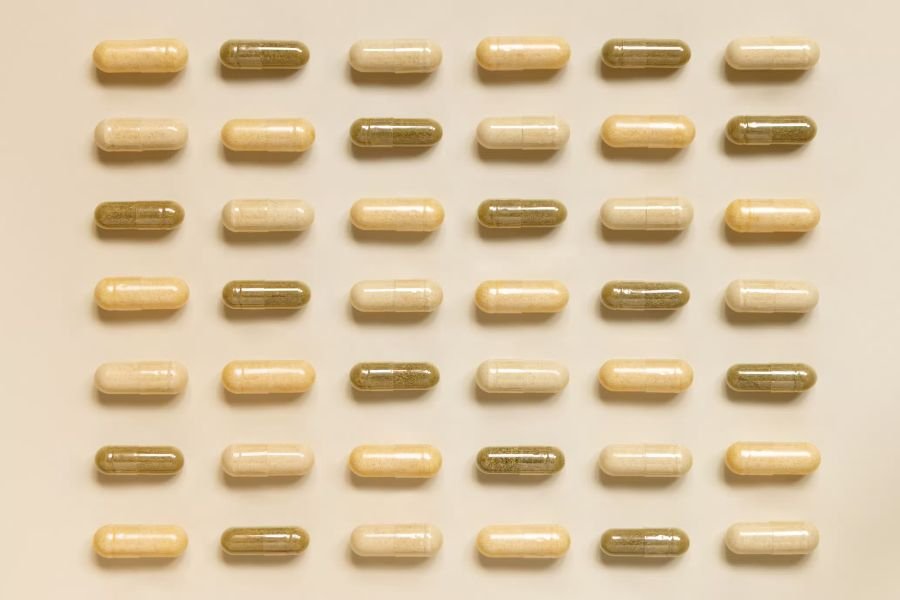
You can receive prescription testosterone through gels, patches, injections, or oral medications such as testosterone capsules. These capsules are androgen hormones taken by mouth to raise testosterone levels, and common brand names include JATENZO, KYZATREX, and Undecatrex. You usually take them with food at the same time every day, exactly as your provider directs (Cleveland Clinic).
Medical guidelines recommend that a diagnosis of low testosterone be confirmed with at least two separate blood tests before you start therapy (Mayo Clinic).
Do testosterone booster supplements really work?
Some individual nutrients and herbs may help support healthy testosterone levels in specific situations, but they are not magic fixes.
Nutrients with some evidence
Research suggests a few nutrients can play a role in testosterone production, particularly if you are deficient:
- Zinc supports testosterone metabolism, male fertility, and thyroid function. Adults generally need 8 to 11 mg per day, and long term intake above 40 mg daily can cause side effects (GoodRx).
- Vitamin D seems to influence testosterone in some people. In one yearlong study, men who took 3,300 IU of vitamin D daily increased their testosterone levels by about 20 percent compared with men who did not supplement (WebMD).
- Ashwagandha is an adaptogenic herb that may raise testosterone and improve sexual well being in men. One study using 300 mg twice daily for 8 weeks showed benefits, possibly because it helps reduce stress. Safety beyond three months is less clear (GoodRx).
Other ingredients that often appear in booster formulas, such as DHEA, magnesium, boron, and fenugreek, have mixed or limited evidence. Results vary widely from one study to another (WebMD).
Why many blends fall short
That same 2020 analysis of online boosters found that almost one in five ingredients showed no effect on testosterone levels, and some had evidence of negative effects (PMC). Another review of the supplement market in Australia found that more than 5 percent of 112 tested products, including bodybuilding and weight loss supplements, contained undeclared androgenic steroids. These undeclared steroids carry serious risks such as cardiovascular disease, liver damage, and infertility (Healthy Male).
Because the supplement market is loosely regulated, especially for products purchased online from overseas, you cannot always be sure what you are getting. The Therapeutic Goods Administration in Australia has tightened rules for sports supplements that claim to affect hormone levels, but products sold from other countries can escape these regulations (Healthy Male).
In short, some specific nutrients and herbs may help if you have a deficiency or a particular health situation. However, many multi ingredient testosterone booster supplements overpromise benefits, underdeliver on results, and sometimes create new risks.
Risks and side effects you should know about
Even though testosterone booster supplements are often marketed as natural, they are not risk free. Different products, doses, and combinations can affect your body in unpredictable ways.
Potential liver and blood risks
A case report from Saudi Arabia described a 30 year old athlete who took a commercial booster called “Universal Nutrition Animal Stak” for 42 days. He developed abdominal pain and significantly elevated liver enzymes, a sign of liver injury. His liver tests were normal before he began using the product. Over time, liver enzyme levels gradually returned toward normal, but the episode showed that even boosters from trusted brands can disrupt liver function in some people (PMC).
The authors noted that the severity of liver injury from boosters can vary widely between individuals. Symptoms usually improve when you stop the supplement and receive appropriate medical care, but more research with larger groups is needed to understand the full risk (PMC).
Some booster ingredients have also been linked to blood clots. A 2017 report associated a fenugreek containing supplement with pulmonary embolism, and the FDA has issued warnings about increased risk of venous blood clots with testosterone products in general (PMC).
Overdosing on vitamins and minerals
Because many boosters pack high doses of vitamins and minerals, you may unintentionally go far beyond safe intake levels. For example, that 2020 study found that some products exceeded FDA upper tolerable limits for zinc, vitamin B3, and magnesium (PMC).
Consistently high doses can contribute to side effects such as:
- Nausea or gastrointestinal upset
- Nerve problems with excessive vitamin B6
- Lowered immune function with excess zinc over time
You might also double up unknowingly if you take a booster plus a multivitamin.
Prescription testosterone capsule risks
If your provider prescribes testosterone capsules instead of or in addition to supplements, you should also understand their risks. Testosterone capsules belong to a class of drugs called androgen hormones. Users typically need regular blood tests to monitor testosterone levels and overall safety. These medications can increase the risk of heart attacks and strokes, so you should seek emergency care if you notice chest pain, shortness of breath, weakness on one side of your body, or trouble speaking (Cleveland Clinic).
Testosterone capsules may also affect blood sugar levels. If you have diabetes, do not change your diet or medication on your own while taking them. Work closely with your healthcare provider to adjust treatment if needed (Cleveland Clinic).
These medications are banned by most athletic organizations, which highlights how seriously they are regulated and monitored among athletes (Cleveland Clinic).
When testosterone therapy makes sense, and when it does not
If you have symptoms that make you suspect low testosterone, medical evaluation should be your first step. Testing and diagnosis help you avoid unnecessary or risky supplements.
Appropriate use of testosterone therapy
Testosterone therapy can help relieve symptoms of low testosterone caused by medical conditions like hypogonadism. In these cases, treatment may improve energy levels, sexual function, bone density, and overall quality of life (Mayo Clinic).
However, guidelines note that there is little evidence that testosterone therapy benefits otherwise healthy older men with only age related decline. The American College of Physicians found limited improvements outside of some sexual function changes. Benefits for vitality, energy, and physical function were minimal for this group (Mayo Clinic).
Important safety considerations
Testosterone therapy itself carries possible risks, including a potential increase in heart disease risk, although researchers are still studying the cardiovascular effects. Because of these concerns, experts recommend a careful discussion with your provider about your personal risks and benefits before you start therapy (Mayo Clinic).
For normal age related declines without an underlying condition, Mayo Clinic recommends focusing on natural methods such as weight loss and resistance exercise instead of jumping straight into hormone therapy (Mayo Clinic).
Testosterone replacement therapy (TRT) is currently the only FDA approved treatment for medically low testosterone that is not simply due to aging, and it should always be supervised by a healthcare professional (GoodRx).
Natural ways to support healthy testosterone and energy
Whether you use testosterone booster supplements or not, your daily habits play a major role in how you feel. Lifestyle changes are often safer and more effective long term than relying on a pill alone.
Move your body in smart ways
Strength training and high intensity interval training (HIIT) are two exercise styles that may help support healthy testosterone levels. Lifting weights helps preserve and build muscle, which can, in turn, support hormone balance. HIIT can boost cardiovascular fitness without long, drawn out workouts.
Regular physical activity also improves mood, sleep quality, and metabolism, all of which influence your energy levels day to day (WebMD).
Reach and maintain a healthy weight
Obesity and low testosterone are closely linked. People who are obese are about four times more likely to benefit from testosterone replacement therapy, and larger waist size is strongly associated with low testosterone. In fact, a 4 inch increase in waist circumference can raise your chances of low testosterone by up to 75 percent (WebMD).
Losing excess weight through a combination of diet changes and exercise can naturally improve hormone levels and energy without the risks that come with high dose supplements or unnecessary hormones.
Focus on nutrient dense foods
You can support healthy testosterone by building meals around whole foods that supply key nutrients, including:
- Lean proteins such as fish, poultry, eggs, legumes, and tofu
- Healthy fats from olive oil, nuts, seeds, and avocados
- Zinc rich foods like shellfish, beef in moderation, beans, and fortified cereals
- Magnesium sources such as leafy greens, whole grains, and pumpkin seeds
- Vitamin D from fortified dairy products, eggs, and limited sun exposure
These foods not only provide building blocks for hormones, they also keep your blood sugar steady and help you maintain a healthy weight (WebMD).
Protect your sleep and manage stress
Poor sleep can reduce testosterone, and high stress tends to lower your sex hormones while increasing cortisol. Aim for 7 to 9 hours of quality sleep per night, set a consistent bedtime, and build a wind down routine that helps you switch off.
Stress reduction practices such as deep breathing, walking, yoga, or meditation can also support your hormone balance and energy over time. Some of the potential benefits of ashwagandha may come from its ability to lower stress, which then improves testosterone and sexual well being (GoodRx).
How to decide whether a testosterone booster is right for you
With all of this information, it helps to have a simple way to think through your next steps:
- Check your symptoms and habits first. Low energy, low libido, and mood changes can have many causes, from stress to sleep issues to thyroid problems. Review your lifestyle and see where you can make realistic improvements.
- Talk with a healthcare professional before starting any booster. Because testosterone supplements can interact with health conditions and medications, you should always get personalized advice first (GoodRx).
- If low testosterone is suspected, get properly tested. Ask for at least two separate morning blood tests to confirm a diagnosis, which follows current recommendations (Mayo Clinic).
- Weigh supplements carefully. If you and your provider decide to try a specific nutrient, stick to doses close to the recommended daily allowance rather than very high doses from multi ingredient boosters.
- Use prescription therapy only when medically indicated. Testosterone therapy, including capsules, should be reserved for clear cases of low testosterone caused by medical conditions, and you will need ongoing monitoring for safety.
By pairing a thoughtful approach to supplements with strong lifestyle foundations, you give yourself the best chance of feeling more energetic and well, without taking unnecessary risks with your health.
About The Author