Unlock Powerful Benefits with This Paleo Diet Meal Plan
A well planned paleo diet meal plan can do more than trim your waistline. By focusing on whole, unprocessed foods, you support steadier energy, fewer cravings, and potentially better long term health too. The key is turning the big idea of “eat like a hunter gatherer” into simple, realistic meals you can actually stick with.
Below, you will see exactly what to eat on a paleo diet, what to skip, and how to turn this into a practical 7 day plan that fits a busy schedule.
Understand the basics of a paleo diet
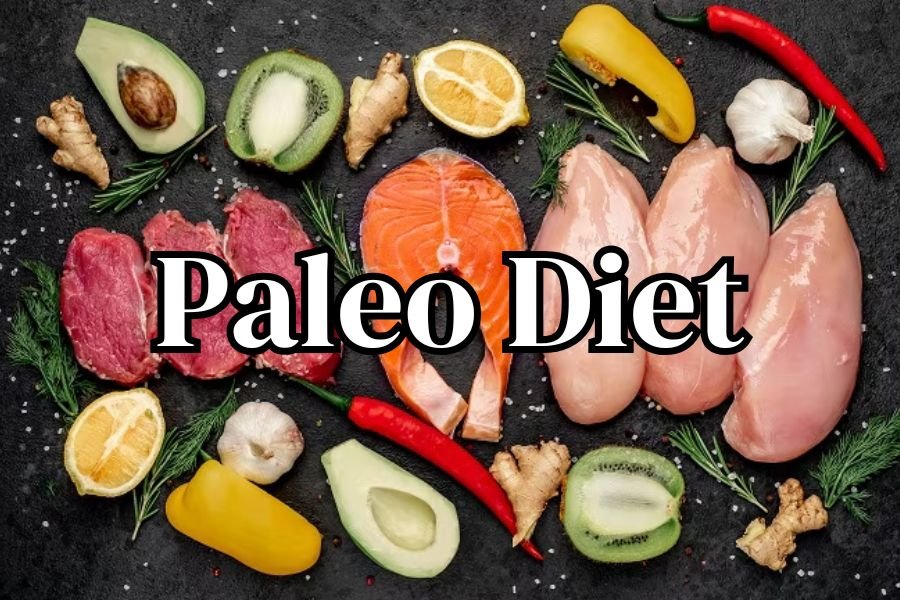
The paleo diet is built around foods your distant ancestors might have eaten, such as meat, seafood, eggs, vegetables, fruits, nuts, seeds, and healthy fats. You avoid anything highly processed or created by modern agriculture, such as refined sugar, bread, and most packaged snacks (Healthline).
In simple terms, if it looks like it came out of a factory, you leave it on the shelf. If it looks close to how it appears in nature, you make it the star of your plate.
Short term research suggests that this way of eating can help with weight management and may improve some markers of heart health, likely because you rely on whole foods and cut down on ultra processed options (Mayo Clinic). The long term effects are less clear, so it makes sense to approach paleo as a flexible, nutrient aware style of eating instead of a rigid rulebook.
Know what to eat and what to avoid
Before you build a paleo diet meal plan, it helps to have a clear picture of what belongs in your cart and what does not.
Paleo friendly foods to enjoy
On a paleo diet, you base your meals around whole, unprocessed foods such as (Healthline, EatingWell):
- Meat and poultry, ideally lean cuts, with some people choosing grass fed when possible
- Fish and seafood, with a focus on wild caught options rich in omega 3 fats
- Eggs
- Vegetables of all kinds, including starchy options like potatoes in moderation
- Fruits, especially whole fruits rather than juice
- Nuts and seeds
- Healthy fats and oils such as olive, avocado, coconut, walnut, and macadamia oils
- Herbs and spices for flavor
These foods tend to keep you full, support stable blood sugar, and deliver a mix of vitamins, minerals, and fiber.
Foods to limit or skip on paleo
The paleo diet typically excludes several modern staples. You avoid or strictly limit (Healthline, Ideal Nutrition Now):
- Grains such as wheat, barley, oats, rice, and corn
- Legumes, including beans, lentils, peas, soy, and peanuts
- Dairy products like milk, yogurt, and cheese
- Refined sugar and sweetened beverages
- Most processed foods, especially those with long ingredient lists
- Refined vegetable oils and trans fats
- Beer and heavily sweetened alcohol
These rules can feel strict at first. Remember that some modern versions of paleo are more flexible and may include small amounts of grass fed butter or even gluten free grains like rice based on personal preference (Healthline).
If completely removing grains, legumes, and dairy feels overwhelming, you can still use paleo principles by simply centering your plate on whole foods and gradually dialing back processed items.
Weigh the benefits and potential downsides
Understanding both the upsides and possible drawbacks of a paleo diet helps you decide if this approach fits your goals.
How a paleo diet may support weight loss and health
When you follow a paleo diet meal plan, you naturally cut many calorie dense, nutrient poor foods such as pastries, chips, and sugary drinks. This often leads to lower overall calorie intake without counting every bite. Some studies suggest that paleo eating can improve weight and waist measurements and may benefit blood pressure and cholesterol in the short term (Mayo Clinic).
You also tend to eat more vegetables, fruits, and lean proteins. This combination can support steady energy, fewer blood sugar crashes, and better appetite control.
Nutrient gaps to watch for
There are some important cautions. By excluding whole grains, legumes, and low fat dairy, you may miss out on fiber, calcium, vitamin D, and some plant based proteins if you are not intentional about your choices (Mayo Clinic, Kevin’s Natural Foods). A very meat heavy version of paleo can also increase saturated fat intake, which may not be ideal for heart health over time (Kevin’s Natural Foods).
Rapidly increasing your intake of vegetables and other high fiber foods can cause bloating and digestive changes for a while too (Healthline). If you decide to try paleo, increasing fiber gradually, drinking enough water, and choosing a variety of produce can help.
Because long term research is limited, it is wise to talk with your health care provider or a registered dietitian, especially if you have existing health conditions.
Build a realistic 7 day paleo diet meal plan
A good paleo diet meal plan should feel practical, not like a full time job. Planning once for the week means you make fewer food decisions on the fly and have paleo friendly options ready to go.
Here is a simple 7 day structure you can adapt. You can repeat favorite meals or swap similar ingredients to keep things flexible.
Use this as a template, not a rigid rulebook. The best meal plan is the one you can follow most of the time without feeling deprived.
Breakfast ideas
Aim for a balance of protein, healthy fat, and fiber so you feel full through the morning. For example:
- Scrambled eggs with spinach and tomatoes, plus a side of berries
- Veggie omelet with mushrooms, onions, and peppers cooked in olive oil
- Breakfast bowl with leftover roasted sweet potato, sautéed greens, and fried eggs
- Chia seed pudding made with unsweetened almond milk and topped with sliced fruit and nuts
The Whole Foods 7 Day Paleo Friendly Meal Plan includes options like Turmeric Spiced Shakshuka with Delicata Squash for breakfast, which combines eggs with vegetables and spices for a filling, flavorful start (Whole Foods Market).
Lunch and dinner ideas
Think of your plate in three parts: half non starchy vegetables, one quarter protein, one quarter starchy vegetables or fruit, plus a drizzle of healthy fat.
Here are some options inspired by sample paleo menus (Healthline, EatingWell, Whole Foods Market):
- Grilled chicken over a big salad with mixed greens, cucumbers, tomatoes, avocado, and olive oil dressing
- Baked salmon with roasted Brussels sprouts and a small baked potato
- Paleo chicken and veggie bowl with cauliflower “rice” and a citrusy dressing
- Halibut fillet with citrus salsa, served with asparagus
- Spaghetti squash with shrimp, garlic, olive oil, and a side of sautéed zucchini
- Beef or turkey lettuce wraps with shredded carrots, cabbage, and a simple sauce
Leftovers are your friend. Cooking a double batch of dinner and packing the extra for lunch reduces your prep time and keeps you on track.
Snacks and simple desserts
Having quick, paleo approved snacks nearby makes it easier to walk past the vending machine. You might reach for:
- Fresh fruit such as apples, berries, or grapes
- A small handful of nuts or seeds
- Hard boiled eggs
- Baby carrots or bell pepper strips with guacamole
- Seaweed snacks roasted in olive oil
- Dried fruit in modest portions
Sample paleo plans often include snacks like dried mango slices, chicken bars, and paleo friendly granolas for convenience (Whole Foods Market). For dessert, dark chocolate in small amounts or a simple sweet potato chocolate mousse made with cocoa and a little natural sweetener are popular paleo inspired treats (Whole Foods Market).
What to drink
Water is your main drink on a paleo diet. You can also enjoy tea and coffee without loads of added sugar, and some plans allow small amounts of red wine and dark chocolate as occasional indulgences (Healthline).
If you are used to sugary drinks, switching gradually to sparkling water with fruit slices can make the transition smoother.
Use smart shortcuts so paleo fits your life
You are more likely to see the benefits of a paleo diet meal plan when it feels doable week after week. A few practical habits can make a big difference.
Prep once, benefit all week
Setting aside an hour or two for basic prep can make your weekdays much easier. You might:
- Roast a tray of mixed vegetables and a tray of potatoes or sweet potatoes
- Grill or bake a batch of chicken thighs or breasts
- Hard boil a half dozen eggs
- Wash and chop salad greens and crunchy vegetables
- Mix a jar of simple dressing with olive oil, lemon, and herbs
The Whole Foods 7 Day Paleo Friendly plan emphasizes prepping ahead and using ready to eat options like rotisserie chicken or prepared salads to reduce cooking time and friction (Whole Foods Market). You can borrow this approach to keep your own plan realistic.
Keep easy paleo swaps in mind
You do not have to give up your favorite types of meals, you often just need to swap a few ingredients. For example (Ideal Nutrition Now):
- Use lettuce leaves instead of tortillas or burger buns
- Try spiralized zucchini “zoodles” instead of regular pasta
- Replace beans in chili with extra vegetables and meat
- Use almond or coconut milk instead of dairy
- Try seeds like quinoa or buckwheat if you follow a more flexible, modified paleo style
These small changes let you enjoy familiar flavors while staying close to paleo principles.
Decide if a paleo meal plan is right for you
A paleo diet meal plan can be a useful tool for weight loss and better health if you like whole foods, enjoy cooking simple meals, and feel good when you skip most processed products. It can be more challenging if you love bread, rely heavily on dairy or legumes, or have a very limited grocery budget, since certain paleo foods can be costly (Mayo Clinic).
If you want to try paleo without going all in, you could:
- Start by making breakfast and snacks fully paleo for two weeks
- Fill half your plate with vegetables at every meal
- Cut sugary drinks and most packaged sweets first
- Slowly reduce grains and legumes while watching how your body responds
You can also compare paleo with other patterns like the Mediterranean diet, which includes whole grains and legumes and has stronger long term research behind it, yet offers similar benefits for heart health (Mayo Clinic).
If your main goals are weight loss and better overall health, focusing on more whole foods, fewer ultra processed items, and a meal plan you genuinely like will matter most. Paleo is one way to get there. You can use the ideas in this guide to build a plan that suits your taste, lifestyle, and health needs, then adjust as you learn what feels best for you.
About The Author


