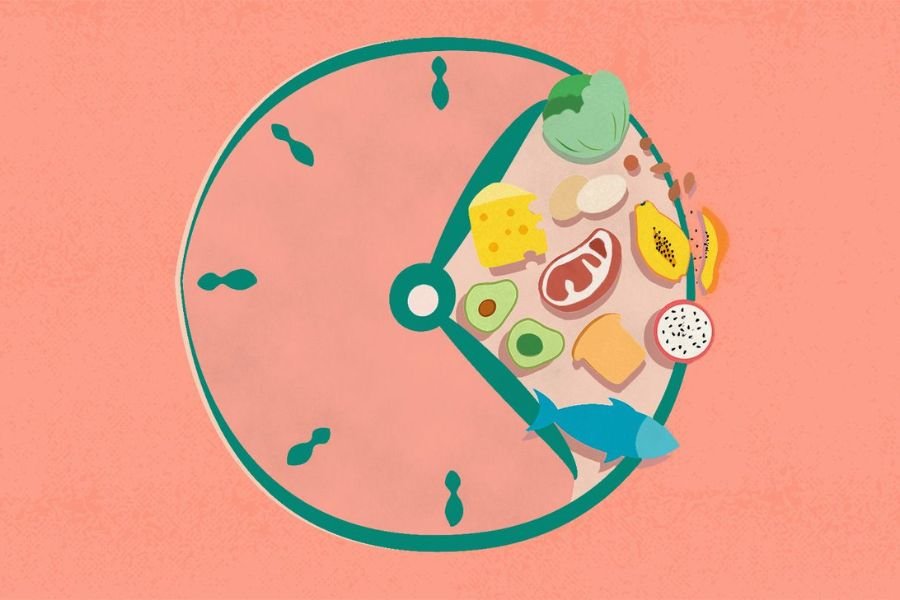
Easy Intermittent Fasting Benefits That Improve Your Wellness
Intermittent fasting benefits go far beyond the number on the scale. While weight loss is often what draws you in, the real power of this way of eating is how it can support your energy, mood, and long‑term health when you use it thoughtfully.
Below, you will find what actually happens inside your body when you fast, how those changes can help you feel better day to day, and simple ways to decide if intermittent fasting fits your life.
Understand what intermittent fasting is
Intermittent fasting is not a specific list of foods. It is a pattern that cycles between eating and fasting on a regular schedule.
Common approaches include:
- 16:8 time‑restricted eating, where you fast for 16 hours and eat within an 8‑hour window each day
- A 6‑hour eating window with 18 hours of fasting
- The 5:2 method, where you eat normally 5 days a week and limit calories on 2 non‑consecutive days
Researchers at Johns Hopkins describe intermittent fasting as a way to trigger a “metabolic switch.” After several hours without food, your body shifts from burning stored sugar to burning fat for energy instead (Johns Hopkins Medicine).
That switch is at the root of many intermittent fasting benefits, from easier fat loss to better blood sugar control.
Support steady weight loss without constant tracking
If you are tired of weighing every bite, intermittent fasting can feel refreshingly simple. You focus on when you eat rather than counting every calorie.
How fasting helps you lose weight
Once you go 10 to 12 hours without eating, your body runs out of easy sugar fuel and starts tapping into stored fat instead (Mass General Brigham). That shift makes it easier for you to burn fat throughout the day, even when you are not working out.
Several reviews and clinical trials have found that intermittent fasting can:
- Reduce body weight by about 4 to 10 percent over several weeks in people who are overweight
- Produce weight loss results similar to daily calorie restriction, but with a different structure (Nutrients, Journal of Yeungnam Medical Science)
In one trial, alternate‑day fasting led to an average of about 0.75 kilograms (1.6 pounds) of weight loss per week, compared with about 0.25 kilograms (0.55 pounds) per week with a 5:2 approach (Journal of Yeungnam Medical Science).
Why it can feel easier than classic dieting
A major advantage is simplicity. A Mass General Brigham dietitian notes that intermittent fasting does not require food logs or complex rules, which makes it easier to weave into everyday life (Mass General Brigham).
You naturally tend to eat fewer calories because:
- You have fewer hours available to snack
- Hunger hormones may decrease over time
- You become more intentional about what fits into your eating window
Harvard researchers have found that daily intermittent fasting can help people eat roughly 250 fewer calories a day, about half a pound of weight loss per week, mostly by helping appetite and blood sugar stay more stable (Harvard T.H. Chan School of Public Health).
Improve blood sugar, insulin, and metabolic health
If you are concerned about prediabetes, type 2 diabetes, or stubborn midsection weight, better insulin sensitivity is one of the most meaningful intermittent fasting benefits.
What happens to your insulin when you fast
Every time you eat, insulin helps move sugar from your blood into your cells. When you eat all day and into the evening, your insulin stays elevated more often. Over time, your body may respond less effectively, which is called insulin resistance.
Intermittent fasting gives your body long breaks with low insulin. Studies show that it can:
- Lower fasting insulin levels
- Improve insulin sensitivity
- Help your body manage blood sugar more efficiently
In a trial of people with type 2 diabetes, a 12‑month intermittent fasting plan reduced body weight, fasting glucose, insulin levels, and HbA1c, and the insulin‑lowering effect was greater than with calorie restriction alone (Journal of Yeungnam Medical Science).
A short 5‑week study in men with prediabetes found that an early 6‑hour eating window, finishing by midafternoon, improved insulin sensitivity and beta‑cell function and lowered insulin levels, even though overall calories stayed the same (Nutrients).
Why earlier eating windows may work best
Your metabolism follows a daily rhythm. Research suggests that eating earlier in the day, and closing your kitchen by around 6 p.m., can lead to better improvements in:
- Blood sugar
- Blood pressure
- Markers of aging
Harvard experts note that sticking to an 8‑hour or shorter eating window, especially earlier in the day, at least five days per week is enough to see meaningful changes in blood sugar and blood pressure (Harvard T.H. Chan School of Public Health).
Protect your heart and lower inflammation
Your heart and blood vessels benefit from more than just the number on the scale. Intermittent fasting appears to support several key cardiovascular risk factors at once.
Heart‑friendly changes you may see
Reviews of clinical trials report that intermittent fasting can help:
- Lower total cholesterol and LDL cholesterol
- Reduce triglycerides
- Decrease systolic blood pressure
- Sometimes increase HDL, the “good” cholesterol
These shifts have been observed in both obese and non‑obese people and contribute to better overall heart health (Journal of Yeungnam Medical Science, Nutrients).
Intermittent fasting may also:
- Increase fatty acid oxidation, so your body burns more fat instead of storing it
- Reduce very low‑density lipoproteins that carry triglycerides
- Activate the parasympathetic nervous system, which can lower blood pressure
Inflammation and long‑term disease risk
Chronic low‑grade inflammation is tied to heart disease, type 2 diabetes, and other metabolic problems. Intermittent fasting has been shown to decrease key inflammatory markers like interleukin‑6, tumor necrosis factor‑alpha, and C‑reactive protein (Journal of Yeungnam Medical Science).
Mass General Brigham experts note that fasting may stimulate autophagy, your body’s built‑in cleanup system that removes damaged cells and reduces inflammation, which could support better comfort and energy over time (Mass General Brigham).
Researchers also link intermittent fasting to protection against several chronic conditions, including type 2 diabetes, heart disease, some cancers, inflammatory bowel disease, and age‑related brain disorders (Johns Hopkins Medicine).
Boost mental clarity, mood, and emotional balance
You might start intermittent fasting for your waistline and stay with it for your mind. Emerging research is beginning to connect fasting with emotional well‑being and brain health.
Anxiety and emotional health
A 2024 longitudinal study followed 25 healthy adults on an 18‑hour daily time‑restricted eating plan for 50 days. Participants experienced:
- Significant reductions in anxiety scores
- Improvements that lasted for at least two months after the fasting period ended
At the brain level, functional MRI scans showed changes in connectivity in regions involved in emotional regulation, although the exact pathways are still being studied (Alpha Psychiatry).
Researchers consider this kind of time‑restricted eating a promising, low‑cost, non‑drug option that may help with anxiety and related emotional issues, but they also stress that larger trials are needed.
Why your brain may feel sharper
Several lines of evidence suggest that intermittent fasting may:
- Increase brain‑derived neurotrophic factor (BDNF), a protein that supports learning, memory, and brain plasticity
- Enhance cognitive function and mental clarity
- Improve circadian rhythms, which can benefit sleep and mood
A Johns Hopkins neuroscientist, Mark Mattson, has spent over 25 years studying these effects. His work links intermittent fasting with longer life, a leaner body, and improved cognition (Johns Hopkins Medicine).
Psychology Today writers also point to emotional benefits like more stable mood, better self‑discipline, and a stronger mind‑body connection, especially when you use fasting to tune into true hunger versus emotional eating (Psychology Today).
Preserve muscle and support healthy aging
A common worry is that any kind of fasting will eat away at your muscle. The research so far paints a more reassuring picture for daily intermittent fasting styles.
Muscle, metabolism, and daily fasting
Harvard experts note that intermittent fasting approaches that involve daily eating windows, such as 16:8, have not been shown to cause significant muscle loss in studies. Long multi‑day fasts are a different story, but those are not necessary for the benefits described here (Harvard T.H. Chan School of Public Health).
When you combine intermittent fasting with enough protein and some form of resistance training, you give your body what it needs to maintain lean mass while encouraging fat loss.
Healthy aging and longevity
By lowering oxidative stress and improving metabolic health, intermittent fasting may support healthier aging. Studies associate fasting with:
- Reduced oxidative stress that can damage cells
- Better biomarkers of aging
- Improved circadian rhythms, which influence many repair processes in the body (Harvard T.H. Chan School of Public Health, Johns Hopkins Medicine)
Researchers are still uncovering how these changes translate into lifespan and healthspan in humans, but the early signals are encouraging.
Intermittent fasting is not a magic cure, but when it is done safely, it gives your body regular chances to reset, repair, and use fuel more efficiently.
Know the challenges and who should be careful
Even with all of these intermittent fasting benefits, it is not a perfect fit for everyone.
Normal adjustment symptoms
During the first 2 to 4 weeks, you may notice:
- Hunger between meals
- Irritability
- Mild fatigue
Most people find that these symptoms ease as their bodies adapt. Many eventually report feeling better and choose to continue long term (Johns Hopkins Medicine).
If you feel dizzy, faint, or unwell, it is important to shorten your fasting window and talk with a healthcare professional.
When to talk to your doctor first
Intermittent fasting is not appropriate for everyone. You should get medical guidance before starting if you:
- Have diabetes or take blood sugar medications, because your doses may need to change to avoid low blood sugar (Harvard T.H. Chan School of Public Health)
- Have a history of eating disorders
- Are pregnant, breastfeeding, or underweight
- Take medications that must be taken with food at specific times
Your safety matters more than sticking to any specific eating window.
Start small and make it work for you
You do not need to jump straight into an 18‑hour fast to experience intermittent fasting benefits. A gradual, flexible approach often works better and is easier to maintain.
Here is one simple way to begin:
- Pick a 12‑hour overnight window, such as 7 p.m. to 7 a.m., where you only have water or unsweetened beverages.
- After a week, stretch your overnight fast to 13 or 14 hours by moving breakfast a bit later or finishing dinner earlier.
- If you feel good, work toward a 16:8 pattern or an 8‑hour earlier eating window on most days of the week.
Focus on nourishing meals during your eating window, with protein, fiber, and healthy fats so you stay satisfied. Combine fasting with daily movement and sleep that feels restorative, and you give your body several powerful habits working together.
Intermittent fasting is ultimately a tool, not a rulebook. You can adjust your fasting window around social events, travel, or busy seasons. The goal is to find a rhythm that supports your weight, your health, and your life, not to follow a perfect schedule.
If you decide to try it, start gently, listen to how your body responds, and partner with your healthcare provider if you have any medical conditions or concerns. Over time, you may find that the benefits you feel in your energy, mood, and overall wellness are what keep you going.
About The Author