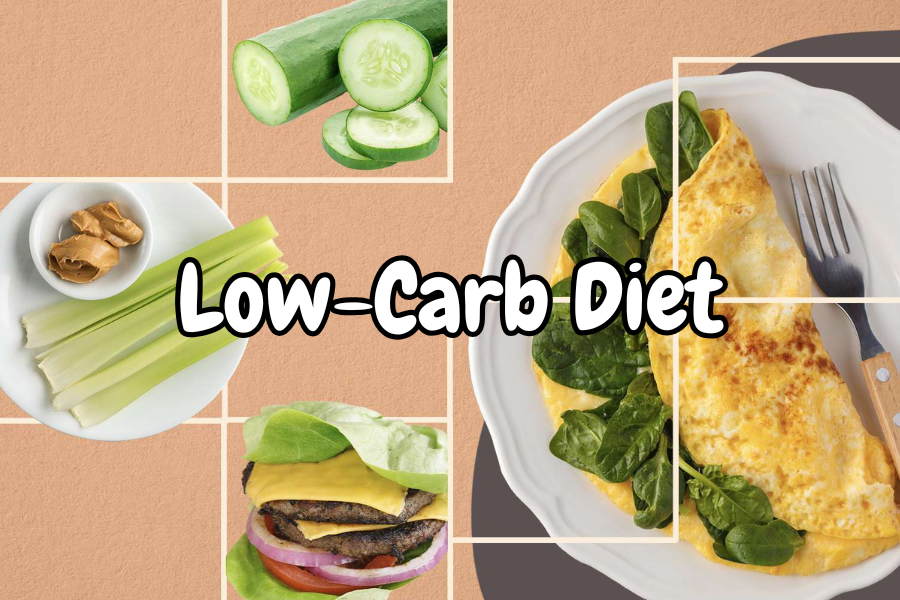
What Can You Eat on a Low Carb Diet?
Low carb diets continue to attract attention because they offer a clear structure for food choices while still allowing variety. Many people assume that eating low carb means giving up most foods they enjoy. In practice, a low carb approach includes a wide range of nutrient-dense options from both animal and plant sources. The key lies in understanding where carbohydrates come from and how to choose foods that keep carb intake controlled without sacrificing nutrition or satisfaction.
At its core, carbohydrate content depends heavily on a food’s source. Plants produce carbohydrates through photosynthesis, which means all whole plant foods contain some level of carbs. Animal-based foods, on the other hand, contain little to no carbohydrates. This simple distinction makes it much easier to decide which foods fit well into a low carb eating pattern.
Understanding Carbohydrates and Food Sources
Carbohydrates originate almost entirely from plants. Through photosynthesis, plants convert sunlight, carbon dioxide, and water into sugars and starches. These compounds provide energy, but they can also add up quickly when consumed in large amounts.
Animal foods do not go through this process. As a result, most foods that come directly from animals contain only trace amounts of carbohydrates. This difference explains why many low carb diets emphasize animal-based proteins and fats while encouraging careful selection of plant foods.
A low carb diet does not require eliminating plants altogether. Instead, it focuses on choosing plant foods that offer fiber, vitamins, and minerals without excessive carbohydrate content.
Animal-Based Low Carb Foods
Meat and Poultry
Meat forms the foundation of many low carb eating plans. Beef, chicken, turkey, pork, lamb, venison, and bison all qualify as low carb foods. These options provide protein, iron, zinc, and essential amino acids without contributing meaningful carbohydrates.
Eggs also deserve special attention. Eggs work well at any meal and offer protein, healthy fats, and micronutrients such as choline. They fit seamlessly into a low carb diet and allow for endless preparation methods.
Processed Meats
Some processed meat products also fall within low carb guidelines. Bacon, pork rinds, beef jerky, and deli meats can work, but they require careful label reading. Processing often lowers overall food quality and may introduce added sugars, starches, or fillers that increase carb content.
Limiting processed meats and choosing products with minimal ingredients helps preserve diet quality and avoids hidden carbohydrates.
Fish and Seafood
Fish and seafood provide excellent low carb protein options. Salmon, haddock, tuna, sardines, shrimp, scallops, and shellfish all contain negligible carbohydrates. Many of these foods also supply omega-3 fatty acids, which support heart health and reduce inflammation.
Both wild-caught and responsibly farmed options fit well into a low carb plan. Preparation methods matter, so grilling, baking, or pan-searing without sugary sauces works best.
Dairy Foods on a Low Carb Diet
Dairy requires more attention because it naturally contains lactose, a type of sugar. Carb counts vary widely between dairy products, and added sweeteners can further increase carbohydrate levels.
Fat Content and Carbohydrates
In general, higher-fat dairy products contain fewer carbohydrates than low-fat versions. For example, heavy cream contains far fewer carbs than skim milk. Fat also adds flavor, reducing the need for added sugars.
Low fat dairy products often rely on sweeteners or thickeners to improve taste and texture, which can raise carb counts. Reading labels becomes essential when choosing dairy foods.
Low Carb Dairy Options
Several dairy foods can fit into a low carb lifestyle:
- Full fat yogurt with no added sugar
- Heavy cream and half-and-half
- Sour cream
- Most cheeses, including cheddar, mozzarella, brie, and parmesan
Even within these categories, carb counts vary, so checking nutrition labels helps maintain accuracy.
Cooking Fats and Oils
Fats play a central role in low carb eating because they provide energy without carbohydrates.
Animal-Based Fats
Butter, lard, and tallow come directly from animal sources and contain zero carbohydrates. These fats work well for cooking and add richness to meals.
Plant-Based Oils
Some oils come from plants but still fit within a low carb framework. Avocado oil, coconut oil, and olive oil contain no carbohydrates and suit a wide range of cooking methods.
Other oils, such as soybean, sunflower, and canola oil, also contain no carbs. Some people choose to limit these oils due to concerns about processing methods and fatty acid balance, even though they technically qualify as low carb.
Plant-Based Low Carb Foods
Although all whole plant foods contain carbohydrates, many fit comfortably into a low carb diet when chosen carefully.
Beverages: Coffee and Tea
Coffee and tea come from plant sources but contain only trace carbohydrates. When consumed plain, they work well for low carb diets. Additions such as sugar, flavored syrups, or sweetened creamers can quickly change their carb profile.
Herbs and Spices
Herbs and spices contain small amounts of carbohydrates, but typical serving sizes remain minimal. Fresh or dried herbs add flavor without significantly affecting carb intake.
Packaged spice blends require more scrutiny. Some blends include sugar, starch, or flour, which can add unexpected carbs. Reading labels helps avoid these additions.
Low Carb Vegetables
Non-starchy vegetables provide fiber, vitamins, and minerals with relatively low carbohydrate content. Leafy greens rank among the lowest carb options and include spinach, lettuce, kale, and arugula.
Other vegetables that fit well include:
- Asparagus
- Green beans
- Broccoli
- Cauliflower
- Mushrooms
Onions contain more carbs than most non-starchy vegetables. Small amounts still work for many people, but strict low carb or ketogenic diets may require closer tracking.
Nuts and Seeds
Nuts and seeds qualify as low carb foods, but portion control matters. They combine carbohydrates and fats, making it easy to eat more than intended.
Lower Carb Nuts
Some nuts contain fewer carbs than others:
- Pecans
- Walnuts
- Macadamia nuts
Higher carb nuts include pistachios and cashews. These still fit in moderation but require closer monitoring.
Seeds
Seeds add texture and nutrition to meals. Chia seeds, hemp seeds, sunflower seeds, and pumpkin seeds work well on salads or in recipes. Many people prefer raw seeds to avoid added oils used in roasting.
Nut and Seed Butters
Nut and seed butters provide convenience and flavor but make overeating easier. Labels deserve careful review to ensure no added sugars or fillers appear. Portion awareness helps keep carb intake steady.
Low Carb Baking Alternatives
Almond flour and coconut flour often replace traditional wheat flour in low carb baking. These alternatives contain fewer carbohydrates than white flour and offer some nutritional advantages.
Refining any whole food changes how the body processes it. For individuals using a low carb diet for weight management, limiting all types of flour often leads to better results, even low carb versions.
Fruit Choices on a Low Carb Diet
Fruit contains natural sugars, but some options work better than others in a low carb plan.
Lower Carb Fruits
Certain fruits contain relatively low carbohydrate levels and fit easily into many low carb diets:
- Avocados
- Coconuts
- Lemons and limes
- Olives
These fruits provide healthy fats or acidity with minimal sugar impact.
Moderate Carb Fruits
Some fruits contain moderate carb levels and may fit depending on individual tolerance:
- Apples
- Berries
- Cantaloupe
- Cherries
- Grapefruit
People who struggle with weight loss may find that limiting overall fruit intake supports better progress.
Dark Chocolate as a Treat
Dark chocolate can fit into a low carb diet when chosen carefully. Products with at least 70 percent cacao and little or no added sugar work best. Taste preferences often change over time, and many people begin to appreciate the subtle sweetness of darker chocolate after reducing sugar intake.
Portion size still matters, but small amounts can add enjoyment without disrupting carb goals.
Building a Balanced Low Carb Diet
A low carb diet includes far more than meat and eggs. With thoughtful choices, it incorporates vegetables, healthy fats, select fruits, nuts, seeds, and even occasional treats. Focusing on whole foods and reading labels supports consistency and helps avoid hidden carbohydrates.
Understanding food sources simplifies decision-making. Animal-based foods typically provide protein and fat without carbs, while plant foods require more selective choices. This balance allows flexibility while maintaining carb control.
A well-structured low carb diet offers variety, satiety, and nutritional value. With the right approach, it becomes a sustainable way of eating rather than a restrictive plan.
About The Author





