Why Treadmill Workouts for Weight Loss Are Your Best Bet
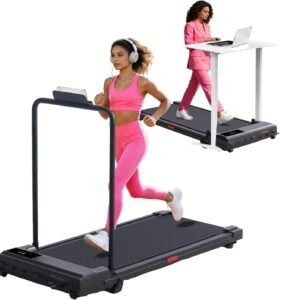
Treadmill workouts for weight loss give you structure, control, and consistency in a way that many other options do not. You can adjust speed, incline, and time to match your fitness level, then gradually turn up the challenge as you get stronger. If your goal is to lose weight and improve your health, the treadmill can be one of the most reliable tools you use.
Below, you will see how treadmill workouts help you burn calories, which types of routines work best, and how to build a plan you can actually stick with.
Why treadmill workouts for weight loss work so well
Treadmills make weight loss simpler because they remove a lot of guesswork. You control your pace and incline, you can see exactly how long you have been moving, and you can repeat the same workout to track progress.
Experts recommend that adults get at least 150 minutes of moderate aerobic exercise each week, such as brisk walking on a treadmill at 3 mph or faster, to support weight loss and overall health (Verywell Health). If you prefer to work harder for shorter periods, 75 minutes of vigorous exercise, such as running at 5 mph or higher, can deliver similar benefits (Verywell Health).
Because a treadmill is available in most gyms and can be used at home, it becomes one of the easiest ways to hit those weekly targets consistently (Healthline). Consistency is often the missing piece in many weight loss efforts, and the treadmill helps you close that gap.
How many calories you can burn on a treadmill
You do not have to do complex math during every workout, but having a rough sense of your calorie burn can help you set realistic goals.
For example, if you weigh around 150 pounds, walking on the treadmill for 30 minutes typically burns about 125 calories, and that number goes up when you add incline (TODAY). A similar estimate from Harvard Medical School shows that a 155 pound person walking briskly at 3.5 mph for 30 minutes burns about 150 calories (NordicTrack).
If you run instead of walk, your calorie burn climbs quickly. That same 155 pound person can burn roughly 300 calories in 30 minutes by running at 6 mph (NordicTrack).
Incline makes an even bigger difference. One study found that walking at a 5 percent incline increased metabolic cost by 52 percent, while a 10 percent incline more than doubled it, increasing cost by 113 percent compared with flat walking (NordicTrack). In practical terms, that means a slight hill setting on your treadmill can turn an ordinary walk into a very effective fat burning session.
If you like numbers, a treadmill calorie calculator that uses METs and factors like weight, incline, and even curved treadmills can give you a tailored estimate for each workout (RunBundle).
Steady walking, running, or HIIT: what is best for you
You have several options for treadmill workouts for weight loss, and each has its pros and cons. The best choice depends on your fitness level, schedule, and injuries or joint issues.
Steady state walking
Steady walking is a great starting point if you are new to exercise, returning after a break, or dealing with joint pain.
At a brisk pace of about 3 to 3.5 mph, you are in the moderate intensity zone recommended for at least 150 minutes per week (Verywell Health). It is low impact, easier to sustain, and less intimidating than running.
When you add incline, things get more interesting. Incline walking recruits more of your leg muscles, increases heart rate, and burns more calories while still being relatively kind to your joints (TODAY, Healthline). It also helps you build lean muscle, which supports a higher resting metabolism over time (Healthline).
Running or jogging
If your joints can handle it, jogging or running on the treadmill can double your calorie burn in the same amount of time compared with walking. This makes it a good option if your schedule is tight and you prefer shorter, more intense workouts.
Running at 5 mph or higher counts as vigorous exercise, so 75 minutes per week can meet general health guidelines and aid weight loss (Verywell Health). When you slightly increase the incline, you match the effort of outdoor running and increase calorie expenditure further (RunBundle).
High intensity interval training (HIIT)
HIIT treadmill workouts combine bursts of hard effort with short recovery periods. This approach is one of the most time efficient ways to shed body fat, because you work at a higher intensity and your body keeps burning extra calories after you step off the machine.
Research shows that HIIT on a treadmill can reduce body fat and improve fitness in less time than steady state cardio (Healthline). Interval workouts that alternate between sprints or fast runs and walking recoveries also create an afterburn effect, called excess post exercise oxygen consumption, so you continue to burn more calories after the workout ends (8fit, 8fit).
PureGym highlights HIIT treadmill sessions as one of the most effective methods for weight loss, because they burn more calories in less time and boost metabolism for hours afterward (PureGym).
Popular treadmill routines that help you lose weight
Once you understand the options, it is easier to pick a structure that fits your lifestyle. Here are a few well known treadmill workouts for weight loss you can adapt.
The 12-3-30 incline workout
The 12-3-30 workout became famous on social media and is simple to remember. You walk at 3 mph on a 12 percent incline for 30 minutes. There is no running, but the steep incline makes it surprisingly intense and very effective for calorie burn and leg strength (Verywell Health, TODAY).
Incline walking at this level engages your glutes, hamstrings, and calves while increasing heart rate and energy expenditure, which helps with weight loss and cardiovascular health (TODAY, Planet Fitness). It is low impact and suitable for many fitness levels, provided you build up gradually.
Beginners are usually advised to start with a lower incline or shorter duration, for example 10 to 15 minutes at a moderate incline, then slowly work up to the full 30 minutes. Over time, more advanced exercisers might perform this style of workout 5 or 6 times per week for 45 to 60 minutes, as long as their body tolerates it well (Planet Fitness).
Because of the stress that steep incline walking puts on your lower back, hamstrings, Achilles tendon, knees, and plantar fascia, many health specialists suggest doing a workout like 12-3-30 at most every other day and paying close attention to posture and form (TODAY).
Beginner friendly incline walking
If 12-3-30 feels too intense right now, you can scale it down while keeping the same principles.
PureGym recommends a beginner incline walk that lasts about 15 to 20 minutes. You walk at a comfortable pace and use a gentle incline that still lets you talk in short sentences. This helps you get used to the treadmill, build baseline fitness, and prepare your muscles and joints for harder sessions later (PureGym).
As you get stronger, you can extend the time toward 30 minutes, then nudge the incline up a little at a time. Experts suggest increasing treadmill intensity by about 10 percent per week to safely build endurance and reduce injury risk (Verywell Health).
Simple HIIT interval ideas
You do not need a complicated plan to benefit from HIIT on the treadmill. A beginner friendly option is a walk jog run circuit that lasts about 15 minutes and can be extended to 30 minutes as your fitness improves. You alternate between slower walking, faster walking or jogging, and short bursts of running, repeating several times (8fit).
Another example is a 30 minute fat burning run that includes five 5 minute runs at speeds between 5 and 8 mph with different inclines. Each hard interval is followed by a 1 minute recovery walk at a lower incline, which helps you catch your breath while keeping your body working (8fit).
There are also pyramid style workouts, where you gradually increase your sprint duration, then reduce it again, and classic sprint intervals, such as 60 seconds of fast running followed by 60 seconds of walking, repeated several times (8fit). PureGym suggests an advanced option of 10 rounds of 30 second sprints with recovery periods, which is intense but very effective once you have built a solid base (PureGym).
Sample weekly approach
Here is one simple way to combine these ideas across a week if your main goal is fat loss and overall health:
- Two or three days of steady incline walking for 30 minutes
- One or two days of HIIT intervals, 15 to 25 minutes of work plus warm up and cool down
- Optional one day of a structured incline workout like a shorter version of 12-3-30
You can adjust this based on your schedule and recovery. The key is to include both moderate longer sessions and shorter higher intensity ones so your body is challenged in different ways (Healthline).
How to progress safely and avoid injury
Progress is important for treadmill workouts for weight loss, but pushing too hard too quickly can backfire. The idea of progressive overload works well here. You slightly raise one variable at a time, such as:
- Speed
- Incline
- Workout duration
- Number of intervals or reduced rest times
Gradual increases of about 10 percent per week are often recommended to improve endurance and calorie burn without overloading your joints and soft tissues (Verywell Health, PureGym).
Incline walking especially can strain your calves, Achilles tendons, hamstrings, and lower back. Rest days and cross training matter. Health specialists recommend keeping intense incline sessions like 12-3-30 to every other day and paying attention to posture by standing tall, avoiding leaning on the handrails, and engaging your core (TODAY).
Listening to your body is the easiest form of injury prevention. If you feel sharp pain, unusual joint discomfort, or lingering soreness that does not improve, backing off for a few days is often smarter than pushing through.
Pairing treadmill cardio with strength and nutrition
Cardio is only one piece of the weight loss puzzle. To see the best results from your treadmill time, you will want to combine it with strength training and a thoughtful approach to food.
Strength training helps you build and maintain lean muscle. Muscle tissue burns more calories at rest than fat tissue, so adding a couple of full body strength sessions each week can amplify what you get from treadmill workouts (Healthline). PureGym also recommends pairing treadmill work with strength training and a healthy diet to boost metabolism and support losing belly fat specifically (PureGym).
On the nutrition side, weight loss still comes down to a consistent calorie deficit. Many guidelines suggest a daily deficit of 500 to 1,000 calories to lose about 1 to 2 pounds per week, which can be created through a combination of exercise and dietary changes (TODAY). Treadmill workouts help you burn part of those calories so you do not have to rely only on eating less.
You do not need a perfect meal plan, but focusing on whole foods, lean protein, fiber, and moderate portions will support your workouts and keep you feeling full.
Treadmill workouts for weight loss are most effective when they are part of an overall routine that mixes cardio, strength training, and a sensible eating pattern.
Making treadmill workouts a habit you enjoy
The best treadmill plan is the one you can follow for months, not just a week or two. Small tweaks can make your sessions something you actually look forward to rather than a chore.
You might:
- Watch a show or listen to a favorite podcast on longer steady walks
- Use music with upbeat tempos for your intervals or runs
- Vary your routine every few weeks to prevent plateaus and boredom
Changing treadmill routines regularly keeps your body challenged and may help you avoid fitness plateaus that slow weight loss progress (Healthline). You can adjust your incline, try a new HIIT pattern, or switch between walking focused and running focused weeks.
Start with one change you can commit to this week, such as three 30 minute walks at a slight incline or one beginner HIIT session. As you notice your stamina, mood, and energy improve, it becomes easier to keep stepping onto the treadmill and let the results build over time.
About The Author