Your Guide to Incredible Omega-3 Fatty Acids Benefits Now
Omega-3 fatty acids benefits can feel almost too good to be true at first glance. You see them on supplement bottles, cereal boxes, and fish oil ads, all promising sharper thinking and a healthier heart. When you look closer at the research, though, there is real science behind many of these claims, especially when omega-3s come from food.
Below, you will find a clear walkthrough of what omega-3s are, how they support your body, where you can find them, and how to decide whether supplements make sense for you.
Understand what omega-3s actually are
Omega-3s are essential polyunsaturated fats. Your body needs them for key functions, but you cannot make enough on your own, so you have to get them from food or supplements. The main types you will hear about are:
- ALA (alpha-linolenic acid), found mostly in plants like flax, chia, and walnuts
- EPA (eicosapentaenoic acid), found mainly in fatty fish and fish oil
- DHA (docosahexaenoic acid), also found in fatty fish, fish oil, and algal oil
DHA and EPA are the stars in most studies. They play major roles in your heart, brain, and eye health, and there is much stronger research for their benefits compared to ALA from plant sources (Mass General Brigham).
If you do not get enough omega-3s over time, you may notice dry, rough, or scaly skin, and in more severe cases, dermatitis (Mass General Brigham). That is your body signaling that these fats are not optional.
Support your heart and blood vessels
When you think of omega-3 fatty acids benefits, heart health is probably the first that comes to mind. Research backs that connection, especially for people who eat fatty fish regularly or are at higher cardiovascular risk.
Improve blood fats and blood pressure
Omega-3s can:
- Lower triglycerides, a blood fat that, at high levels, raises your risk of atherosclerosis, heart disease, and stroke (Cleveland Clinic)
- Slightly raise HDL, the “good” cholesterol, which helps clear cholesterol from your bloodstream
- Modestly lower blood pressure in some people, which benefits your arteries and heart over time (Cleveland Clinic)
These effects may not feel dramatic day to day, but they quietly reduce the strain on your cardiovascular system.
Lower your risk of certain heart events
Large studies have looked at how omega-3s affect real-world outcomes like heart attacks. The picture is nuanced:
- Eating fatty fish at least twice a week appears to protect your heart more consistently than relying only on supplements (Mass General Brigham)
- Several trials show that people with existing coronary heart disease who take EPA and DHA have lower rates of heart failure, fatal coronary heart disease, and major coronary events overall (NIH ODS)
- The REDUCE-IT trial found that 4 grams daily of a prescription EPA product called icosapent ethyl cut major cardiovascular events by 25 percent over five years in high-risk patients on statins (NHLBI)
At more typical supplement doses, the results are more mixed. In the VITAL and ASCEND trials, 1 gram per day of EPA and DHA reduced heart attacks and cardiovascular deaths but did not significantly lower the total number of major cardiovascular events (NIH ODS).
So what does this mean for you? If you are generally healthy, focus on eating fatty fish first. If you have heart disease, high triglycerides, or multiple risk factors, your doctor may consider higher-dose or prescription omega-3s as part of a broader plan.
Protect your brain and support mood
Your brain is rich in fats, and omega-3s make up a big part of that structure. Around 35 percent of brain lipids are omega-3s, and DHA alone accounts for more than 40 percent of omega-3 polyunsaturated fats in neuronal tissue, especially in gray matter (PMC – Cureus).
Support memory and thinking
Several studies have looked at how omega-3s affect brain structure and function, particularly in midlife:
- A 2022 study found that adults in their 40s and 50s with at least some omega-3s present in their red blood cells had better brain structure and cognitive performance than those with very low levels (UT Health San Antonio)
- People with the lowest omega-3 status had the poorest outcomes, which suggests that even moderate intake can be protective (UT Health San Antonio)
Randomized clinical trials in adults around age 45 show that omega-3 supplementation can improve learning, memory, cognitive well-being, and even brain blood flow, and the treatments are generally well tolerated (PMC – Cureus). In one trial, 24 weeks of DHA supplementation significantly improved recognition memory and reduced learning errors compared to placebo, and higher blood DHA levels matched better memory scores (PMC – Cureus).
Omega-3s also boost blood circulation in the brain. Supplementation increased oxyhemoglobin and total hemoglobin levels during mental tasks, especially at doses around 2 grams of fish oil, suggesting better delivery of oxygen and nutrients while you think and focus (PMC – Cureus).
Interestingly, people who felt lonelier in these studies tended to experience more memory decline, but higher-dose omega-3s helped blunt that decline. That points to a potential role in protecting your cognition if you are socially isolated (PMC – Cureus).
Help stabilize mood and mental health
Omega-3s, particularly EPA, may help reduce symptoms of depression and anxiety. Populations that eat more fish and obtain higher omega-3 intake often show lower rates of depression overall, although the relationship is complex (Healthline).
You should not view omega-3 supplements as a stand-alone treatment for mental health conditions. They can, however, be one more supportive tool alongside therapy, medication, exercise, and sleep if your clinician recommends them.
Support healthy eyes and clear vision
Your retina is especially rich in DHA. This fatty acid helps build and maintain the structure of photoreceptor cells that let you see clearly.
DHA is a major structural component of the retina, and higher intakes are associated with a lower risk of macular degeneration, a leading cause of vision loss worldwide (Healthline). You may not notice a day-to-day change when you eat more omega-3s, but over years, they help support the tissues that protect your sight.
Benefit your body during pregnancy and early life
If you are pregnant, trying to conceive, or thinking ahead for a future pregnancy, omega-3s, especially DHA, deserve a spot on your radar.
Long-chain omega-3s are crucial for fetal brain and retina development. Supplementation in pregnancy has been shown to reduce the risk of preterm birth and early preterm birth by somewhere between 12 percent and 35 percent in large analyses (NIH ODS).
Getting enough omega-3s during pregnancy and early life is also linked to better cognitive outcomes in children and a lower risk of developmental delays (Healthline). That is one reason prenatal vitamins often include DHA, and why many pediatricians suggest omega-3 rich foods once babies start solids.
If you do not eat fish, algal oil supplements can provide DHA from a non-fish source and are suitable if you are vegan or have fish allergies (Mass General Brigham).
Lower inflammation and possibly cancer risk
Chronic, low-level inflammation is tied to many long-term health problems, from heart disease to some cancers. Omega-3s help by reducing the production of inflammatory molecules in your body, which may, in turn, lower your risk of these conditions (Healthline).
The cancer picture is more complicated:
- Observational studies link higher EPA and DHA intake with a lower risk of breast cancer, with women in the highest intake groups seeing up to a 14 percent risk reduction, though clinical trials still need to confirm this (NIH ODS)
- Some data suggest that more fish or omega-3s may reduce colorectal cancer risk in certain groups, but findings are not consistent
- A few studies have even reported a possible increase in prostate cancer risk with higher blood omega-3 levels, so researchers are still trying to understand the full relationship (NIH ODS)
You should view omega-3s as one piece of an overall anti-inflammatory and cancer-aware lifestyle, which also includes not smoking, limiting alcohol, staying active, and eating a varied diet.
Decide between food and supplements
You have two main paths to get enough omega-3s: food and supplements. Each has pros and cons.
Prioritize food sources when you can
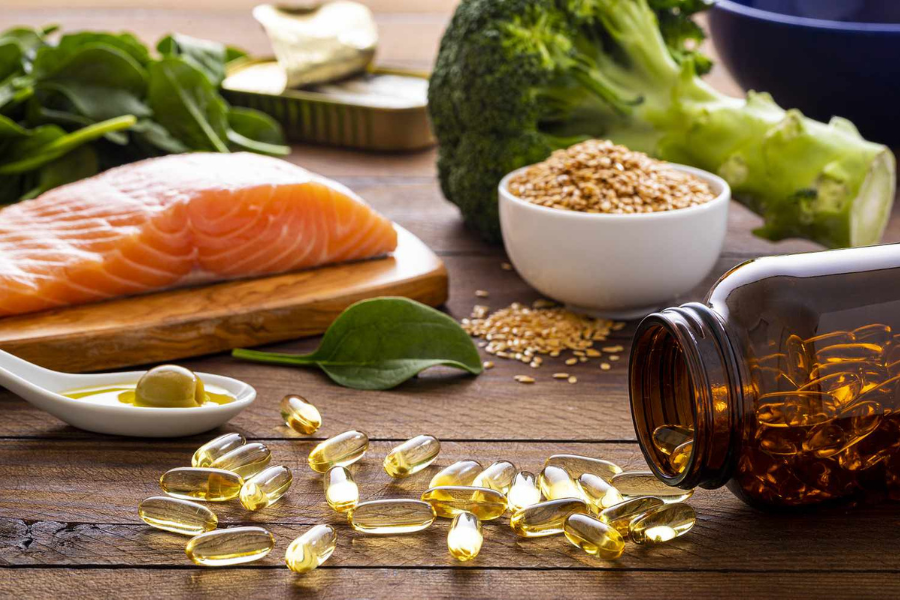
The American Heart Association advises people without heart disease to eat at least two servings (about 6 to 8 ounces total) of fish per week as a natural source of omega-3s (Cleveland Clinic). Fatty fish like salmon, sardines, trout, herring, and mackerel are especially rich in EPA and DHA.
Extensive research suggests that eating fatty fish weekly provides stronger cardiovascular protection than taking omega-3 supplements alone (Mass General Brigham). When you choose fish, you are also getting protein, vitamin D, selenium, and other nutrients that work together.
Plant-based sources like flaxseeds, chia seeds, hemp seeds, and walnuts supply ALA. Your body can convert a small amount of ALA into EPA and DHA, but this conversion is limited, so if you rely only on plants, you may want to discuss algal oil with your healthcare provider.
Use supplements thoughtfully
Supplements can be useful if:
- You dislike or cannot eat fish
- You are pregnant or breastfeeding and need extra DHA
- You have high triglycerides or high cardiovascular risk and your clinician prescribes them
Typical general heart health guidance suggests about 1000 milligrams per day of combined EPA and DHA from food and supplements. Higher doses, in the 2000 to 4000 milligram range, may be recommended under medical supervision to lower triglycerides (Mass General Brigham).
Not all supplements are created equal. Look for products that are third-party tested so you can reduce the risk of contaminants like heavy metals, and pay attention to the actual EPA and DHA content per capsule instead of just the total fish oil amount (Mass General Brigham).
If you follow a vegan diet or have a fish allergy, algal oil offers DHA without any fish at all (Mass General Brigham).
Be aware of potential risks and side effects
Even healthy nutrients can cause problems in the wrong context or at very high doses. Omega-3 supplements are no exception.
Possible issues include:
- Heavy metal or other contamination if you choose low-quality products, which is why third-party testing matters (NHLBI)
- Oxidation of the oil, which may contribute to artery problems if the product is poorly stored or rancid
- Increased risk of atrial fibrillation or bleeding when taken at high doses, especially alongside blood thinners, and without medical oversight (NHLBI)
Most people tolerate moderate doses well, but you should always talk to your clinician before starting high-dose fish oil, particularly if you have heart rhythm issues, bleeding disorders, or you are on anticoagulant medications.
Simple ways to increase omega-3s this week
If you would like to start feeling the omega-3 fatty acids benefits in your daily routine, you can make a few small changes:
- Add two fish dinners to your week, for example baked salmon or sardines on whole-grain toast.
- Sprinkle a tablespoon of ground flax or chia seeds into your morning oatmeal or smoothie.
- Swap your usual snack for a small handful of walnuts a couple of times a week.
- If you rarely eat fish, ask your healthcare provider whether an omega-3 or algal oil supplement fits your needs and medications.
You do not need a perfect diet to benefit. Even moving from “almost no omega-3s” to “some most days” can support your heart, brain, eyes, and long-term health.
About The Author