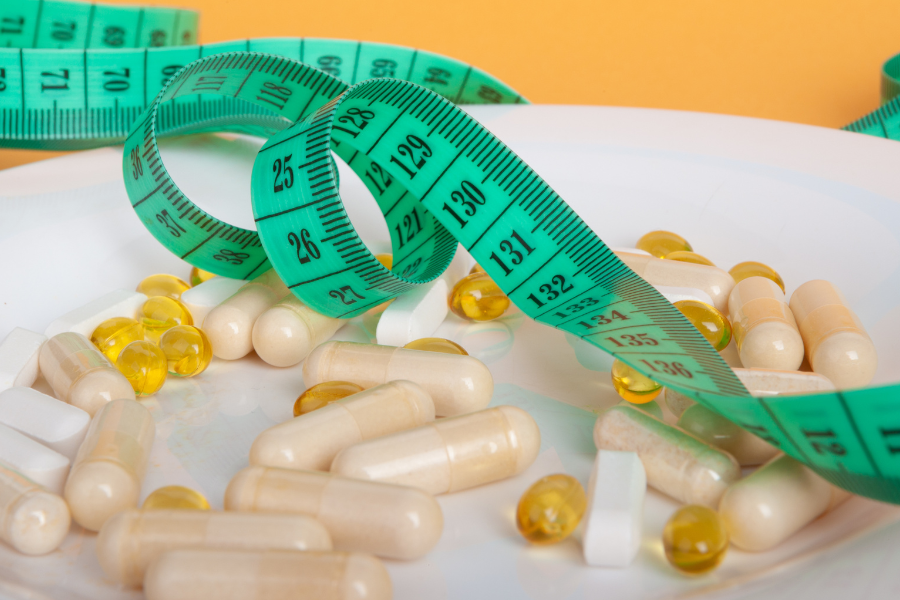
Why Natural Weight Loss Pills Might Be Your Best Choice
Natural weight loss pills are everywhere, from pharmacy shelves to social media ads. You might be wondering whether they are actually helpful or just clever marketing. The truth sits somewhere in the middle. Some natural ingredients have modest evidence behind them, but no pill replaces a healthy lifestyle.
In this guide, you will learn how natural weight loss pills work, what the evidence really says, and how to use them safely if you decide to try them.
Understand what “natural” means
When you see “natural weight loss pills” on a label, it usually means the product contains plant extracts, fibers, or other naturally occurring compounds rather than synthetic drugs. Common ingredients include green tea extract, caffeine, fiber like glucomannan, herbal extracts, and probiotics.
Natural does not mean harmless or well studied. Supplements are regulated very differently from prescription drugs. In the United States, manufacturers do not need FDA approval before selling a dietary supplement. They are expected to make safe products and use truthful labels, and the FDA usually steps in only after a product has been shown to be unsafe or misbranded (Office of Dietary Supplements, NIH, Mayo Clinic).
This lighter regulation puts more responsibility on you. You need to look at ingredients, research, and safety rather than trusting the word “natural” on the bottle.
Weigh natural pills against prescription options
If you are deciding between natural weight loss pills and prescription medications, it helps to understand how they compare in terms of regulation, effect, and safety.
| Option | What it is | Typical effect on weight | Key considerations |
|---|---|---|---|
| Natural weight loss supplements | Over the counter products with herbs, fibers, caffeine, and other compounds | Often small, short term weight changes when any effect exists | Limited high quality evidence, variable safety and purity, not FDA approved as weight loss drugs |
| Prescription weight loss drugs | FDA approved medications like semaglutide (Wegovy), orlistat, phentermine, Contrave, Qsymia | In clinical trials, average loss ranges from about 3 percent to over 20 percent of starting weight when combined with lifestyle changes (GoodRx, Drugs.com) | Require a prescription and medical monitoring, carry specific side effect profiles and warnings |
Newer prescription medications such as semaglutide (Wegovy) and tirzepatide (Zepbound) can lead to 14 to 20 percent or more weight loss over time when paired with diet and exercise (GoodRx, Drugs.com). However, they often cause stomach related side effects like nausea, vomiting, diarrhea, constipation, or stomach pain, especially early in treatment (SIU Medicine, Drugs.com).
Natural pills might appeal to you because they are easier to buy and feel gentler. Just keep in mind that there is far less solid evidence that they lead to meaningful, long term weight loss. A 2021 review of 1,743 clinical studies on weight loss supplements found only small weight changes overall and not enough high quality data to prove real, lasting benefits (AARP).
Look at the science behind popular ingredients
Some ingredients in natural weight loss pills have been studied more than others. Knowing what the research actually shows can help you set realistic expectations.
Caffeine and stimulant blends
Caffeine is one of the most common ingredients in natural weight loss products. It can slightly boost energy expenditure and fat oxidation. In one 12 week Japanese study, 75 mg of caffeine combined with a citrus flavonoid (glucosyl hesperidin) helped reduce BMI and abdominal fat compared with placebo (Office of Dietary Supplements, NIH).
Caffeine is also added to blends with other compounds such as raspberry ketones or bitter orange. One small, 8 week trial of a multi ingredient supplement with raspberry ketone, caffeine, bitter orange, ginger, and garlic root extract showed some weight loss in participants with obesity, but the design makes it hard to know which ingredient, if any, made a difference and whether the effect would last long term (Mayo Clinic).
You may feel more alert and less hungry with stimulants, but side effects can include jitteriness, insomnia, higher heart rate, and anxiety. If you already drink coffee or tea, extra caffeine from pills can add up quickly.
Fibers and “fat blockers”
Some “natural” pills use fibers or compounds that are supposed to reduce fat or calorie absorption.
- Chitosan is a sugar made from crustacean shells. A Cochrane Review reported that chitosan users lost about 1.7 kg more than placebo over 4 weeks to 6 months, but many studies were poor quality and the true benefit seems small (Office of Dietary Supplements, NIH). Other reviews describe mixed results and side effects such as gas, bloating, nausea, constipation, and it is not recommended if you have a shellfish allergy (AARP, WebMD).
- Glucomannan, a soluble fiber from the konjac plant, can swell in your stomach and help you feel full. Early evidence suggests possible weight loss benefits, but overall research is still limited. When used as tablets there is a risk of choking or intestinal blockage, and it can interfere with the absorption of medications if you take them at the same time (WebMD).
These ingredients may support fullness or slightly reduce calorie absorption, but they are not powerful fat blockers and should be taken with plenty of water and careful timing around other medications.
Plant extracts with emerging evidence
Some plant based ingredients are being studied for potential metabolic benefits.
- Irvingia gabonensis, often called African mango extract, was tested in a 10 week trial of 102 adults with overweight or obesity. Participants taking 300 mg daily lost more body weight, body fat, and waist size than those taking placebo (Office of Dietary Supplements, NIH). While promising, this is one study in a specific group, and larger, more diverse trials are needed before you can count on similar results.
- Probiotics and synbiotics (probiotics plus prebiotics) may help some people with overweight or obesity lower body weight and body fat. A 2018 review of 15 trials found moderate improvements, but the effect sizes were not dramatic and results varied by strain and dose (AARP).
- Berberine, a compound found in several plants, has been studied for insulin resistance and metabolic health. A 2022 review of 41 trials reported that taking berberine for at least eight weeks led to significant weight loss and better cholesterol levels, though concerns about study quality and bias mean more research is needed (AARP).
If you are drawn to these ingredients, treat them as a small helper for metabolism at best, not a core weight loss solution.
Know the real limitations of natural pills
Marketing language can make natural weight loss pills sound like a shortcut. Evidence suggests otherwise. Key limitations include:
- Small average effects. Across many supplements, weight loss tends to be modest when there is any effect at all. The 2021 systematic review mentioned earlier found no strong proof that any supplement alone causes clinically meaningful, long term weight loss (AARP).
- Lack of long term data. Many studies are short, often 8 to 12 weeks. You do not see what happens over years, which is what matters for weight maintenance and health.
- Variable quality and purity. Because supplements do not go through premarket approval, some products are contaminated or do not contain what the label claims. The FDA has removed some products that secretly contained prescription drugs or banned substances (Drugs.com).
- They are not medicines. Dietary supplements for weight loss are not approved to prevent, treat, or cure medical conditions. Reputable sources emphasize that they may support a plan but are not a replacement for diet, physical activity, and medical care when needed (Mayo Clinic).
Experts consistently stress that there is no over the counter vitamin or supplement that will magically cause weight loss without lifestyle changes. Effective weight loss still depends on what you eat, how much you move, your sleep, and your overall habits (AARP).
Watch for safety red flags
Natural weight loss pills can still cause serious harm. Some ingredients have been linked to liver damage and heart problems, and the herbal stimulant ephedra was banned after reports of high blood pressure, stroke, and heart attacks (Mayo Clinic, WebMD, Drugs.com).
You should be cautious if a supplement:
- Promises dramatic, fast weight loss without diet or exercise
- Uses vague “proprietary blends” without listing exact amounts
- Claims to be an all natural alternative to a prescription drug
- Has been the target of FDA warnings or recalls in the past
If you take prescription medications or have heart disease, high blood pressure, diabetes, liver or kidney disease, or mental health conditions, it is especially important to talk with your healthcare professional before trying any weight loss pill, natural or not.
Use natural pills as a small part of a bigger plan
If you and your clinician decide that a natural weight loss pill is worth trying, you will get the most benefit and reduce risks when you treat it as one small tool in a comprehensive plan.
You can support your results and reduce side effects by:
- Prioritizing whole foods, including plenty of vegetables, fruits, lean proteins, and high fiber grains
- Limiting greasy, high fat, spicy, and very sugary foods, especially if you are taking any medication or supplement that affects digestion
- Staying hydrated, which can help with fullness and can also ease digestive side effects from pills and medications (SIU Medicine)
- Building regular movement into your day with walking, strength training, or activities you enjoy
If you ever transition to or combine supplements with prescription medications such as GLP 1 drugs, your care team may recommend specific eating strategies to reduce nausea and stomach upset. Smaller, more frequent meals, high fiber foods, and attention to protein are often part of this approach (SIU Medicine).
Above all, learn to see any pill as a support, not the star. Your daily habits are what protect your weight loss over the long term.
When natural weight loss pills might make sense for you
Natural weight loss pills can be reasonable to consider if:
- You prefer to avoid prescription drugs and understand that results may be modest
- You want a small extra nudge in appetite control or metabolism as you improve your diet and activity
- You have worked with your healthcare professional to screen for interactions and safety issues
- You are prepared to stop the product if you notice side effects or no benefit after a trial period
They are not a good fit if you are looking for a quick fix, have a history of heart problems or serious medical conditions, or feel tempted to take more than the recommended dose to speed up progress.
If you keep your expectations realistic, choose products with transparent labeling, and build strong lifestyle habits around them, natural weight loss pills can be one part of a thoughtful weight management strategy. The most powerful changes still come from you, not from the bottle.
About The Author





