Mediterranean Diet Shopping List That Makes Weight Loss Easy
A smart mediterranean diet shopping list does more than fill your pantry. It sets you up to lose weight without counting every calorie, because your default choices are already nutrient dense, filling, and satisfying.
Instead of starting with recipes and scrambling for ingredients, you can flip the script. Stock the right staples once, then mix and match them into simple meals all week. Below you will find a practical mediterranean diet shopping list, plus ideas for turning those groceries into breakfasts, lunches, dinners, and snacks that support weight loss and better health.
Understand the mediterranean diet basics
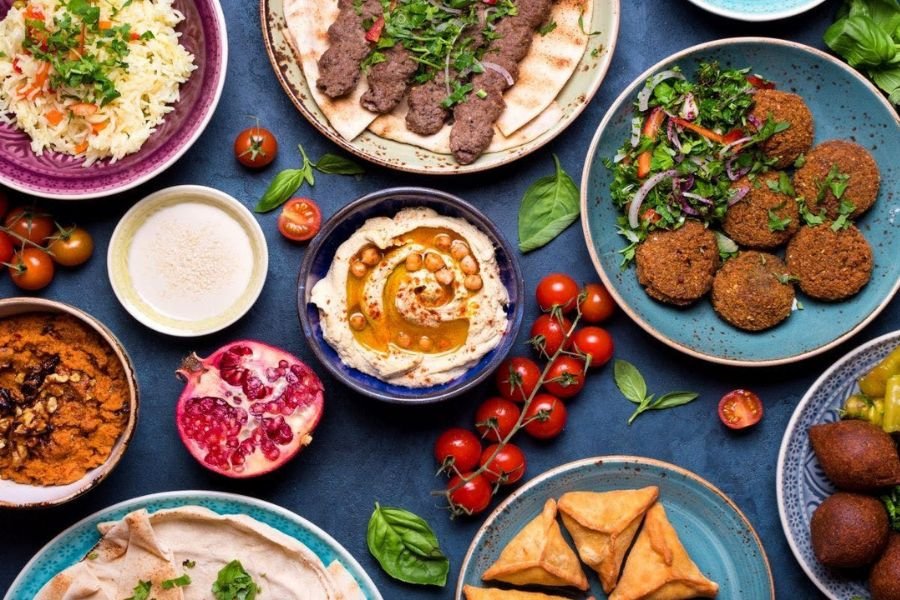
The mediterranean diet is based on the traditional foods eaten in countries around the Mediterranean Sea. It focuses on whole, minimally processed foods, lots of plants, and heart healthy fats like extra virgin olive oil (Cleveland Clinic).
You can think of it in terms of what you eat most often versus what you save for sometimes:
- Daily: vegetables, fruits, whole grains, beans and lentils, nuts and seeds, extra virgin olive oil
- A few times a week: fish and seafood, yogurt and cheese, eggs, poultry
- Occasionally: red meat, sweets, heavily processed foods
This flexible structure, similar to the Mediterranean diet pyramid, helps you eat well over days and weeks instead of chasing perfection at every single meal (The Mediterranean Dish).
For weight loss, this pattern works in your favor. High fiber plant foods and healthy fats help you feel full on fewer calories. You avoid the blood sugar spikes and crashes that drive constant snacking, so it becomes easier to eat a bit less without feeling deprived.
Build your mediterranean diet pantry
A stocked pantry is what makes this way of eating easy. When you already have grains, beans, and flavor boosters on hand, you can pull together fast meals instead of defaulting to takeout.
Oils and vinegars
Extra virgin olive oil is the star of the mediterranean diet shopping list. It is used for cooking, dressing salads, and finishing dishes. Cleveland Clinic recommends extra virgin olive oil over regular olive oil because it has a healthier fat profile and is rich in antioxidants that protect your heart and brain and reduce inflammation (Cleveland Clinic).
Good items to add to your cart:
- Extra virgin olive oil
- Aged balsamic vinegar
- Red wine vinegar
- White wine vinegar
Mediterranean Living highlights high quality extra virgin olive oil and flavorful vinegars as key pantry anchors, and even notes that red and white wines are often used in cooking for extra depth of flavor (Mediterranean Living).
Canned and jarred goods
Canned and jarred staples mean you can make a healthy dinner even when you forgot to thaw anything.
Consider keeping:
- Crushed tomatoes
- Tomato sauce
- Tomato paste
- Canned beans like chickpeas, cannellini, and black beans
- Jarred olives, artichokes, and capers
Mediterranean Living points out that crushed tomatoes, tomato sauce, and tomato paste are foundational for quick Mediterranean meals, especially hearty vegetarian dishes built on onions, garlic, and dried herbs (Mediterranean Living). Canned beans and legumes are also called out as essential protein sources that save time when you cannot soak dried beans overnight (Mediterranean Living).
Whole grains and pasta
Whole grains are a big part of the Mediterranean pattern, both for nutrition and for staying full. According to Cleveland Clinic, the diet encourages plenty of whole grains alongside vegetables, fruits, nuts, seeds, and legumes (Cleveland Clinic).
Great options include:
- Brown rice
- Quinoa
- Bulgur wheat
- Farro or barley
- Whole grain pasta
Mediterranean Living highlights bulgur and certain pasta varieties as especially useful, since they pair easily with vegetables and tomato based sauces to make balanced, filling meals (Mediterranean Living).
Herbs, spices, and aromatics
Flavor is a big reason people stay with the Mediterranean way of eating. When food tastes good, you do not feel like you are on a diet, even while you are losing weight.
Stock items like:
- Dried oregano, basil, thyme, rosemary
- Cumin, coriander, smoked paprika, chili flakes
- Garlic and onion, fresh or powdered
- Fresh herbs like parsley, cilantro, dill, and mint
MediterraneanLiving.com notes that dried herbs such as oregano and a variety of spices are not just for flavor, they can also aid digestion and make vegetable heavy meals more satisfying (Mediterranean Living).
Nuts, seeds, and snack staples
Nuts and seeds play a dual role. They are calorie dense, so portion size matters for weight loss, yet they are also rich in healthy fats and fiber, which help you feel satisfied.
Keep a few of these on hand:
- Almonds, walnuts, pistachios
- Sunflower seeds, pumpkin seeds
- Natural nut butters
- Plain popcorn kernels
Cleveland Clinic notes that nuts and seeds fit squarely into the pattern of eating plenty of whole, plant based foods with extra virgin olive oil as the primary fat source (Cleveland Clinic).
Fill your fridge with produce
Vegetables and fruits are the foundation of your mediterranean diet shopping list. Many guides recommend including vegetables at every meal, aiming for at least three servings a day, and even working toward 30 different types of vegetables per week for more variety and nutrients (Eden Green Technology).
Leafy greens
Leafy greens are easy to rotate so meals do not feel repetitive.
Good choices:
- Spinach for salads, sautés, and smoothies
- Kale to roast, sauté, or add to soups
- Arugula for a peppery salad base or pizza topping
Eden Green Technology notes that spinach is rich in iron and vitamins A and C, kale is high in antioxidants and vitamin K, and arugula offers calcium and a peppery flavor, and all can be enjoyed raw or cooked (Eden Green Technology).
Cruciferous and other hearty vegetables
Hearty vegetables help create satisfying, low calorie meals that support weight loss.
Include a mix of:
- Broccoli
- Brussels sprouts
- Cauliflower
These cruciferous vegetables provide fiber and key vitamins such as C and K, and Brussels sprouts in particular are associated with compounds that may help lower cancer risk (Eden Green Technology). Cauliflower is also very versatile, from roasting to mashing as a lighter swap for potatoes.
Colorful nightshades and alliums
Color is a simple shortcut for variety and nutrients.
Aim to buy:
- Tomatoes
- Bell peppers in several colors
- Eggplant
- Onions and garlic
Tomatoes supply antioxidants like lycopene that support heart health. Bell peppers are rich in vitamin C, and eggplant shines when grilled or roasted for dips or side dishes (Eden Green Technology). Onions and garlic are classic Mediterranean aromatics and bring immune supporting and antioxidant benefits as well (Eden Green Technology).
Everyday vegetables and fruits
Round out your cart with familiar options that you actually enjoy eating:
- Zucchini and cucumbers
- Artichokes, fresh or jarred
- Carrots and celery
- Seasonal fruits like berries, citrus, apples, pears, grapes, and stone fruits
Eden Green Technology points out that vegetables such as zucchini, cucumbers, artichokes, onions, and garlic are particularly popular in Mediterranean style cooking and are very versatile in salads, sautés, and roasted dishes (Eden Green Technology).
Choose proteins that support weight loss
Protein helps you maintain muscle as you lose weight and keeps you fuller between meals. With the Mediterranean diet, you focus on leaner proteins and mostly avoid highly processed meats.
Fish and seafood
Try to include fish or seafood a couple of times per week. Fatty fish like salmon, mackerel, and sardines supply omega 3 fats that support heart and brain health. White fish and shellfish offer lean protein with very little saturated fat.
The Mediterranean Dish notes that seafood is a primary meat choice in this way of eating, which fits neatly into your weight loss goals when it replaces heavier, fatty cuts of red meat (The Mediterranean Dish).
Poultry, eggs, and dairy
Next up are moderate portions of:
- Skinless chicken or turkey
- Eggs
- Yogurt, especially plain Greek yogurt
- A bit of cheese, like feta or Parmesan
According to The Mediterranean Dish, poultry is included in moderation along with other lean meats, while processed and fatty red meats are limited (The Mediterranean Dish). Greek yogurt in particular can be a useful weight loss food since it is higher in protein than regular yogurt and pairs well with fruit and nuts.
Beans, lentils, and plant proteins
Beans and lentils are central in every mediterranean diet shopping list because they are affordable and filling. Cleveland Clinic notes that the diet encourages plenty of legumes, and Mediterranean Living describes both canned and dried beans as fundamental staples that make quick, protein rich meals possible (Cleveland Clinic) (Mediterranean Living).
Rotate items such as:
- Chickpeas for salads, stews, and hummus
- Lentils for soups or grain bowls
- White beans in tomato based dishes
- Split peas or other regional legumes
These foods are high in fiber, so they digest slowly and keep you satisfied, which can naturally help you eat less overall.
Plan simple mediterranean meals for weight loss
Once your fridge and pantry are stocked, you can build meals by combining one item from each category: vegetables, protein, whole grain or starchy vegetable, and healthy fat. That structure keeps things balanced without strict rules.
Here is a straightforward way to think about it:
Vegetables first, then add protein, then whole grains, and finish with a drizzle of extra virgin olive oil or a sprinkle of nuts.
Breakfast ideas
Choose breakfasts that have both protein and fiber so you are not hungry again an hour later.
Examples:
- Greek yogurt with berries, a spoonful of chopped nuts, and a drizzle of extra virgin olive oil
- Whole grain toast topped with mashed avocado, sliced tomato, and a soft boiled egg
- Oatmeal cooked in water or milk, stirred with cinnamon, chopped walnuts, and diced apples
Lunch and dinner ideas
Keep your meals simple and repeatable, just changing the vegetables and spices to keep it interesting.
You might try:
- A grain bowl with quinoa or bulgur, roasted broccoli and cauliflower, chickpeas, arugula, and a lemon olive oil dressing
- Baked salmon with a side of roasted Brussels sprouts and sweet potatoes plus a small green salad
- Whole grain pasta tossed with crushed tomatoes, garlic, olive oil, spinach, and white beans, topped with a sprinkle of Parmesan
- Sheet pan chicken with bell peppers, onions, zucchini, and olives, served over brown rice
Snack ideas
Smart snacks can keep you on track between meals:
- A small handful of almonds or walnuts with a piece of fruit
- Sliced cucumbers, carrots, and bell peppers with hummus
- A few olives and cherry tomatoes with a cheese cube or two
Cleveland Clinic notes that snacks built from fruits, vegetables, whole grains, nuts, seeds, and extra virgin olive oil fit perfectly within the Mediterranean pattern while keeping red meat, sweets, and saturated fats limited (Cleveland Clinic).
Adapt the mediterranean diet to your needs
One of the best parts of the Mediterranean diet is how flexible it is. You do not have to eat specific recipes from a particular country to benefit.
Cleveland Clinic highlights that this style of eating can be customized if you are vegetarian, gluten free, or have other dietary needs, especially with guidance from a dietitian who can help you choose the right foods and build a personal shopping list (Cleveland Clinic). You can lean more heavily on beans and lentils if you eat little or no meat, choose gluten free whole grains like quinoa and brown rice, and adjust portions based on your size and activity level.
To support weight loss specifically, you might:
- Keep your plate at least half vegetables at lunch and dinner
- Use extra virgin olive oil generously for flavor but still measure it instead of pouring freely
- Watch portions of calorie dense foods such as nuts, cheese, and bread
- Limit sweets and heavily processed foods to special occasions
You do not need a perfect week of eating to see benefits. Start by using this mediterranean diet shopping list on your next grocery trip, pick one or two breakfasts and a few easy dinners to repeat, and give yourself time to adjust. Over a few weeks, the combination of satisfying meals, better ingredients, and less processed food can make weight loss feel much more manageable.
About The Author