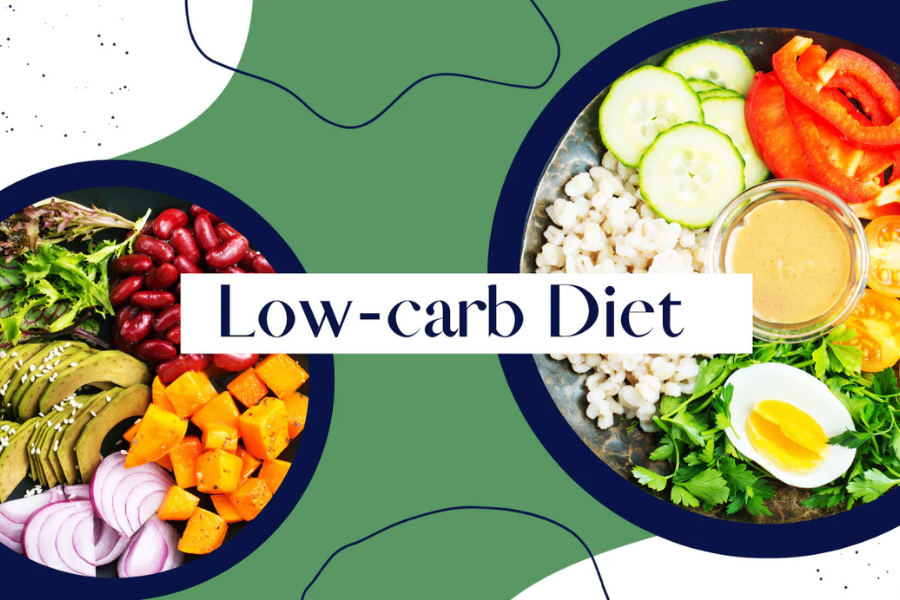
Your Ultimate Low Carb Diet Plan for Fast Weight Loss
A low carb diet plan can be a powerful way to lose weight and improve your health, especially if you want results without feeling constantly hungry. When you keep your daily carbs relatively low and focus on protein, healthy fats, and plenty of vegetables, you naturally reduce calories and stabilize your blood sugar, which can support both fat loss and better energy levels (Healthline).
This guide walks you through what a low carb diet plan actually looks like in real life, the pros and cons, and how to start in a way that feels realistic, not extreme.
Understand what “low carb” really means
Many people think low carb means you have to live on bacon and butter. In reality, there is a range of approaches, and yours should match your lifestyle and health goals.
A typical low carb diet usually contains less than 26% of your total daily calories from carbohydrates. For someone eating 2,000 calories a day, that works out to fewer than about 130 grams of carbs daily (Healthline). Some plans go lower than this, especially ketogenic diets that aim for 20 to 50 grams of carbs per day (Obesity Medicine Association).
You can think of the most common ranges like this:
| Style of diet | Approximate carbs per day | Typical focus |
|---|---|---|
| Moderate low carb | 100 to 130 g | Weight control, blood sugar balance |
| Low carb | 50 to 100 g | Faster weight loss, visible fat loss |
| Very low carb / keto | 20 to 50 g | Ketosis, often used for diabetes or sleep apnea (Obesity Medicine Association) |
You do not have to choose the strictest version to see progress. Many people do best starting with a moderate low carb diet plan and adjusting after a few weeks based on how they feel.
Know the main health benefits
If weight loss is your primary goal, a low carb diet plan can give you an early boost. Studies show that low carb diets often lead to more rapid short term weight loss than low fat diets, partly because you shed water weight and lower insulin levels in the first weeks (Healthline, Mayo Clinic).
You may also notice that you feel fuller between meals. Higher protein and fat intake tends to increase satiety, which makes it easier to eat fewer calories without feeling deprived (Mayo Clinic). In other words, you can lose weight without white-knuckling your way through constant hunger.
Other potential benefits include:
- Automatic reduction in appetite and calorie intake as you cut refined carbs and sugar (Healthline)
- A greater proportion of fat lost from your abdominal area, which is linked to inflammation and a higher risk of metabolic disease (Healthline)
- Improved HDL, the “good” cholesterol, and lower triglycerides compared with some low fat diets (EatingWell, Healthline)
- Reduced blood sugar and insulin levels, which can be especially helpful if you have insulin resistance or type 2 diabetes (Healthline)
A 2024 review found that low carb diets can be more effective than low fat diets for weight loss and for improving HDL cholesterol and triglycerides in the short term (EatingWell). Over 12 to 24 months, the difference often becomes smaller, so long term success still depends on choosing a plan you can stick with.
Be honest about the possible downsides
A low carb diet plan is not automatically healthier just because it is lower in carbs. How you build your meals matters a lot.
Very restrictive low carb diets that sharply cut fruits, whole grains, and many vegetables can make it hard to get enough vitamins, minerals, and fiber. Over time, this may raise your risk of deficiencies, digestive problems, and possibly chronic disease (Healthy For Life Meals). If you tend to struggle with constipation, going very low carb without planning your fiber can make that worse.
Carbohydrates are also your brain’s favorite fuel. When you go too low in carbs, especially very suddenly, you might notice fatigue, brain fog, or mood changes such as irritability or feeling low (Healthy For Life Meals, EatingWell). Some people adapt, others simply feel better with a moderate amount of carbs.
There are a few other considerations:
- Severe carb restriction can trigger ketosis, which sometimes leads to bad breath, headaches, and overall weakness, especially at the beginning (Mayo Clinic)
- Relying heavily on processed meats and high saturated fat can raise LDL cholesterol and may increase heart disease risk over time (Healthy For Life Meals)
- Over the long term, your metabolism can adapt to lower calorie intake, which may slow further weight loss, regardless of diet style (Healthy For Life Meals)
You can avoid many of these issues by emphasizing non starchy vegetables, lean proteins, and healthy fats, rather than treating “low carb” as a free pass for unlimited cheese and bacon.
Aim for a low carb diet plan that feels balanced, includes vegetables at most meals, and still leaves room for some fruit and whole grains unless your doctor has advised a more restrictive approach.
Choose the right low carb level for you
Instead of jumping straight into the strictest version, it helps to pick a starting point based on your lifestyle and health needs.
If your main goal is steady weight loss while still enjoying a flexible menu, you might aim for around 100 to 130 grams of carbs per day. This level is still considered low carb and typically means less than 26% of your daily calories come from carbs (Healthline).
If you want faster results and can handle more structure, 50 to 100 grams per day could work. For example, you might drop processed carbs completely and rely on vegetables, berries, and small portions of whole grains for your carbs.
Very low carb or ketogenic diets that limit you to roughly 20 to 50 grams of carbs per day should be planned carefully. These are sometimes used to treat conditions like diabetes or sleep apnea and are best followed with medical guidance (Obesity Medicine Association).
Whichever range you choose, try it consistently for at least two weeks before making a judgment about how it works for your body.
Focus on the foods to eat more often
A smart low carb diet plan is built on whole, minimally processed foods. Instead of only thinking about what to cut, it is easier to stick with your plan when you fill your plate with foods you genuinely like.
You will usually want to emphasize:
- Protein: eggs, poultry, fish, shellfish, lean beef or pork, Greek yogurt, cottage cheese, tofu, tempeh, nuts, and seeds
- Healthy fats: avocado, olive oil, canola or other plant based oils, nuts, seeds, and small amounts of cheese and full fat dairy
- Non starchy vegetables: leafy greens, broccoli, cauliflower, zucchini, peppers, tomatoes, cucumbers, mushrooms, green beans, and similar options
Non starchy vegetables are particularly important, since they give you volume, fiber, and nutrients with very few carbs. A healthy low carb diet focuses on these complex carbs rather than trying to eliminate all carbohydrates completely (Food Network).
Depending on how low carb you plan to go, you may also include moderate amounts of:
- Non tropical fruits such as berries, citrus, and stone fruits (Food Network)
- Whole grains such as quinoa, barley, or oats
- Starchy vegetables in small servings, like sweet potatoes or winter squash
Many popular low carb plans, including Atkins, paleo, Whole30, and keto, follow the same basic pattern. Meals typically contain 15 grams of carbs or less per serving (Food Network).
Limit the carbs that do the least for you
The easiest way to reduce carbs without feeling restricted is to start with the ones that offer plenty of calories and sugar but very little nutrition. These are the carbs that tend to spike blood sugar and leave you tired or hungry again shortly after.
You will usually want to cut back on:
- Sugary drinks such as soda, energy drinks, and sweetened coffee or tea
- Refined grains such as white bread, regular pasta, pastries, and many breakfast cereals
- Sweets and desserts like cookies, candy, and cakes
Low carb diets restrict these types of carbohydrate sources and instead encourage higher intakes of protein, fats, and vegetables in order to support weight loss and keep blood sugar steadier (Healthline).
Some low carb plans allow small amounts of dark chocolate, starchy vegetables, whole grains, or dry wine, depending on your daily carb target (Healthline). You can decide whether and how often these fit into your own plan, but they work best as occasional additions rather than everyday staples.
Build a simple low carb day of meals
Seeing what a full day looks like can make a low carb diet plan feel much more manageable. You do not need complicated recipes to get started.
Here is an example of how you might structure your meals:
Breakfast options
Scrambled eggs with bacon, a veggie omelet, or avocado with smoked salmon are classic low carb choices. You could also try low carb oatmeal style pancakes, which can provide around 11 grams of carbs and 12 grams of protein per serving (Obesity Medicine Association). If you prefer something quick, Greek yogurt with a few berries and nuts works well.
Lunch ideas
Lettuce wrapped sandwiches, often called “unwiches,” are a flexible way to enjoy your favorite fillings without the bread. You can also build large salads topped with chicken, tuna, or beans, or have a burger without the bun alongside a pile of vegetables. Zucchini taco boats, for example, can come in around 15 grams of carbs and 31 grams of protein per serving (Obesity Medicine Association).
Dinner examples
For dinner, you generally skip the big serving of pasta, rice, or potatoes and double up on vegetables instead. A plate might include steak with broccoli, chicken with riced cauliflower, or a broth based soup with a leafy salad. A slow cooker spinach artichoke chicken dish can offer about 19 grams of carbs and 49 grams of protein per serving (Obesity Medicine Association).
If you enjoy cooking, it can be fun to try recipes specifically designed to be low in carbs. Some options use simple ingredient swaps, such as zucchini ribbons instead of tortillas in enchiladas, which can reduce the carb count to about 10 grams per serving (Food Network). Recipes like Spicy Fennel Shrimp with 1 gram of carbohydrates per serving or Mushroom Stuffed Pork Tenderloin with only 3 grams per serving show that low carb can still be full of flavor (Food Network).
Adjust your plan for different lifestyles
Your ideal low carb diet plan will also depend on your health status and personal preferences.
If you are managing diabetes, you can follow a low carb diet similar to someone without diabetes, but you may need even closer attention to blood sugar and medication. Many people see improved blood sugar control and can sometimes reduce medication under medical supervision, but it is essential to work with your healthcare team (Healthline, Healthline).
If you are vegetarian, you can still eat lower carb, but it takes a bit more planning since many plant based proteins also contain carbs. You might rely more on eggs, dairy, tofu, nuts, seeds, and higher fiber grains, and it is wise to check in with a healthcare provider or dietitian to make sure you are covering your nutrient needs (Healthline).
You may also find you feel best with a slightly higher carb intake than some very strict plans recommend. EatingWell, for example, suggests that about 40% of calories from carbohydrates, or at least 120 grams per day, can still count as low carb while remaining more balanced and sustainable (EatingWell).
Make your low carb plan sustainable
The most effective low carb diet plan is not the one that looks perfect on paper. It is the one you can actually live with for months and years, not just a quick fix for a few weeks.
You can make your plan more sustainable by:
- Reducing refined carbs and sugars first instead of slashing all carbs overnight
- Including enough healthy fats and protein to keep you satisfied between meals
- Making non starchy vegetables the base of your plate to protect your fiber and nutrient intake
- Watching portion sizes for high calorie items like cheese and fatty meats, even if they are low in carbs (Obesity Medicine Association)
- Allowing some flexibility for social events and favorite foods so you do not feel constantly restricted
If you notice ongoing fatigue, brain fog, or digestive issues, it might be a sign that your carb intake is too low for your body. In that case, you can gradually add back some carbohydrates from whole grains, fruits, or additional vegetables while keeping processed carbs to a minimum (EatingWell).
You do not need to overhaul your entire menu in one day. You might start by switching breakfast to a protein rich, low carb option tomorrow, then working on lunches or dinners next week. As you make these small, consistent changes, your low carb diet plan becomes less of a “diet” and more of a way of eating that supports your weight, energy, and long term health.
About The Author





