The Best Keto Diet Plan for Your Busy Lifestyle
A keto diet plan can work with a busy lifestyle if it is simple, flexible, and realistic. Instead of complicated recipes and strict rules, you need quick meals, clear guidelines, and room to eat out or travel without starting over.
Below, you will find a practical keto diet plan that fits into a packed schedule, along with tips to help you decide if keto is right for you and how to do it safely.
Understand what a keto diet is
The ketogenic, or keto, diet is a very low carbohydrate, high fat eating plan that aims to put your body into ketosis. In ketosis, your body uses fat for energy instead of carbs and produces ketones as a fuel source. (UC Davis Health)
On a standard keto diet, you usually eat:
- About 70 to 80 percent of calories from fat
- About 10 to 20 percent from protein
- About 5 to 10 percent from carbohydrates
For most people, that means roughly 20 to 50 grams of net carbs per day, which is total carbs minus fiber. (Everyday Health)
There are a few variations, such as the classic keto diet, a slightly more flexible modified keto diet, and the Modified Atkins Diet, which allows unlimited protein. (UC Davis Health) For a busy lifestyle, you are most likely to use a standard or modified version that is easier to maintain.
Decide if keto fits your goals
Before you start a keto diet plan, it helps to be clear about why you are considering it and what tradeoffs you are willing to make.
Research suggests keto can:
- Support weight loss and reduce triglycerides and blood pressure compared to low fat diets in some people (Healthline)
- Improve insulin sensitivity and reduce A1C in people with type 2 diabetes or prediabetes, sometimes lowering the need for certain blood sugar medications (Healthline)
- Help manage seizures in people with drug resistant epilepsy, which is how it was first used in the 1920s (UC Davis Health)
At the same time, keto has potential downsides. It can be hard to maintain long term. You may be at higher risk of nutrient deficiencies because many fruits, whole grains, and some vegetables are limited. You might see changes in cholesterol such as higher LDL in some cases, and you may deal with constipation or the temporary “keto flu” as your body adapts. (UC Davis Health, Northwestern Medicine)
If you have diabetes, heart disease, kidney problems, or a history of disordered eating, you should talk with your doctor or a registered dietitian before starting. Keto can cause short term drops in blood pressure and blood sugar, and the close tracking it requires can sometimes worsen unhealthy food thoughts or behaviors. (Northwestern Medicine)
Learn what to eat and avoid on keto
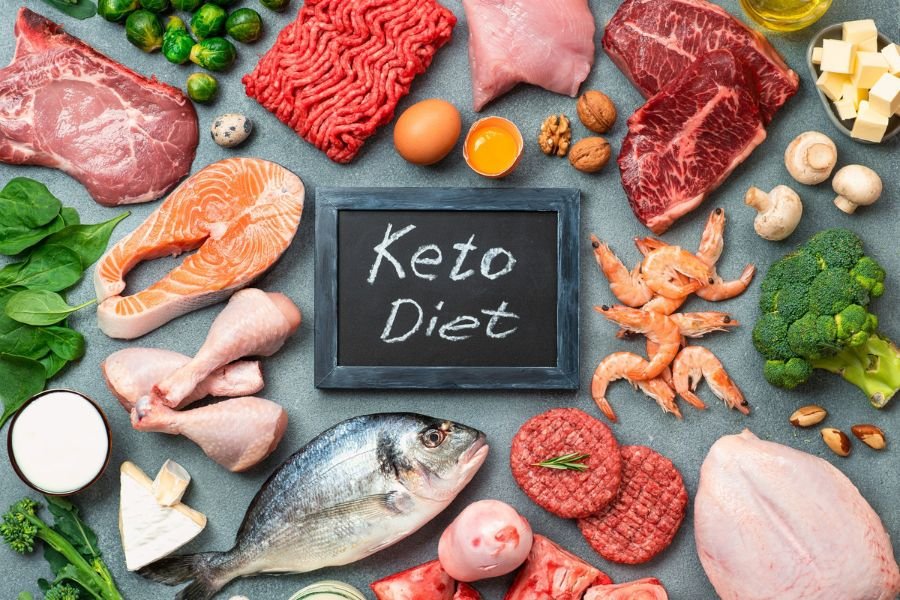
To keep your keto diet plan simple, focus on categories instead of memorizing long lists. The goal is to choose foods that are high in healthy fats, moderate in protein, and very low in digestible carbs.
Foods to base your meals on
Most of your meals can be built from:
- Non starchy vegetables such as leafy greens, broccoli, cauliflower, zucchini, peppers, and asparagus
- Protein sources like eggs, poultry, beef, pork, tofu, and seafood, especially fatty fish such as salmon and sardines
- Healthy fats like olive oil, avocado oil, butter, ghee, avocado, olives, nuts, and seeds
- Full fat dairy, for example, cheese, heavy cream, and plain full fat yogurt, if you tolerate dairy
The standard ketogenic diet often limits you to around 20 to 50 grams of carbs per day, so these lower carb foods become your staples. (Healthline)
Foods to limit or skip
High carb foods can push you out of ketosis, especially if you eat them regularly. It helps to know which ones are most likely to cause problems:
- Grains such as bread, pasta, rice, tortillas, and cereal
- Most baked goods and sweets including cookies, cakes, candy, and sugary snacks
- Starchy vegetables like potatoes, sweet potatoes, corn, and many root vegetables
- Certain fruits that are higher in sugar such as bananas, grapes, mango, and pineapple
- Sweetened beverages like regular soda, sweet tea, fruit juice, and flavored coffee drinks
- Sweetened dairy for example chocolate milk and flavored yogurt
- Many condiments including ketchup, barbecue sauce, and sweet chili sauce, which can hide added sugar
Unsweetened options such as plain full fat yogurt, unsweetened almond milk, mustard, mayonnaise, and hot vinegar based sauces usually fit better into a keto diet plan. (Healthline)
Low fat or reduced fat products are often not ideal because they typically contain more sugar to make up for the loss of fat. Since keto relies on fat for energy, full fat versions tend to align more closely with your goals. (Healthline)
Build a simple keto daily routine
You can make a keto diet plan more sustainable by keeping your daily structure predictable. A basic framework reduces decision fatigue on busy days.
Here is one example of a simple routine:
- Breakfast: Protein plus fat, like eggs cooked in butter with spinach, or plain Greek yogurt topped with nuts and a few berries
- Lunch: A big salad with leafy greens, grilled chicken or tofu, olive oil dressing, and avocado or olives
- Snack, if needed: A handful of nuts, a cheese stick, celery with cream cheese, or a hard boiled egg
- Dinner: A protein such as salmon, chicken thighs, or a burger patty, a generous serving of non starchy vegetables, and added fat from olive oil, butter, or avocado
This type of template lets you swap ingredients without changing the overall structure. On a very hectic day, your breakfast might be as quick as scrambled eggs and sliced avocado. On a slower day, you might cook a more involved keto casserole or sheet pan meal.
Plan ahead for your busiest days
If you are often short on time, a little preparation can make a big difference. You do not have to meal prep for a full week, but you can set up key items that keep your keto diet plan on track.
Batch cook your building blocks
Pick one or two times per week to prepare a few basics that you can reuse:
- Roast a tray of vegetables like broccoli, cauliflower, and Brussels sprouts
- Grill or bake a batch of chicken thighs or breasts
- Boil a dozen eggs
- Mix a large salad base without dressing
Once you have these, you can assemble quick meals in five to ten minutes, such as a salad with pre cooked chicken and olive oil dressing, or a plate of reheated vegetables with a burger patty.
Keep fast keto friendly options on hand
Your pantry and freezer can save you when your schedule does not go as planned. Stock items like:
- Canned tuna or salmon
- Frozen spinach or mixed low carb vegetables
- Pre cooked sausage or frozen burger patties with minimal additives
- Nuts and seeds
- Single serve packets of olives or nut butter
These options turn into quick meals that keep you within your carb limit without much effort.
If you can open, heat, or mix it in under 10 minutes, it belongs in your busy day keto toolkit.
Eat keto at work, restaurants, and on the go
Your keto diet plan only works if it fits your real life, not just your kitchen. With a few habits, you can stay close to your goals when you are away from home.
At the office
If you have a typical workday, you can:
- Pack leftovers in a reusable container so lunch is ready
- Bring shelf stable snacks, for example, nuts, seeds, or jerky with simple ingredients
- Keep small bottles of olive oil or dressing at your desk to upgrade a plain salad
If coworkers usually order lunch, you can choose bunless burgers, salads with protein and added avocado, or grilled meat with vegetables instead of fries or rice.
At restaurants
Nearly any restaurant can be made more keto friendly by adjusting sides and sauces. You can:
- Choose grilled, baked, or roasted proteins
- Ask to swap fries, rice, or bread for salad or extra vegetables
- Request sauces and dressings on the side to control hidden sugars
- Skip the bread basket and dessert, or share one bite if you want a taste without a full serving
You might not be perfectly keto at every meal, and that is okay. The goal is consistency over time, not perfection at every restaurant visit.
While traveling
For travel days, especially long flights or drives, it helps to pack:
- Nuts, cheese, and jerky
- Low carb protein bars that list net carbs clearly
- Packets of nut butter
- Instant coffee or tea if you like to add your own heavy cream or unsweetened milk alternative
If you know you will have limited options, you can plan to be as close to keto as possible without stressing about small deviations.
Expect and manage common side effects
When you first switch to a keto diet plan, your body adjusts from using carbs to using fat for fuel. This shift can bring temporary side effects often called the “keto flu.” You might notice fatigue, headache, nausea, constipation, or diarrhea in the first few days. (Healthline)
You can usually ease this transition by:
- Drinking plenty of water
- Adding a bit more salt to your food if your doctor has not restricted sodium
- Making sure you are eating enough total calories and not undereating
- Including fiber rich low carb vegetables to support digestion
With a busy lifestyle, you may want to start on a quieter week rather than right before a big work deadline or a major trip, so you have space to adjust.
You should also watch for longer term issues. Because keto can limit some nutrient rich foods, you may be at risk of low fiber, folate, vitamin C, magnesium, and other nutrients, especially if your food variety is narrow. (Everyday Health) A multivitamin, mineral supplements, or strategic food choices may help, but it is best to discuss this with a healthcare professional.
Match your keto plan to your activity level
If you do high intensity exercise, very low carb eating may not feel like a good fit. High intensity workouts depend heavily on carbohydrates, so the strictest versions of keto can impair performance and are usually not recommended for many athletes. (UC Davis Health)
If you are moderately active, such as walking, light jogging, or doing casual gym sessions, you might still feel good on a standard keto diet. You can adjust by:
- Prioritizing protein to help protect lean muscle, since keto is linked with more lean tissue loss compared to some higher carb diets (UC Davis Health)
- Eating a small portion of low glycemic carbs like extra vegetables or a few berries around your workouts if you notice low energy
If intense training is central to your routine, you might want to explore a more moderate low carb or Mediterranean style plan with your provider to balance performance and health.
Keep your keto plan realistic and flexible
The best keto diet plan for a busy lifestyle is one you can maintain. That usually means:
- Using simple meal templates instead of complicated recipes
- Prepping a few building blocks each week rather than full meals for every day
- Allowing flexibility for social events, travel, and unexpected schedule changes
- Checking in with your body and your doctor regularly, especially if you take medications or have underlying health conditions
You do not need to overhaul everything at once. You might start by reducing obvious sugars and refined carbs, then gradually lower your total daily carbs into the keto range while building new habits.
If you stay curious, adjust what is not working, and focus on consistency, you can find a version of keto that supports your weight and health goals without adding stress to an already busy life.
About The Author