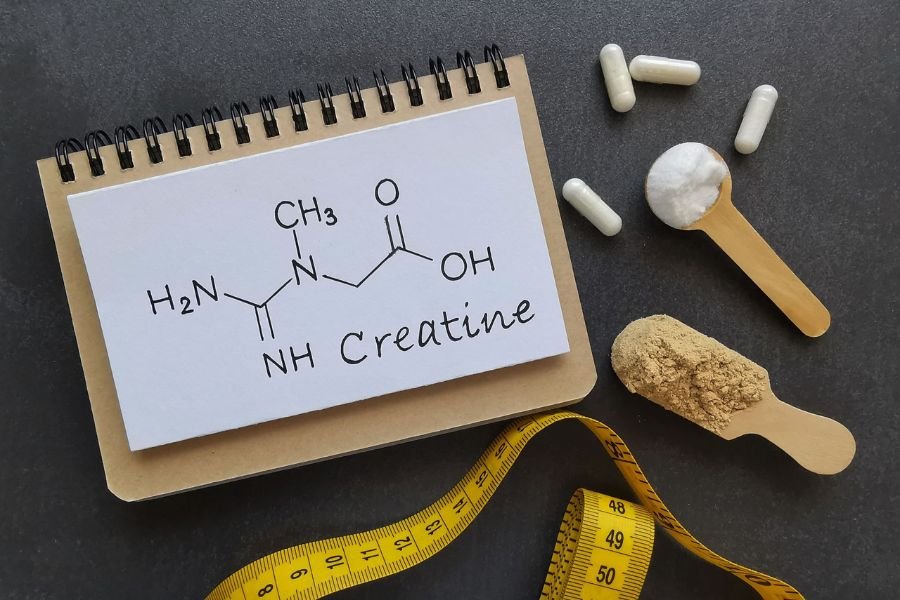
Boost Your Gains: How to Take Creatine Powder Right
Creatine powder is one of the simplest supplements to use, but figuring out exactly how to take creatine powder can still feel confusing. Do you need a loading phase? Should you take it before or after your workout? Is it better with food or on an empty stomach?
This guide walks you through everything in clear steps so you can get the benefits without overthinking the details.
Understand what creatine powder does
Creatine is a compound your body naturally stores in muscle cells. You use it as quick energy during short, intense efforts like heavy lifts, sprints, or explosive movements. Supplemental creatine helps increase those muscle stores so you can push harder and recover better.
According to the Cleveland Clinic, creatine supplements are commonly used to supply energy to skeletal muscles and support performance in high intensity exercise, especially weightlifting and sprinting, and creatine monohydrate is the most common form you will see on labels (Cleveland Clinic). When you pair creatine with regular resistance training, you can gain around two to four pounds of muscle mass over four to twelve weeks (Cleveland Clinic).
In other words, creatine does not build muscle for you, it simply gives your muscles more fuel so training and recovery feel more productive.
Choose the right type of creatine
You will see several versions of creatine in stores, but you do not need anything fancy.
Creatine monohydrate is the most studied form, it dissolves well in water, has a neutral taste, and is efficiently absorbed into muscle tissue (OstroVit). Sports dietitians also recommend looking for products that list creatine monohydrate as the only active ingredient and avoiding proprietary blends and unnecessary fillers (EatingWell).
For safety and purity, pick creatine that is third party tested. Experts advise choosing supplements that carry reputable certifications, especially if you use higher doses, to avoid contamination with heavy metals or other impurities (EatingWell, Men’s Health).
If you have a sensitive stomach, micronized creatine monohydrate, which is processed into smaller particles, usually mixes more smoothly and is often easier to digest (OstroVit).
Decide on your creatine dosage
There are two main approaches to dosing: loading plus maintenance, or steady daily use from day one.
A traditional protocol uses a short loading phase of about 20 to 25 grams per day for several days, split into smaller servings, then drops to a maintenance dose of 3 to 5 grams daily. Larger strength or power athletes sometimes use 5 to 10 grams per day as maintenance (Naked Nutrition). Studies show that acute creatine loading can increase fat free mass without harming blood pressure or key blood markers (WebMD).
However, a loading phase is not required. PhD Nutrition notes that starting with a steady daily dose of 5 grams is enough to achieve performance and muscle benefits over time, so you can skip loading if you prefer a simpler routine (PhD Nutrition). If you are taking creatine on an empty stomach, some experts suggest starting even lower, around 3 grams per day, to see how your digestion responds (OstroVit).
If you choose higher doses and notice side effects like cramping or stomach issues, you can also split your total into two or more smaller servings across the day.
Mix creatine powder the right way
One of the biggest advantages of creatine powder is how easy it is to add to your day.
PhD Nutrition recommends simply adding 5 grams of creatine monohydrate to water, BCAAs, or any other cold drink once a day. You can also use tablets or capsules if you prefer not to deal with powders (PhD Nutrition).
If plain water is not appealing, Everyday Health suggests several alternatives that still work well:
- Stir creatine into a homemade smoothie or 100 percent fruit juice
- Mix it with a protein shake made from whey, milk, or a plant based milk
- Add it to oats, yogurt, or even your morning coffee
These options let you pair creatine with other nutrients and can make the habit easier to stick with (Everyday Health).
Whatever you choose, make sure you also drink plenty of water. Creatine draws water into your muscles, which increases your overall hydration needs (Health). Staying well hydrated also helps reduce the chances of stomach upset and cramping (EatingWell).
Take creatine with food or on an empty stomach
You can safely take creatine on an empty stomach or with meals, and each option has tradeoffs.
According to Mount Sinai, you can take creatine first thing in the morning or while intermittent fasting, but some people will notice digestive issues like bloating, nausea, gas, diarrhea, or indigestion when they use it without food (Naked Nutrition). OstroVit notes that taking creatine in the morning on an empty stomach may help it reach your bloodstream faster, but it can cause discomfort for those with sensitive digestion (OstroVit).
On the other hand, taking creatine with food, especially carbohydrates or a mix of carbs and protein, can improve how much your muscles retain. Research has shown that pairing 5 grams of creatine with either a large carbohydrate serving or a combination of carbs and protein helps boost creatine storage in muscles (Health, WebMD). Nutrition experts recommend taking creatine with a meal that includes both carbohydrates and protein to optimize absorption and recovery (EatingWell).
If you are not sure where to start, try mixing creatine into a post workout shake or pairing it with a regular meal that already has some carbs and protein, like oatmeal with fruit and yogurt or rice and chicken.
Pick the best time of day for you
You might hear strong opinions about the perfect time to take creatine powder, but research does not show a single best time for everyone.
Several sources agree that the timing of creatine intake is less important than consistency. Naked Nutrition notes that muscle uptake is similar whether you take it in the morning, before your workout, or later in the day, and that mixed study results leave timing up to personal preference (Naked Nutrition). OstroVit also emphasizes that pre or post workout, morning or evening use can all work well if you take creatine daily, including on rest days, so your levels stay stable (OstroVit).
That said, there may be a small advantage to taking it close to your training session. Health suggests taking creatine either before or after your workout to help you reach fitness goals, and some experts believe post workout usage has a slight edge because muscles may take up more creatine right after exercise (Health, Men’s Health).
A practical way to decide:
- If you already drink a pre workout shake, add creatine there.
- If you prefer a post workout meal or shake, mix creatine into that instead.
- If you train at odd hours, simply choose a time you know you can repeat daily.
Sports dietitians stress that the top priority is not missing days. Regular daily intake, even on days you do not train, is more important than the exact time on the clock (Men’s Health, Health).
For creatine, consistency beats perfect timing. The best routine is the one you can follow every day without much effort.
Combine creatine with coffee or other drinks
If you are used to drinking coffee or pre workout before you train, you may wonder if it is safe to combine it with creatine.
Naked Nutrition explains that creatine is not a stimulant, so it is safe to take with coffee. Both caffeine and creatine can have a mild diuretic effect, so you simply need to pay attention to your total fluid intake and drink enough water to stay hydrated (Naked Nutrition).
Everyday Health also notes that creatine works well when mixed into a variety of liquids, including water, juices, smoothies, or protein shakes. Combining it with nutrient dense drinks like homemade smoothies or balanced shakes can improve your overall nutrient intake around workouts while keeping your creatine habit convenient (Everyday Health).
If you prefer simplicity, Health points out that water is perfectly fine, and you can also add creatine to your usual pre workout drink or smoothie without affecting absorption (Health).
Watch for side effects and stay safe
Most healthy adults tolerate creatine well, especially when they use sensible doses and drink enough water. Still, it is important to know what to look out for and when to adjust.
The Cleveland Clinic lists potential side effects that some people may notice, including upset stomach, dehydration, nausea, diarrhea, stomach pain, or muscle cramping. If you experience these, they recommend dividing your daily dose into smaller amounts taken throughout the day rather than one large serving (Cleveland Clinic).
OstroVit notes that excessive intake may lead to water retention, fatigue, muscle cramps, and rapid weight gain, especially if you use more than the typical maintenance dose for a long period (OstroVit). Mount Sinai and other resources also flag digestive symptoms when creatine is taken on an empty stomach for some people (Naked Nutrition).
Two simple ways to reduce side effects:
- Start with a moderate dose, around 3 to 5 grams per day, and only increase if needed.
- Take creatine with a meal or snack if you notice discomfort when using it on an empty stomach.
Before you begin, it is a good idea to talk with a healthcare provider or registered dietitian, especially if you have kidney issues, take medication, or have other health conditions. Multiple expert sources, including the Cleveland Clinic and EatingWell, recommend getting medical guidance to determine if creatine is safe for you and to fine tune your dose (Cleveland Clinic, EatingWell).
If you decide to stop taking creatine, your levels will gradually fall over several weeks. You can usually maintain the strength you gained through ongoing training, but you are less likely to keep adding muscle without continued supplementation (Cleveland Clinic).
Put it all together in a simple routine
Once you understand how to take creatine powder, the final step is turning it into an easy daily habit. Here is one straightforward way to structure your routine:
- Choose a pure, third party tested creatine monohydrate powder.
- Start with 3 to 5 grams per day, mixed in water, a shake, or a smoothie.
- Take it at roughly the same time each day, ideally tied to a meal or training.
- Pair it with carbohydrates and protein when possible to support uptake.
- Drink extra water throughout the day to stay well hydrated.
- If you notice side effects, split your dose or take it with food, and lower the amount if needed.
Stick with this approach consistently for at least a few weeks. Creatine works by saturating your muscles over time, not by delivering an immediate one time boost. Once you find a routine that fits your schedule and your stomach, using creatine powder becomes as simple as brushing your teeth, just one more small habit that helps you get more from every workout.
About The Author