Get Stronger Shoulders with These Simple Home Shoulder Workouts
Building stronger shoulders doesn’t require an expensive gym membership. In fact, home shoulder workouts can be just as effective for adding strength and stability to one of your body’s most important joints. Whether you’re using your own bodyweight, resistance bands, or a pair of dumbbells, you’ll quickly feel the benefits of regular shoulder training—greater range of motion, improved posture, and more power during everyday tasks.
Below is a simple guide to help you maximize your home shoulder workouts and take your upper-body strength to the next level.
Warm up first
You might be eager to dive into your workout, but warming up properly is essential for keeping your shoulders healthy. A quick warmup increases blood flow, loosens the muscles and joints, and reduces the chance of injury. Taking a few minutes to prepare sets the tone for a safe and productive session.
A short sequence to activate your shoulders might include:
- Shoulder rolls: Stand tall and roll your shoulders forward for 10 seconds, then roll them backward for 10 seconds.
- Arm circles: Extend your arms out to your sides, at shoulder height, and rotate them in small circles. Gradually increase the circle size until you’re making large, controlled circles.
- Scapular squeezes: Gently draw your shoulder blades together and hold for a couple of seconds. Release and repeat for at least 10 reps.
After these moves, your shoulders will feel warm and primed for action.
Rely on bodyweight moves
If you’re just starting your home shoulder workouts—or you want an equipment-free challenge—bodyweight exercises can still provide a solid workout. These moves zero in on your deltoid muscles (the shoulder caps) and supporting muscles around the rotator cuff.
Push-ups are a classic bodyweight exercise that engages your shoulders from a variety of angles. To emphasize the deltoids a bit more, shift your hands slightly forward of shoulder level. You can also try pike push-ups for an added challenge. In a pike push-up, your hips are elevated and your torso is angled downward, allowing more of your bodyweight to load the shoulders.
If traditional push-ups feel too intense, start with modified push-ups on your knees. Gradually progress by increasing the range of motion or aiming for more reps. The key is to keep your movement slow and controlled. This helps develop better shoulder stability and prevents unnecessary strain on the joint.
Strengthen with resistance bands
Resistance bands are cost-effective, portable, and surprisingly versatile for working your shoulders. They provide consistent tension through the entire range of motion, making them a great option if you want to work every angle of your shoulder without putting excessive stress on the joints.
One of the simplest band exercises is the lateral raise. Stand on the band with your feet hip-width apart and hold the handles by your sides. Keeping a slight bend in your elbows, raise your arms straight out to the sides until they’re parallel to the floor. Pause briefly, then lower to the starting position. This movement targets the middle of your deltoids and helps you sculpt rounded, balanced shoulders.
Front raises and reverse flyes can also help your shoulders look and feel stronger. For a front raise, bring your arms forward until they reach shoulder level, engaging your front delts. To work the rear delts, switch to reverse flyes by hinging forward slightly at the waist, arms extended toward the floor, and then pulling your arms out to your sides in a “flying” motion. These simple band variations allow you to target different areas of the shoulder without needing multiple machines or heavy weights.
Lift with dumbbells
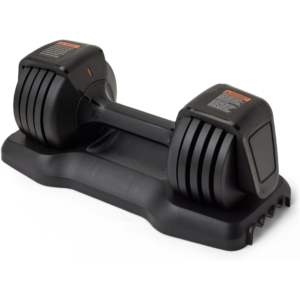
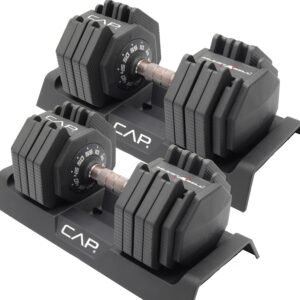
If you have dumbbells at home, you have even more opportunities to challenge and strengthen your shoulders. Dumbbells allow you to tailor the weight to your current fitness level while continuing to build strength over time.
An overhead press is essential for your shoulder routine. Sit or stand with a dumbbell in each hand at shoulder height, palms facing forward. Press the weights directly upward, fully extending your arms without locking your elbows. Slowly lower the dumbbells back to the starting position. Keep your core tight and spine neutral so you don’t overarch your back during the movement.
For a well-rounded workout, consider adding lateral raises, front raises, and bent-over reverse flyes into your repertoire. Aim for smooth, deliberate lifts and maintain good posture throughout every motion. Your shoulders will benefit more from controlled reps than from swinging the weights quickly, and you’ll also protect your joints by avoiding abrupt movements.
Focus on recovery
Training your shoulders consistently is key, but so is giving them proper rest and recovery. Shoulder muscles may feel tight or fatigued the day after a lifting session. Refreshing them with gentle stretches and techniques like foam rolling can speed recovery and reduce soreness.
A favorite stretch is the cross-body shoulder stretch. Bring one arm across your chest at shoulder height. Use your opposite hand or forearm to gently pull the outstretched arm closer to your body. You should feel a mild stretch along the back of the shoulder. Hold for 15–30 seconds before switching sides. Foam rolling around the upper back and shoulder blades also loosens tight spots, improving overall mobility.
Allow at least one day of rest between intense shoulder sessions, or shift to a different muscle group the next day. If you feel persistent pain or discomfort in your joints, consider consulting a fitness professional or healthcare provider for personalized advice.
Stay consistent for lasting gains
Building stronger shoulders at home boils down to consistency. Schedule your home shoulder workouts just like any other appointment, and make them a regular part of your routine. Track your progress by noting how many reps you can handle or how much weight you can press.
Over time, slowly increase your workload. This might mean more reps, more sets, or heavier resistance bands or dumbbells. Small, steady improvements are more sustainable—and safer—than jumping up in weight too quickly. Remember to keep your form correct, as sloppy technique can negate your progress and increase your injury risk.
Motivational reminder
“Progress is not always measured by big leaps but by small steps in the right direction.”
Keep this in mind as you commit to seeing real changes in your shoulders. Every rep counts toward building a stronger, more functional upper body.
Conclusion
Home shoulder workouts don’t need a lot of bells and whistles. You can genuinely transform your shoulder strength with bodyweight moves, resistance bands, and a pair of reliable dumbbells—all in the comfort of your home. The trick is to warm up effectively, choose exercises that target different angles of your shoulders, and devote time each week to both training and recovery.
When you give your shoulders consistent attention, you’ll notice improvements in daily tasks that require lifting or reaching—and you’ll feel a boost of confidence in how you carry yourself day to day. Grab whatever equipment you have (or go bodyweight-only), and start reaping the benefits of strong, resilient shoulders right from home.
About The Author