Transform Your Legs With This Hamstring Workout Without Equipment
A strong hamstring workout without equipment can reshape your legs, improve your posture, and protect your knees, all without stepping into a gym. Your hamstrings are responsible for powerful movements like running, climbing stairs, and lifting things off the floor, so keeping them strong pays off in everyday life, not just in workouts.
Below, you will find simple, clear steps to train your hamstrings at home using only your body weight and common household surfaces.
Why your hamstrings matter
Your hamstrings run along the back of your thighs, from your hips to just below your knees. They help you bend your knees and extend your hips, which is what you do when you walk uphill, get up from a low chair, or sprint for the bus.
According to physical therapist Alice Holland, DPT, your hamstrings play a key role in slowing down your quadriceps when you run and walk. That deceleration helps protect your knees and gives you power for tasks like climbing stairs, curbs, and hills. When your hamstrings are weak, your quads take over, which can contribute to knee pain and a higher risk of injury.
The good news is that you can address weak hamstrings at home. Experts point out that you can build strength and reduce muscle imbalances by combining bodyweight moves and hip hinging exercises, no machines required.
Benefits of a hamstring workout without equipment
A hamstring workout without equipment sounds basic, but it offers a long list of benefits when you stick with it.
You can expect to:
- Build strength and muscle definition in the back of your thighs
- Improve balance and stability in everyday movements
- Support your knees and lower back
- Enhance performance in walking, running, and sports
- Train safely at home using minimal space
Research highlighted in a 2024 Healthline piece notes that with just body weight, you can create effective hamstring workouts for every fitness level, from beginners to advanced exercisers. A June 2024 article on BODi.com adds that these exercises can sculpt your hamstrings and improve functional fitness without a barbell or weightlifting rig, and that you only need a small workout area to get started.
How often to train your hamstrings
Your hamstrings respond well to consistency. You do not need to work them every day, but you do need enough total sets each week.
Workout plans described by Healthline and BODi suggest that performing around 10 to 16 sets of hamstring exercises per week is a sweet spot for strength and injury prevention. Interestingly, the research they reference shows that the total weekly volume matters more than whether you split it into several sessions or one focused leg day.
You can use this as a guide:
- Beginners: 2 sessions per week, 4 to 6 sets per session
- Intermediate: 2 to 3 sessions per week, 4 to 8 sets per session
- Advanced: 3 sessions per week, 5 to 8 sets per session
Listen to your body, especially your knees and lower back. Mild muscle soreness is normal, sharp or joint pain is a signal to stop and adjust.
Aim for quality over quantity. Controlled reps with good form will help your hamstrings more than fast, sloppy sets.
Warm up before you start
Before you dive into your hamstring workout without equipment, take 5 to 10 minutes to warm up. This raises your body temperature, activates the muscles around your hips and knees, and reduces the chance of pulling a tight hamstring.
You can try a short sequence like this:
- March in place or walk briskly for 2 minutes.
- Do 10 to 15 bodyweight squats, focusing on slow, smooth movements.
- Perform 10 leg swings per leg, gently moving your leg forward and back while holding onto a wall or chair.
- Finish with 10 hip hinges, pushing your hips back and keeping a flat back, like the start of a deadlift.
Once you feel warm and mobile, you are ready for the main workout.
Best beginner hamstring exercises without equipment
If you are new to strength training or returning after a break, start with beginner friendly moves. These help you learn to hinge at your hips and contract your hamstrings without overwhelming your joints.
Good morning
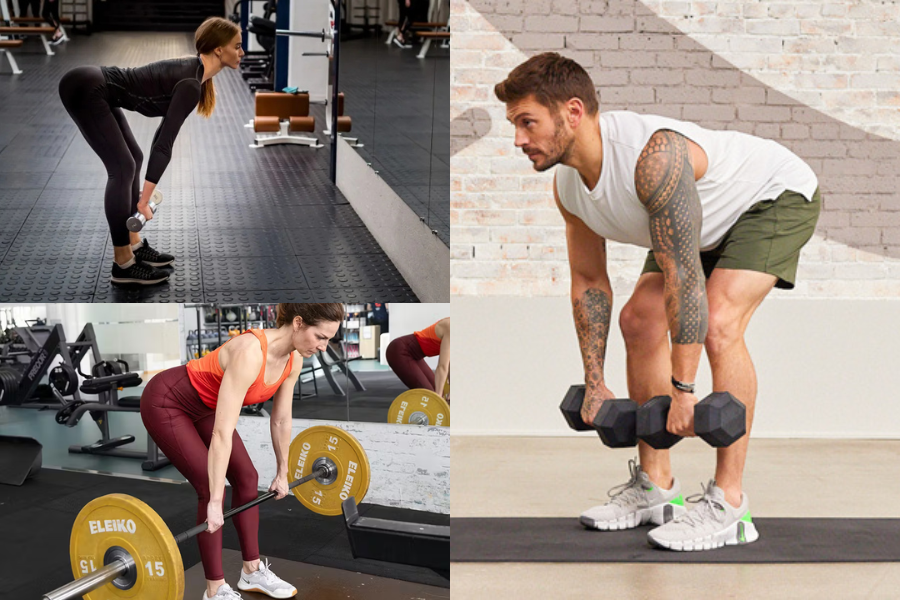
Good mornings are a classic bodyweight hamstring exercise that teach you the hip hinge pattern.
- Stand with your feet under your hips.
- Place your hands behind your head or cross your arms over your chest.
- Soften your knees slightly, then push your hips back as if you are closing a car door with your backside.
- Keep your back flat and your chest lifted as you lean your torso forward.
- Stop when you feel a stretch in your hamstrings, then squeeze your glutes and hamstrings to return to standing.
Move slowly, and avoid rounding through your lower back. Fitness experts note that this simple move effectively stretches and strengthens your hamstrings without equipment and is ideal for home workouts.
Glute bridge
Glute bridges target your hamstrings and glutes while keeping your back supported on the floor.
- Lie on your back with your knees bent and feet flat on the floor, hip width apart.
- Place your arms by your sides with your palms facing down.
- Press through your heels to lift your hips until your body forms a straight line from shoulders to knees.
- Hold for a second at the top, squeezing your glutes and hamstrings.
- Lower your hips slowly back to the floor.
To make this more hamstring focused, walk your feet a little farther away from your body. Keep your ribs pulled down so you do not overarch your lower back.
Bodyweight squat
Squats are not just for your quads. When you sit back into your hips, your hamstrings help control the movement and support your knees.
- Stand with your feet shoulder width apart.
- Reach your arms forward for balance if needed.
- Push your hips back and bend your knees as if you are sitting into a chair.
- Keep your chest up and your heels on the floor.
- Lower until your thighs are roughly parallel to the ground, then push through your heels to stand.
As your form improves, you can slow down the lowering phase to increase hamstring and glute engagement.
Intermediate bodyweight hamstring moves
Once the beginner exercises feel comfortable and you can complete 3 sets of 12 to 15 reps with control, you can move to single leg variations. These build strength, balance, and stability.
Reverse lunge
Reverse lunges are easier on your knees than forward lunges and challenge each leg individually.
- Stand tall with your feet hip width apart.
- Step your right foot back, landing on the ball of your foot.
- Bend both knees to lower your body. Your front knee should stay above your ankle.
- Press through your front heel to return to standing.
- Repeat on the other side.
Your front hamstring helps you stabilize and push back to the start. Keep your torso upright and your stride long enough that your front shin stays close to vertical.
Single leg Romanian deadlift
This move trains your hamstrings, glutes, and balance at the same time.
- Stand on your right leg with a soft bend in your knee.
- Hinge at your hips, sending your left leg straight back behind you.
- Keep your hips and shoulders square to the floor.
- Lower your torso until you feel a stretch in your right hamstring.
- Drive through your right foot to return to standing.
Trainers describe the one leg deadlift as a powerful option for building hamstring strength and balance without weights. If you wobble at first, lightly touch a wall or chair for support until you feel steadier.
Step up
Step ups simulate climbing stairs and target your hamstrings, glutes, and quads.
- Stand facing a sturdy chair, bench, or step.
- Place your right foot fully on the surface.
- Press through your right heel to lift your body up, bringing your left foot to meet your right.
- Step back down with your left foot, then your right.
- Repeat for all reps on one side before switching.
Focus on using the working leg on the step rather than pushing off the leg on the floor.
Advanced hamstring exercises without equipment
If you are already active and want a challenge, advanced moves increase tension on your hamstrings and require more control. Make sure you have a solid base of strength before you try them.
Bulgarian split squat
Bulgarian split squats are a tough variation of the lunge that load your front leg heavily.
- Stand about two feet in front of a low bench, chair, or couch.
- Place the top of your back foot on the surface behind you.
- Shift your weight into your front heel.
- Bend your front knee to lower your body.
- Push through your front heel to return to standing.
The more you hinge your torso slightly forward and sit back into your front hip, the more your hamstring and glute have to work. Keep your front knee tracking in line with your toes.
Jump squat
Jump squats add power and help build explosive strength. They use your hamstrings, glutes, and calves together.
- Start in a regular squat position.
- Squat down, loading your hips and legs.
- Drive through your feet to jump straight up.
- Land softly with bent knees and move right into your next squat.
Limit the number of reps at first, and stop if your landings become noisy or stiff. Quality landings protect your joints.
Nordic curl (assisted)
Nordic hamstring curls are very demanding and are often used in sports training to reduce hamstring injuries. You can do a basic version at home with a partner or by anchoring your feet under sturdy furniture.
- Kneel on a soft surface with your feet anchored.
- Keep your body straight from head to knees.
- Slowly lean your body forward, resisting with your hamstrings.
- When you cannot control the descent, catch yourself with your hands.
- Use your hands to help push yourself back up to the starting position.
This eccentric, or lowering, emphasis is what makes Nordic curls so effective. A 2024 Healthline review notes that advanced movements like this can be part of a bodyweight routine that significantly reduces hamstring injury risk when used consistently.
Sample hamstring workout without equipment
If you want a ready to go plan, you can use this simple structure two or three times per week. Rest 30 to 60 seconds between sets and 60 to 90 seconds between exercises.
| Level | Exercise | Sets x Reps |
|---|---|---|
| Beginner | Good Morning | 3 x 12–15 |
| Glute Bridge | 3 x 12–15 | |
| Bodyweight Squat | 3 x 10–12 | |
| Intermediate | Reverse Lunge (each leg) | 3 x 10–12 |
| Single Leg Romanian Deadlift (each leg) | 3 x 8–10 | |
| Advanced | Bulgarian Split Squat (each leg) | 3 x 8–10 |
| Jump Squat | 3 x 8–10 | |
| Nordic Curl (assisted) | 2–3 x 5–8 (slow) |
If this feels like too much at first, cut the sets in half and gradually build up over a few weeks as your strength and confidence grow.
Safety tips and form checks
Good form keeps the focus on your hamstrings and protects sensitive joints. As you work through your hamstring workout without equipment, keep these checks in mind:
- Keep your spine neutral, avoid rounding your lower back when you hinge.
- Push your hips back instead of letting your knees slide far past your toes.
- Press through your heels in most lower body moves to engage your hamstrings and glutes.
- Move slowly and with control, especially on the way down in deadlifts and lunges.
- Stop if you feel sharp pain in your knees or back, and adjust your range of motion.
If you have a history of knee or back issues, it is a good idea to check with a healthcare professional or physical therapist before starting a new routine.
Putting it all together
You do not need machines or a gym membership to build strong, defined hamstrings. With a thoughtful hamstring workout without equipment, you can strengthen the back of your legs, support your knees, and move more powerfully through your day.
Start with two or three exercises from the beginner list, then add intermediate and advanced moves as you feel ready. Commit to your routine for a few weeks, and you will notice the difference when you climb stairs, walk uphill, or stand up from low seats.
About The Author