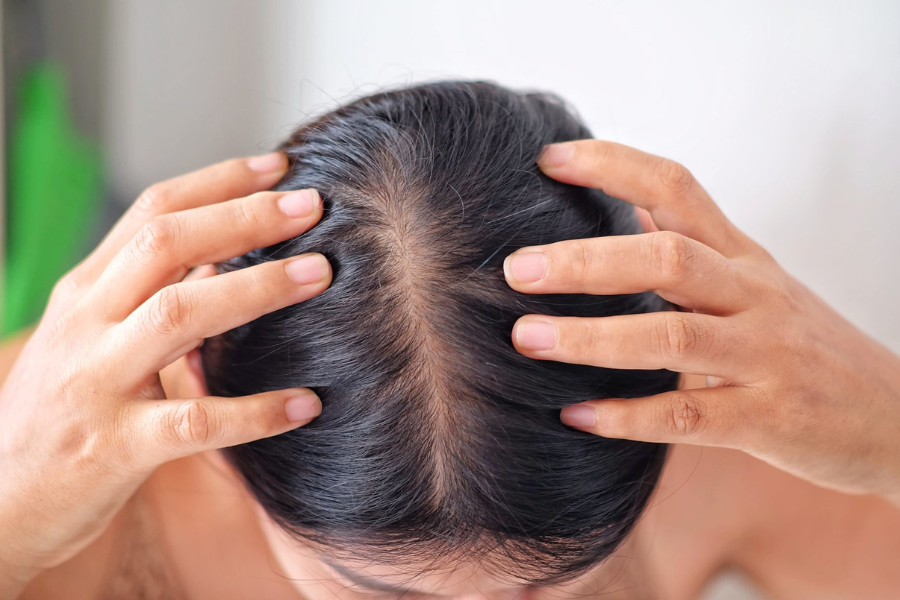
Hair Growth Supplements That Give Your Hair New Life
A full bottle of hair growth supplements promises thicker, stronger, shinier hair with just a few pills a day. Some products really can support healthier growth, especially when you are low in key nutrients. Others are expensive placebos that might even work against you.
This guide walks you through how hair growth supplements work, what ingredients actually have evidence behind them, where the risks are, and how to choose a product that fits your needs instead of falling for hype.
Understand how hair grows
Before you decide if hair growth supplements are worth it, it helps to know how your hair actually grows.
Each hair on your head cycles through three main phases:
- Anagen (growth phase). This lasts about 2 to 7 years. Around 85 to 90 percent of your hair is in this phase at any given time, growing roughly 1 centimeter per month (Nutrova).
- Catagen (transition phase). A brief 2 to 3 week period when growth stops and the follicle shrinks.
- Telogen (resting and shedding phase). Lasts about 3 months. At the end, the hair sheds and a new hair begins to grow.
Hair growth supplements do not create new hair follicles. Instead, they aim to:
- Nourish follicles during the anagen phase so your hair can grow to its full potential
- Extend anagen so you shed less
- Improve hair shaft quality so your hair breaks less and looks fuller (Nutrova)
You will not see instant overnight changes. Even if a supplement is working, early results usually look like less shedding and stronger strands, not sudden inches of growth.
When hair growth supplements can actually help
Supplements are most useful when your hair is struggling because your body is missing something it needs.
Research shows that hair growth supplements can help when you have documented deficiencies in nutrients such as vitamin D, zinc, hemoglobin, iron, or ferritin (University Hospitals, Harvard Health Publishing). In these cases, replacing what is missing can support regrowth and reduce shedding.
You are more likely to benefit if:
- You have heavy periods or follow a restrictive diet and are low in iron
- You get little sun exposure and have low vitamin D
- You do not eat enough protein, healthy fats, fruits, and vegetables
- A blood test shows low ferritin, iron, or vitamin D
In one clinical trial, women with self‑perceived thinning hair who took a marine based oral supplement (Viviscal Maximum Strength) saw the number of terminal hairs rise from 271 at baseline to 571 after 90 days and 609.6 after 180 days, while the placebo group saw no meaningful change (The Journal of Clinical and Aesthetic Dermatology). The women also reported better hair volume, scalp coverage, and hair body thickness, along with improvements in shine and skin moisture, and no adverse events were reported over six months.
There is a catch. Not all thinning hair is caused by nutrition problems. Hair loss from thyroid disease or autoimmune conditions, for example, does not improve with supplements alone unless the underlying issue is treated (MedicineNet).
If your hair loss is sudden, patchy, or accompanied by other symptoms like fatigue, weight changes, or menstrual changes, it is important to talk to a doctor before assuming a supplement will fix it.
Key nutrients that support hair growth
You will see long ingredient lists on hair growth supplements, but a smaller group of nutrients has the most consistent support in research.
Vitamin D
Vitamin D plays an important role in healthy hair follicle development. Correcting a deficiency has led to successful regrowth in some cases (ISHRS). At the same time, in regions where vitamin D deficiency is common, adding a supplement does not always produce dramatic hair changes.
What this means for you: it is worth checking your vitamin D level if your hair is shedding more than usual. Supplementing based on lab results, not guesswork, is the safer and more effective path.
Iron and ferritin
Iron deficiency is the most common nutritional deficiency worldwide and is frequently identified in women with hair loss (ISHRS). Low iron, and especially low ferritin, can be linked with increased shedding, although the relationship is still debated.
Correcting iron deficiency, through supplements and iron rich foods like red meat and leafy greens, can support healthy hair growth when your levels truly are low (Life Extension).
Because too much iron can be toxic and cause digestive side effects like constipation and stomach upset, you should only take iron supplements if blood work confirms deficiency (Everyday Health).
Vitamin C
Vitamin C matters for hair mostly because it improves iron absorption and supports collagen formation. The International Society of Hair Restoration Surgery (ISHRS) notes that vitamin C, along with vitamin D and iron, has some of the better evidence among hair related nutrients (ISHRS).
You can often get enough vitamin C from foods like citrus fruits, berries, and peppers. In a supplement, it is typically included at moderate doses.
Biotin
Biotin is probably the most famous “hair vitamin,” and it shows up in almost every hair growth supplement. The reality is more nuanced:
- Biotin is essential for healthy hair, but true biotin deficiency is extremely rare, usually related to a specific genetic condition called biotinidase deficiency (ISHRS).
- There is no strong evidence that biotin pills help hair grow if you are not deficient (ISHRS).
- High doses of biotin can interfere with lab tests, including thyroid and heart function tests, which can lead to inaccurate results and misdiagnoses (Everyday Health, Harvard Health Publishing).
Many hair, skin, and nail products pack biotin at 100 percent up to 33,333 percent of the daily recommended value, far more than you need (Everyday Health). If you decide to use biotin, choosing reasonable doses and telling your doctor about it before lab tests is important.
Other vitamins and minerals
Supplements often include vitamin A, vitamin E, zinc, selenium, and B vitamins like B2, B3 (folate), and B12. All of these play roles in general health and hair biology, but the evidence that taking extra will fix hair loss is inconsistent. In fact, too much vitamin A or selenium can increase hair loss and create toxicity issues (Harvard Health Publishing).
For most people, a balanced diet provides enough of these nutrients for healthy hair. Supplements are more of a backup plan for confirmed deficiencies than a shortcut to amazing hair.
Popular hair growth supplements and what the science says
Beyond single nutrient vitamins, you will see many multi ingredient hair growth supplements marketed specifically for women.
Some, like Nutrafol and Viviscal, have clinical research showing reduced shedding and improved growth in certain individuals, but dermatologists do not universally recommend them because results are inconsistent across users (University Hospitals).
A few ingredients that come up often:
- Marine collagen and marine complexes. The AminoMar C marine complex in Viviscal, which includes proteins and glycosaminoglycans from shark and mollusk powder plus silica and vitamin C, significantly increased hair counts and improved self rated hair appearance in a controlled trial of women with thinning hair (The Journal of Clinical and Aesthetic Dermatology).
- Saw palmetto. This botanical supports healthy levels of dihydrotestosterone (DHT), a hormone involved in the hair cycle. A randomized, double blind, placebo controlled study found improved hair thickness and reduced shedding in participants taking saw palmetto extract (Life Extension). However, saw palmetto may pose teratogenic risks in pregnancy because it affects hormone pathways, and current supplement labels are not required to carry pregnancy warnings (NCBI).
- Wheat phytoceramides. In one clinical study, up to 64 percent of women taking wheat phytoceramides had measurable improvements in hair density and volume, and 85 percent reported less shedding, faster growth, and better hair health after 12 weeks (Life Extension).
- Collagen peptides. Early research suggests collagen peptides may help reduce thinning and shedding by supporting hair follicle tissues and new hair shaft production, although this is largely preclinical so far (Life Extension).
It is worth remembering that the beauty supplement market is huge. It was valued at 3.5 billion dollars in 2016 and projected to reach 6.8 billion dollars by 2024, and yet the safety profiles and long term effects of many products are still not fully understood (NCBI).
How long it takes for hair growth supplements to work
Because hair grows slowly, you need patience with any supplement routine.
Clinical and expert reports suggest:
- You may notice less shedding and stronger hair texture within 2 to 3 months of consistent use (Nutrova).
- Visible improvements in hair density and growth rate often appear after 3 to 6 months (Nutrova).
- Some sources note that full results may take one to five years, since hair normally grows only about half an inch per month (MedicineNet).
Early on, you might see changes such as shinier, more moisturized hair and less brittleness, because your scalp’s oil glands become more active and the hair fiber itself is better nourished (MedicineNet).
If you are not willing to commit to at least three to six months of daily use, you may never see the benefits that a supplement could offer you.
A useful rule of thumb: if you do not notice any reduction in shedding or improvement in hair quality after 4 to 6 months of consistent, doctor guided supplementation, it is time to reassess your plan with a professional.
Risks and side effects you should know about
“Natural” or “vitamin” does not automatically mean risk free. Many hair growth supplements contain megadoses and multiple active ingredients that can create problems if you are not careful.
Some of the key concerns include:
- Nutrient overload. Too much selenium or vitamin A can actually trigger hair loss, and high doses of vitamin A or iron can be toxic (Harvard Health Publishing). Since many products stack nutrients on top of what you already get from food, it is easy to overshoot safe levels.
- Digestive issues. Iron, a common ingredient in hair supplements, can cause constipation, stomach pain, and nausea at high doses (Everyday Health).
- Allergic reactions. Some products contain known allergens that can trigger reactions, including in rare cases severe anaphylaxis (Everyday Health).
- Biotin and lab tests. As mentioned earlier, high dose biotin can interfere with lab tests for thyroid, hormones, and heart function, which can complicate diagnosis and treatment (Everyday Health, Harvard Health Publishing).
- Long term selenium use. Taking selenium at 200 to 300 micrograms per day over the long term has been linked with higher all cause mortality, more type 2 diabetes, hyperglycemia, and dyslipidemia in some studies (NCBI).
- Hormonal ingredients. Compounds like saw palmetto can affect hormone pathways and may pose risks in pregnancy, yet pregnancy warnings are not required by current supplement labeling rules (NCBI).
On top of all this, it is important to remember that in the United States, supplements are regulated as foods, not drugs. The Food and Drug Administration does not require proof of safety or effectiveness before these products are sold, so you are relying largely on brand integrity and available research (NCBI).
Whenever possible, involve your doctor, especially if you:
- Take prescription medications
- Have a chronic condition
- Are pregnant, trying to conceive, or breastfeeding
- Have a history of allergies
How hair growth supplements compare with medical treatments
It can help to see hair growth supplements within the bigger picture of hair loss treatments.
Two of the most studied options are medications:
- Minoxidil (Rogaine). Available as a topical foam, liquid, or oral drug, minoxidil stimulates hair growth, thickens thinning hair, and slows hair loss, likely by improving blood flow to follicles and extending the growth phase. It is very effective for treating androgenetic alopecia, the most common form of hair loss, and works well for about two thirds of users, especially those under 40 who are early in their hair loss journey (University Hospitals).
- Finasteride (Propecia). An oral medication that lowers levels of DHT, the hormone that shrinks hair follicles in male pattern baldness. It is FDA approved for men and effective for most male patients, and is sometimes prescribed off label for post menopausal women, although sexual and other side effects need to be monitored with a physician (University Hospitals).
Hair growth supplements sit in a different category. They are generally gentler but also less powerful and less predictable. They are best used as supporting players, not your only strategy, especially if your hair loss clearly follows a pattern like male or female pattern baldness.
There is also promising future research, such as stem cell therapies that aim to reactivate dormant follicle stem cells to stop hair loss and promote regrowth, though these are not mainstream treatments yet (University Hospitals).
Smart steps before you start a hair growth supplement
If you are thinking about adding hair growth supplements to your routine, a little planning can help you get better results and avoid unnecessary risks.
-
Get your labs checked
Ask your doctor about testing your ferritin, iron, vitamin D, and possibly B12 and thyroid function. Address proven deficiencies first. In many cases, fixing these with targeted supplements and diet changes will give your hair the boost it needs (Harvard Health Publishing). -
Evaluate your diet and lifestyle
A balanced diet delivers most of the nutrients your hair needs, and true vitamin deficiencies that cause hair loss are relatively rare outside of specific situations like heavy menstruation or very low sun exposure (ISHRS). Protein, healthy fats, colorful produce, and adequate calories all matter. Stress management and sufficient sleep support hair as well. -
Read labels critically
Look for products that avoid megadoses, especially of vitamin A, selenium, and high dose biotin. Be wary of formulas that stack long lists of ingredients without clear evidence. If a supplement contains iron, make sure you truly need it. -
Set realistic expectations and timelines
Commit to at least 3 to 6 months before judging results, and track changes in shedding, breakage, and overall quality. Hair supplements are not instant fixes, and in cases of medical hair loss they may be only a small part of your solution (MedicineNet). -
Stay in touch with your doctor
Let your healthcare provider know exactly what you are taking, especially if you are scheduled for lab work. If you notice side effects like rashes, digestive issues, or sudden changes in health, stop the supplement and seek medical advice.
Hair growth supplements can absolutely give your hair new life when they are chosen thoughtfully and used for the right reasons. By focusing on evidence based ingredients, confirmed nutrient needs, and realistic timelines, you put yourself in a much better position to see healthier, fuller hair without putting the rest of your health at risk.
About The Author