Unlock Your Potential with Great Back Workouts for Men
A strong, well developed back does a lot more than fill out your T shirt. Great back workouts for men can ease stubborn aches, protect your spine, and boost your performance in almost every lift you do. With the right mix of exercises and smart programming, you can build a powerful back that looks impressive and feels better day to day.
Below, you will learn how your back works, which movements matter most, and how to turn that knowledge into simple, effective routines you can actually stick with.
Why back training matters for men
If you spend long hours sitting, scrolling, or working at a desk, your back is taking the hit. Your shoulders round forward, your upper back tightens, and your lower back works overtime to keep you upright.
Consistent back training helps reverse that pattern. In one 16 week back workout program, men who had experienced chronic back pain for around two years reported less discomfort after sticking to a structured routine, highlighting how regular strength work can reduce pain over time. Pulling movements also open your chest, improve posture, and make everyday tasks like lifting groceries or playing with your kids feel easier.
On the performance side, a strong back stabilizes almost every major lift. It supports your bench press, anchors your squats and deadlifts, and adds power to athletic movements like sprinting and jumping. If you want to unlock your strength potential, your back is not optional, it is central.
Key back muscles you need to train
To build great back workouts for men, it helps to know which muscles you are actually targeting and what they do for you.
Primary muscle groups
You will focus on four main areas:
- Latissimus dorsi (lats): The large, wing like muscles that give you a V shaped upper body. They are your primary pulling muscles and play a big role in pull ups and rows.
- Trapezius (traps): Run from your neck down into the mid back. They help you shrug, stabilize your shoulders, and keep your posture upright.
- Rhomboids and rear delts: Smaller muscles between and around your shoulder blades. They control scapular movement and are essential for healthy shoulders.
- Erector spinae and lower back: The muscles that run along your spine. They help you stand tall, hinge at the hips, and protect your lower back.
A comprehensive back workout should hit all of these, which is why you will see both vertical pulling (like pull ups) and horizontal pulling (like rows) in most effective routines. Combining both patterns targets different parts of your back and makes it hard to leave anything out.
Benefits backed by research
Great back workouts for men are not just about aesthetics. There is solid evidence that smart back training can improve your health and quality of life.
Less pain and better spinal health
Back pain is extremely common. According to Arthritis Research UK, around 10 million people in England and Scotland live with persistent back pain, and up to 60 to 80 percent of adults in Western countries will experience low back pain at some point in their lives. Exercise is considered an essential part of self treatment for this type of pain.
Deadlifts in particular have been shown to:
- Decrease lower back pain and improve quality of life when performed with proper form
- Strengthen the erector spinae, glutes, and hamstrings, which support your spine and reduce stress on your lower back, as highlighted in a 2021 systematic review in Sports Medicine
- Stimulate bone density and help maintain intervertebral disc health, which is especially helpful as you age
A 12 to 16 week deadlift focused training plan has even been found more effective than general exercise for reducing pain and disability in people with chronic low back pain, with no rise in adverse effects, when performed correctly and progressed sensibly.
Better posture and daily function
Back exercises also help you sit and stand taller. Strengthening the upper back and lats counteracts the rounded shoulders you get from hunching over a laptop, which improves spinal alignment and reduces your injury risk if you have a sedentary lifestyle.
Pull ups and rows also train the smaller stabilizing muscles around your shoulder blades. This support makes overhead work, throwing motions, and even simple actions like reaching into a high cabinet feel more stable and controlled.
Foundational movement patterns to master
Before you dive into specific routines, it helps to group back training into four main patterns. Building your workouts around these will keep things simple and well balanced.
1. Hip hinge
The hip hinge teaches you to bend at the hips while keeping a neutral spine. It is the foundation for deadlifts, Romanian deadlifts, and good mornings. Done well, it strengthens your entire posterior chain, including your lower back, glutes, and hamstrings.
2. Vertical pulling
These are movements where you pull your body or a weight up and down, like pull ups and lat pulldowns. They emphasize your lats and help create that wide, V shaped torso many men want.
3. Horizontal pulling
Rows fall into this category. You pull a weight toward your torso, which trains your mid back, rhomboids, and rear delts. Rows are great for posture and shoulder health.
4. Loaded carries
Carrying heavy weights while walking, like farmer’s carries, challenges your entire back, grip, and core. These build real world strength that you feel outside the gym.
If your weekly plan includes at least one exercise from each of these categories, you are giving your back a complete and effective stimulus.
The best back exercises for men
You do not need a complicated list of twenty moves to see progress. A handful of proven exercises will cover almost everything you need for great back workouts for men.
Deadlift and deadlift variations
Deadlifts are one of the most efficient full body lifts you can do. You will work your lower back, glutes, hamstrings, upper traps, and lats, and you will also train your grip and core stability. Because deadlifts are so demanding, it usually makes sense to do them first in your workout while you are fresh.
Variations like Romanian deadlifts and sumo deadlifts shift the emphasis more toward the hip extensors and glutes, which can help improve hip mobility, balance out strength imbalances, and reduce stress on your lumbar spine.
Bent over rows and Pendlay rows
The bent over row is a cornerstone back builder. With proper form, it targets your upper and lower back, lats, traps, and spinal erectors, and it demands solid core stability. Starting your session with heavier, lower rep sets of bent over rows is a reliable way to build thickness across your mid and upper back.
Pendlay rows are a stricter variation. You reset the bar on the floor between reps, which eliminates momentum and forces your back muscles to do all the work. This requires more explosive power from your upper and lower back and can be especially useful if you struggle to feel your back working during traditional rows.
Pull ups and pulldowns
Pull ups are one of the most effective exercises for targeting your lats and teres major, and they are extremely useful for building width through your upper back. Grip makes a difference here:
- Wide grip emphasizes the upper lats
- Close grip or neutral grip gives you a greater range of motion and can be friendlier on your shoulders
If you cannot yet perform full bodyweight pull ups, you can use resistance band assisted pull ups, ring rows, or lat pulldowns to build strength through the same pattern while you progress.
T bar rows and chest supported rows
T bar rows allow you to load up heavier weights than many other rowing variations. You can use a narrow grip to target the lats more or a wider grip to shift emphasis to your mid back. Because you still hinge at the hips, form is crucial to avoid overloading your lower back.
Chest supported rows solve that problem by giving your torso a solid base to rest on. With your chest supported, your lower back can relax and you can focus purely on your upper back. These are great later in the workout with moderate to higher reps when you want to push your back muscles hard without worrying about your spinal stabilizers fatiguing.
Dumbbell rows, pullovers, and carries
If you train at home or prefer dumbbells, you still have strong options:
- Dumbbell rows: Hit your lats and rhomboids while forcing each side to work independently, which can help fix imbalances.
- Incline rows: Done lying face down on an incline bench, these limit cheating and really dial in on your lower lats.
- Dumbbell pullovers: A classic bodybuilding move that works your lats, chest, and core all at once, typically in the 8 to 10 rep range.
- Farmer’s carries: Simply walk while holding heavy dumbbells at your sides and actively squeezing your shoulder blades. Three to four rounds of 30 seconds on and 30 seconds off challenge your entire back and core.
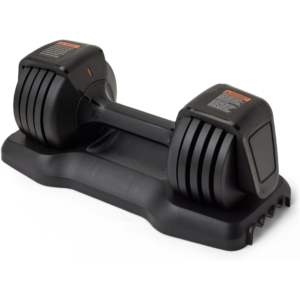
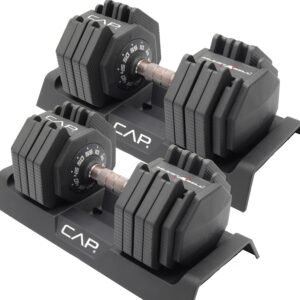
Dumbbells are especially useful if you are newer to lifting, since they let you start light and progress at your own pace, all while teaching you to control each side of your body equally.
Sample great back workouts for men
You do not have to guess when you get to the gym. Use these example workouts as a starting point, then adjust volume and exercises based on your equipment and experience.
Gym based back day (intermediate to advanced)
Perform this routine 1 to 2 times per week with at least 48 hours between sessions.
- Deadlift, 3 to 4 sets of 4 to 6 reps
- Bent over barbell row, 3 sets of 6 to 8 reps
- Pull ups or lat pulldown, 3 sets of 8 to 10 reps
- T bar row or landmine row, 3 sets of 8 to 10 reps
- Chest supported row or cable row, 2 to 3 sets of 10 to 12 reps
- Plank, 3 sets of 30 to 45 seconds
Rest 60 to 90 seconds between sets of heavy lifts like deadlifts and rows, and 45 to 60 seconds for higher rep work.
Research on muscle growth suggests that aiming for at least 10 sets per muscle group per week and training major muscle groups twice a week can maximize hypertrophy, provided you recover well between sessions. In practice, this means you will grow best if you spread your back volume across two days instead of trying to do everything at once.
At home back workout with minimal equipment
If you train at home with dumbbells and maybe a band, you can still run a very effective session three times a week.
- Dumbbell Romanian deadlift, 4 sets of 8 to 10 reps
- One arm dumbbell row, 3 sets of 8 to 12 reps each side
- Resistance band pull apart or reverse fly, 3 sets of 12 to 15 reps
- Superman hold, 3 sets of 20 to 30 seconds
- Farmer’s carry with dumbbells, 3 to 4 rounds of 30 seconds on and 30 seconds off
Rest about 60 seconds between sets. Focus on controlled movement and a full range of motion rather than rushing through reps.
Warm up and recovery for a healthier back
Good training is not just what you do with the heaviest weights. How you prepare and recover can be the difference between steady progress and nagging pain.
A simple warm up before your back workouts might include:
- Arm circles for 20 to 30 seconds
- Dynamic band pull aparts for 2 sets of 15 reps
- Cat cow stretches for 10 slow, controlled reps
- Thoracic spine rotations for 10 reps per side
These drills, recommended by fitness resources like Tua Saúde, increase blood flow, open your upper back, and reduce your injury risk once you start lifting heavier loads.
After your session, you do not need a complicated routine. Light walking, gentle stretching of your hamstrings and hip flexors, and focusing on regular movement during the day will usually be enough. Your goal is to keep your back from stiffening up so it can adapt and grow between workouts.
How to progress safely and consistently
Great back workouts for men are built on consistency and gradual progression, not one heroic session where you destroy yourself.
A few simple guidelines:
- Add weight when you can complete all prescribed sets and reps with solid form.
- If you cannot add weight yet, add a rep or an extra set, or slow down the lowering phase of the lift.
- Train close to failure on your last set or two of each exercise, but stop if your form starts to break.
- Prioritize form over ego, especially on deadlifts and heavy rows where your lower back is involved.
If you are dealing with existing back pain or a diagnosed condition, it is wise to talk with a healthcare professional before you push hard. The research is clear that strength training, including deadlifts, can be very helpful for chronic low back pain when properly supervised, but you want to make sure your plan is appropriate for your specific situation.
Putting it all together
If you remember a few key principles, you can design great back workouts for men that fit your life and your goals:
- Train both vertical and horizontal pulls so you develop width and thickness.
- Include a hip hinge like deadlifts to strengthen your entire posterior chain.
- Use dumbbells, machines, or bands as needed so you can progress consistently.
- Aim for around 10 or more working sets per week for your back muscles, split across at least two sessions.
- Warm up, pay attention to form, and increase load gradually.
Start with one change this week, maybe adding a focused back day or finally learning proper deadlift technique with light weights. Over the next few months, as your posture improves and your lifts climb, you will feel exactly how much a stronger back supports everything else you want to do.
About The Author