Simple Ways the DASH Diet for Blood Pressure Supports Weight Loss
A blood pressure friendly eating plan can do more than protect your heart. When you follow the DASH diet for blood pressure, you also create a solid foundation for gradual, sustainable weight loss. You focus on real food, you eat plenty of fiber, and you naturally cut back on the high calorie, high sodium items that tend to stall your progress.
Below, you will see how the DASH diet works for blood pressure, and how the same habits quietly support a healthier weight without extreme rules or special products.
Understand what the DASH diet is
The DASH diet, which stands for Dietary Approaches to Stop Hypertension, was specifically designed to help prevent and treat high blood pressure, also called hypertension. It does this by emphasizing nutrient rich foods and limiting sodium, added sugars, and saturated fat (Mayo Clinic).
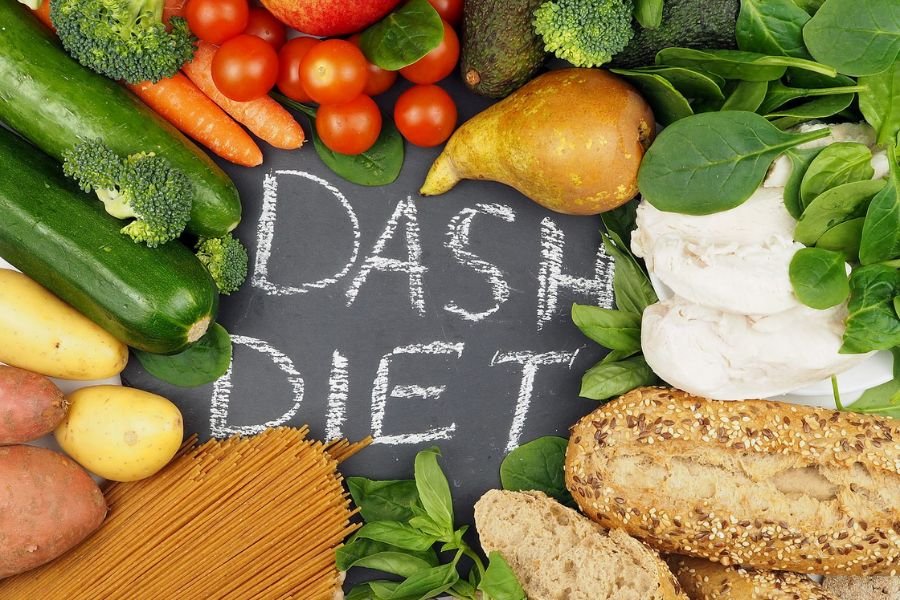
You base your meals on vegetables, fruits, and whole grains. You round them out with fat free or low fat dairy, lean meats like poultry and fish, beans, and nuts. At the same time, you scale back on fatty meats, full fat dairy, heavily processed snacks, and sugary drinks (Mayo Clinic).
The standard DASH diet limits sodium to about 2,300 milligrams per day, which is roughly one teaspoon of table salt. A lower sodium version goes down to 1,500 milligrams per day if you and your health care provider decide that is right for you (Mayo Clinic). Both versions are structured around everyday grocery store foods instead of special products or supplements.
See how the DASH diet helps your blood pressure
High blood pressure puts extra strain on your heart and blood vessels over time. The DASH diet for blood pressure lowers that strain in several ways at once.
First, it gives you more potassium, calcium, magnesium, protein, and fiber. These nutrients work together to support healthy blood vessel function and help lower blood pressure naturally (Mayo Clinic). You get them from fruits, vegetables, whole grains, beans, nuts, and low fat dairy.
Second, DASH keeps sodium in check. Keeping your daily sodium between 1,500 and 2,300 milligrams can help reduce hypertension risks and manage blood pressure levels more effectively (Mayo Clinic). Research supported by the National Heart, Lung, and Blood Institute shows that following DASH at 1,500 milligrams of sodium per day lowers blood pressure even more than 2,300 milligrams per day (NHLBI).
Finally, the diet steers you away from foods high in saturated fat, such as fatty cuts of meat and full fat dairy. That helps control both blood pressure and LDL cholesterol, two key risk factors for heart disease (Mayo Clinic).
Notice how DASH also supports weight loss
Although the DASH diet was created for blood pressure, its structure happens to be very weight loss friendly. You are not counting every calorie, but you are naturally shifting toward foods that are lower in energy density and higher in nutrients.
When your plate is filled with vegetables, fruits, and whole grains, you get more volume for fewer calories. That means you feel full on fewer calories, which is one of the most practical paths to weight loss. At the same time, cutting back on high sodium, processed foods usually means eating fewer chips, fast food items, and desserts that are easy to overeat.
The DASH plan also uses serving guidelines that are tied to an overall calorie level, typically around 2,000 calories per day for many sample menus (NHLBI). Adjusting those servings downward slightly helps you create a modest calorie deficit while still getting balanced nutrition. Because your meals are built from filling foods, it tends to feel more like a lifestyle shift and less like a strict diet.
Eat in a way that keeps you full
Feeling hungry all the time is one of the main reasons people give up on a diet. The DASH diet helps you avoid that by emphasizing fiber and protein at every meal.
Fiber rich foods like vegetables, fruits, beans, and whole grains slow down digestion and help keep your blood sugar steadier. Protein from fish, poultry, yogurt, beans, and nuts adds staying power, which means you are less likely to raid the pantry an hour after eating. Together, these foods create meals that leave you comfortably satisfied rather than stuffed or still hungry.
A typical DASH style day might include oatmeal with berries and low fat milk at breakfast, a big salad with beans and grilled chicken at lunch, and baked salmon with brown rice and roasted vegetables at dinner. Snacks could be a piece of fruit, a small handful of nuts, or yogurt. You are not skipping meals, you are simply choosing options that work with your appetite instead of against it.
When your meals center on fiber and lean protein, you often find that your cravings naturally quiet down without a long list of forbidden foods.
Use sodium limits to curb processed foods
One of the more surprising ways the DASH diet for blood pressure supports weight loss is through its sodium limits. Highly processed foods are some of the biggest sodium sources in a typical diet. They also tend to be calorie dense and easy to overeat.
When you aim for less than 2,300 milligrams of sodium per day, or even 1,500 milligrams if appropriate, you are nudged toward cooking more at home and reading labels more closely (Mayo Clinic). That means fewer fast food meals, fewer frozen dinners, and fewer salty snacks. As a result, your calorie intake often drops without you focusing on calories directly.
The DASH plan does not require you to cut salt entirely. Instead, you learn to flavor foods with herbs, spices, citrus, garlic, and vinegar. Over time, your taste buds adjust, and very salty foods start to taste too intense. That shift makes it easier to stick with lower sodium, lower calorie choices for the long term.
Follow the serving guidelines for structure
If you like a bit of structure, DASH gives you a clear framework based on daily and weekly servings from each food group. The National Heart, Lung, and Blood Institute outlines these recommendations around a 2,000 calorie per day plan, although your personal needs may be higher or lower (NHLBI).
In general, your day includes:
- Several servings of grains, mostly whole grains
- Multiple servings of vegetables and fruits
- A few servings of fat free or low fat dairy
- Limited servings of lean meat, poultry, or fish
- Small amounts of nuts, seeds, and legumes
- Limited fats and sweets
By aiming to meet your vegetable and fruit servings first, you crowd your plate with low calorie foods that support weight loss and good blood pressure control. Then you layer in your protein and whole grains. You can think of it as building your meals from the produce drawer up.
Because the DASH diet is designed to fit everyday life, you do not need specialty products or expensive ingredients. The foods it recommends are widely available in regular grocery stores and restaurants, which makes it more realistic to follow day after day (Mayo Clinic).
Make small changes that fit your routine
Shifting to the DASH diet for blood pressure and weight loss does not have to happen overnight. You can start with one or two changes that feel manageable and build from there.
You might swap your usual refined grain, such as white bread or white rice, for a whole grain version. You could add one extra serving of vegetables at dinner, or switch a sugary drink to water or unsweetened tea. Over time, these small adjustments layer together into a full DASH style pattern without feeling overwhelming.
It can also help to plan a few simple meals that you genuinely enjoy and rotate them through your week. For example, you could keep ingredients on hand for a vegetable and bean soup, a stir fry with frozen vegetables and brown rice, and a sheet pan dinner with chicken and root vegetables. When you have easy options ready, it becomes much simpler to stick with your goals, even on busy days.
Pay attention to the bigger picture of health
While weight loss may be one of your goals, it is not the only benefit of the DASH diet. This way of eating has consistently been recognized for its heart health benefits, and it was named a top diet for lowering blood pressure in recent rankings supported by the National Heart, Lung, and Blood Institute (NHLBI).
By following DASH, you support your blood vessels, your cholesterol levels, and your overall energy. You also reduce your risk of complications linked to high blood pressure, such as heart disease and stroke. Limiting alcohol and being thoughtful about caffeine intake, which the DASH guidelines also encourage, can further support your blood pressure management and overall health (Mayo Clinic).
If you focus on how you feel, not just the number on the scale, you are more likely to stick with healthy habits long term. Better sleep, steadier energy, and gradually improving lab numbers are all signs that the changes you are making are paying off.
Bringing it all together
When you follow the DASH diet for blood pressure, you give yourself a two in one benefit. You actively work to lower and manage your blood pressure, while you also create an eating pattern that gently supports weight loss.
You focus on vegetables, fruits, whole grains, lean proteins, and low fat dairy. You limit sodium, saturated fat, and added sugars. You lean on simple home cooked meals and basic ingredients instead of highly processed foods.
You do not need perfection to see progress. Start with one or two DASH inspired changes this week, notice how your body responds, and build from there. Over time, those small steps can add up to healthier blood pressure and a weight that feels more comfortable for you.
About The Author