Keto Diet Macros Explained: Friendly Tips for Your Journey
A keto diet can feel confusing when you first hear about percentages, grams, and tracking apps. Once you understand keto diet macros in plain language, it becomes much easier to build meals, shop, and adjust your plan over time.
This guide walks you through what keto macros are, why they matter, and how you can use them in real life without feeling glued to a calculator.
Understand what “keto diet macros” really mean
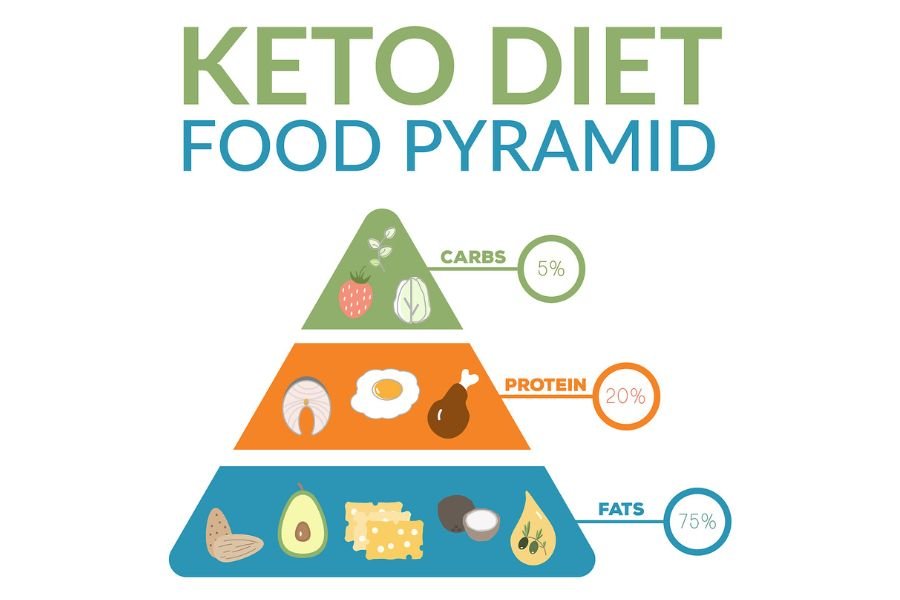
On any diet, your macros are the three main nutrients that provide calories: carbohydrates, fat, and protein. Keto diet macros are simply a specific balance of those three that helps you reach and stay in ketosis.
Most ketogenic approaches keep carbs very low and fat high so your body switches from burning glucose to burning fat and ketones for fuel. Several organizations describe similar macro ranges for keto:
- Many keto plans suggest about 70 to 80 percent of calories from fat, 5 to 10 percent from carbohydrates, and 10 to 20 percent from protein, with carbs usually under 50 grams per day for most people to stay in ketosis (Harvard T.H. Chan School of Public Health).
- Other summaries describe a typical ketogenic ratio of about 55 to 60 percent fat, 30 to 35 percent protein, and 5 to 10 percent carbohydrates, which still limits carbs to less than 50 grams daily to promote ketone production (NCBI Bookshelf).
Even though the exact percentages can vary, the key idea stays the same: carbs are kept very low, protein is moderate, and fat does most of the energy work.
Learn how carbs work on keto
Carbohydrates are the macro you focus on first, because they have the biggest impact on ketosis. To start or maintain ketosis, most people need to keep carb intake under about 50 grams per day, and often closer to 20 to 30 grams for a more strict approach (Healthline, Perfect Keto).
Net carbs versus total carbs
You will often see the term “net carbs” in keto diet macros. Net carbs are the carbohydrates that your body actually digests and uses for energy. Many keto guides suggest subtracting fiber, and sometimes certain sugar alcohols, from total carbs to calculate net carbs, because those components are not fully digested.
Some experts note that this calculation is not perfect and that the usefulness of “net carbs” can be debated within the keto community (Harvard T.H. Chan School of Public Health). Still, a practical takeaway is that high fiber, low sugar foods like leafy greens and many non starchy vegetables are usually more keto friendly than foods with the same total carbs but little fiber.
Carb limits that support ketosis
Across different sources, you will see very similar carb limits for entering and staying in ketosis:
- Fewer than 50 grams of net carbs per day is often needed to achieve ketosis, which is notably lower than other low carb diets that may allow 100 to 150 grams daily (Healthline).
- Several calculators and guides recommend keeping carbs in the 20 to 50 gram range per day for nutritional ketosis, with lower amounts used at the beginning if weight loss or blood sugar control is the primary goal (Perfect Keto, NCBI Bookshelf).
Because vegetables also contain carbohydrates, you pay attention to portions and choose mostly non starchy options like leafy greens, broccoli, cauliflower, zucchini, and peppers. This helps you stay within your daily carb limit while getting enough fiber to support digestion and prevent issues like constipation (Everyday Health).
Balance protein so it supports, not blocks, ketosis
Protein is essential on a keto diet, but more is not always better. Your body can convert amino acids from protein into glucose when carbohydrate intake is very low, a process called gluconeogenesis. If protein intake is too high, that extra glucose can make it harder to reach or maintain full ketosis (Healthline).
How much protein you generally need
Many keto guidelines suggest moderate protein intake instead of very high or very low amounts:
- For people following low carb or ketogenic diets, around 0.7 to 0.9 grams of protein per pound of body weight can support ketosis without encouraging excessive gluconeogenesis (Healthline).
- Some keto calculators recommend about 0.6 to 1.2 grams of protein per pound of lean body mass, adjusting within that range based on your activity level and goals (Perfect Keto).
- Other keto resources set protein around 10 to 20 percent of total daily calories for most adults, which aims to preserve lean body mass while still promoting ketone production (Harvard T.H. Chan School of Public Health).
You can think of protein as a stabilizer. You get enough to maintain muscle, energy, and appetite control, but not so much that protein starts to act like an additional carb source.
Adjust protein for your activity level
If you are more active, lift weights, or have a physically demanding job, you are likely closer to the upper end of these ranges. Guides often suggest:
- Around 0.6 to 0.8 grams per pound of lean body mass if you are mostly sedentary
- Around 0.8 to 1.0 grams per pound if you are regularly active
- Around 1.0 to 1.2 grams per pound if you strength train or perform intense exercise regularly (ruled.me)
If you notice that your weight loss stalls, your ketone levels decline, or you are eating large servings of meat at every meal, protein may be creeping too high and could be worth revisiting.
Make fat your main energy source
On keto, fat is the macro that fills the calorie gap left when you reduce carbohydrates. Without enough dietary fat, you are more likely to feel tired, hungry, and tempted to fall back into high carb habits.
Many keto plans recommend that fat supply about 70 to 80 percent of your daily calories (Harvard T.H. Chan School of Public Health, Perfect Keto). Others describe a slightly broader range of 60 to 75 percent, but the idea is the same: fat is your primary fuel on this way of eating (NCBI Bookshelf).
Choose mostly healthy fat sources
Not all fats affect your health in the same way. Several nutrition groups encourage you to emphasize unsaturated fats from whole foods:
- Olive oil and other plant oils that are rich in unsaturated fats
- Nuts and seeds
- Fatty fish like salmon and sardines
The National Lipid Association and recent clinical trials recommend making these unsaturated fats the foundation of a ketogenic diet in order to reduce potential negative effects on blood lipids and improve overall safety (NCBI Bookshelf).
This does not mean you must avoid saturated fats entirely, but centering your meals on olives, avocados, fish, nuts, and similar foods is a simple way to keep your heart in mind while you focus on weight and metabolism.
Use fat to adjust your calorie intake
One helpful way to think about keto diet macros is that fat acts as a calorie “lever.” Many keto tools suggest setting your protein and carb targets first, then adjusting your fat intake up or down so that your total daily calories match your current goal, whether that is weight loss, maintenance, or gain (ruled.me).
If you are trying to lose weight, fat portions may be a bit smaller so that you stay in a gentle calorie deficit. If you are trying to maintain weight while improving blood sugar or other markers, you may include more fat to stay satisfied and meet your energy needs.
See how a sample keto day can look
To bring the numbers to life, it can help to see a simple macro breakdown. The exact grams you need depend on your age, height, weight, activity level, and goals, but this overview gives you a sense of the balance.
| Daily calories | Approx fat | Approx carbs | Approx protein | Notes |
|---|---|---|---|---|
| 2,000 | 165 g fat | 40 g carbs | 75 g protein | A common example of a ketogenic day, with 70 to 80 percent of calories from fat, under 50 grams of carbs, and moderate protein intake (Harvard T.H. Chan School of Public Health) |
Your own targets will likely look different, but the pattern stays similar: most calories from fat, a small slice from carbs, and a moderate share from protein.
Track your keto diet macros without overthinking
Tracking your macros is not about perfection. It is a tool that helps you understand your habits and adjust them over time. Many keto guides recommend using food journals, labels, or macro tracking apps so you have a clear picture of your fat, protein, and carb intake, especially in the beginning (Abbott Nutrition).
When you first start, you might:
- Log everything you eat for a week, including portion sizes
- Compare your actual intake with your target ranges for carbs, protein, and fat
- Identify one or two simple changes, such as reducing a carb heavy snack or increasing non starchy vegetables and healthy fats at dinner
Over time, you will likely rely less on exact tracking as familiar meals and portions become second nature.
Support your macros with hydration and electrolytes
Keto diet macros are not the whole story. When you lower carbs, your body stores less glycogen, which often leads to increased water and sodium loss through urine. If you do not replace those electrolytes, you might feel lightheaded, fatigued, or experience headaches and cramps, especially during the first weeks.
Experts suggest:
- Salting your food a bit more generously, within overall sodium guidelines
- Drinking fluids that contain electrolytes
- Including magnesium and potassium rich foods that fit your carb budget
These steps can reduce symptoms commonly called “keto flu” and help you feel better as your body adapts (Everyday Health, Healthline, Abbott Nutrition).
Ease into your macros instead of diving in overnight
You might feel tempted to cut carbs to almost zero and double your fat intake on day one. That kind of sudden change can be hard on your digestion, energy, and mood. Some dietitians recommend tapering down carbs more gradually instead, which can help your body adjust more smoothly (Everyday Health).
A gentle approach could look like this:
- Week 1: Remove obvious sweets and sugary drinks, start reading labels
- Week 2: Swap most starches like bread, pasta, and rice for non starchy vegetables
- Week 3: Tighten your carb budget toward your target range, adjust protein to a moderate level, and add more healthy fats
This gives you time to learn new recipes, find keto friendly grocery staples, and notice how your body responds before you commit fully to a strict macro plan.
Use keto diet macros as a long term tool
Keto diet macros are not simply a short term trick. They are a framework that helps you make daily choices that support your weight and health goals.
You use low carbs to encourage your body to burn fat and produce ketones. You keep protein in the middle range to protect your muscles without blocking ketosis. You prioritize healthy fats so you feel full, energized, and satisfied.
Most importantly, you can treat these numbers as guides, not rigid rules. As your body changes or your goals shift, you can adjust your macros, check in with your energy, weight, and lab results, and decide what feels sustainable for you over time.
If you choose one small step today, such as tracking your carbs for a single meal or planning a keto friendly breakfast for tomorrow, you will already be closer to understanding and using your keto diet macros with confidence.
About The Author


