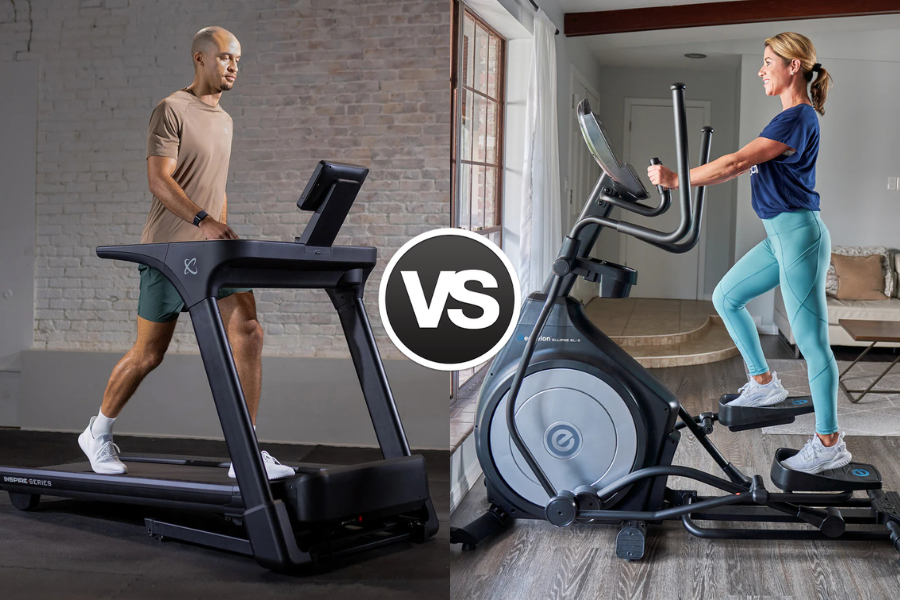
Treadmill vs Elliptical: Which Is Better for Weight Loss?
Many people want to lose weight but feel unsure about which cardio machine delivers better results. Two of the most common options are the treadmill and the elliptical. Both machines appear in gyms and home workout spaces because they support calorie burn, improve endurance, and fit a wide range of fitness levels. Even so, each machine works the body in different ways. Understanding how they differ can help you choose the option that matches your goals, physical condition, and workout style.
This guide explains how treadmills and ellipticals work, which muscles they target, how they affect joints and posture, and how they compare for calorie burn and overall weight loss.
What Is a Treadmill?
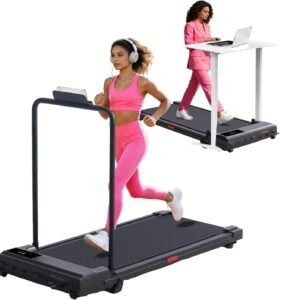
A treadmill is a cardio machine with a moving belt that allows you to walk, jog, or run while staying in one place. You control the speed and incline, which makes the treadmill suitable for beginners and experienced runners alike. Many people prefer the treadmill because it mimics natural walking and running patterns.
Treadmills often serve as the first cardio machine people try because they feel familiar and easy to use. You step on, set a pace, and begin moving. That simplicity makes the treadmill a common choice for steady-state cardio and structured workouts.
How a Treadmill Works
The belt moves under your feet while your body stays in place. Each step forces your legs to lift and land repeatedly, which places controlled stress on muscles, joints, and bones. Speed controls how fast the belt moves, while incline settings increase intensity by simulating uphill walking or running.
This setup allows you to adjust workouts based on your fitness level, time availability, and goals.
What Is an Elliptical Cross Trainer?
An elliptical cross trainer is a stationary machine that guides your feet through an oval-shaped motion. Instead of lifting your feet off the ground, they remain in constant contact with the pedals. Most ellipticals include moving handles that allow you to engage the upper body during the workout.
The elliptical supports walking, climbing, and running-style movements without impact. That feature makes it appealing for people who want cardio exercise without stressing their joints.
How an Elliptical Works
The pedals move in a smooth, continuous path. Resistance settings increase difficulty, while incline or ramp features change which muscles take on more work. When you push and pull the handles, your arms, shoulders, and upper back also stay active throughout the session.
This design allows for a low-impact workout that still challenges multiple muscle groups at once.
Muscle Groups Targeted by Each Machine
One of the biggest differences between treadmills and ellipticals lies in how they activate muscles. That distinction plays a role in calorie burn, muscle tone, and workout feel.
Muscles Worked on a Treadmill
A treadmill workout mainly focuses on the lower body and cardiovascular system. Walking or running engages:
- Quadriceps
- Hamstrings
- Calves
- Glutes
As intensity increases, the core muscles also activate to stabilize posture and movement. Running requires balance and coordination, which naturally recruits abdominal muscles. Arm swing occurs freely, but the upper body does not carry much resistance.
Because the treadmill emphasizes weight-bearing movement, it also supports bone strength in the legs and hips.
Muscles Worked on an Elliptical
The elliptical provides a full-body workout when you use the handles. The lower body muscles involved include:
- Glutes
- Hamstrings
- Quadriceps
The upper body muscles activated include:
- Biceps
- Triceps
- Chest
- Upper and lower back
At higher intensities, the core muscles also engage to support balance and posture. This combined muscle involvement allows you to work more areas of the body during a single session.
Impact on Joints and Injury Risk
Joint health plays a major role in choosing a cardio machine, especially for people with prior injuries or chronic pain.
Joint Impact on a Treadmill
Running or jogging on a treadmill places impact stress on the joints and bones. Each step involves ground contact, which can increase strain on the knees, hips, ankles, and lower back. Over time, poor footwear, improper posture, or overuse can raise injury risk.
Common concerns include:
- Shin splints
- Knee pain
- Stress fractures
- Lower back discomfort
Warm-ups, cooldowns, and stretching reduce these risks. Proper running shoes also help absorb shock and support alignment.
Joint Impact on an Elliptical
The elliptical provides a low-impact workout. Because your feet stay on the pedals, the joints move without repeated pounding. This design reduces stress on knees, hips, and ankles.
Many people use ellipticals during injury recovery or when joint pain limits running. The machine allows consistent movement without forcing impact, which helps maintain fitness while protecting vulnerable areas.
Cardiovascular Benefits and Heart Health
Both machines raise heart rate and improve cardiovascular endurance, but they do so in slightly different ways.
Treadmill and Cardio Fitness
Running or brisk walking on a treadmill significantly challenges the cardiovascular system. Increasing speed or incline pushes the heart to pump more blood and deliver oxygen to working muscles. High-intensity treadmill sessions can raise heart rate close to maximum levels, which supports fat loss and endurance gains.
For people focused on improving aerobic capacity, treadmill workouts offer clear progression options.
Elliptical and Cardio Fitness
Ellipticals also elevate heart rate, especially when resistance increases. Because the machine engages more muscle groups, the heart works to supply oxygen to both the upper and lower body. While the perceived effort may feel lower due to reduced impact, calorie burn and heart rate can still rise when intensity increases.
Ellipticals suit people who want cardio conditioning without joint stress.
High-Intensity Interval Training Potential
Interval training involves alternating periods of high effort and recovery. Both machines can support this style, but one offers more flexibility.
Treadmill and Intervals
Treadmills allow precise control of speed and incline, which makes them well-suited for interval workouts. You can sprint, jog, and walk in defined intervals while tracking pace and distance. This structure works well for people training for races or aiming to boost calorie burn in shorter sessions.
Elliptical and Intervals
Ellipticals can support interval training through resistance and incline adjustments. While speed changes feel less dramatic than on a treadmill, increasing resistance quickly raises effort. Beginners may need guidance at first to control the machine safely during intense intervals.
Effects on Posture and Balance
Posture and balance affect comfort and long-term results.
Posture on a Treadmill
Treadmill belts may encourage changes in walking or running form. Some users shorten stride length or lean forward, which can strain the lower back and joints. Staying upright, keeping shoulders relaxed, and maintaining natural arm swing help reduce these issues.
Posture on an Elliptical
Ellipticals encourage upright posture when used correctly. Keeping the head up, shoulders back, and core engaged supports alignment. Many machines allow reverse pedaling, which shifts muscle emphasis and adds variety.
Ellipticals also improve balance and coordination, especially when users avoid relying heavily on the handles.
Calorie Burn Comparison
Calorie burn depends on body weight, workout intensity, and duration. Both machines support weight loss when used consistently.
Calories Burned on an Elliptical
A moderate 30-minute elliptical session burns roughly 270 to 380 calories for many adults. Extending the workout to 60 minutes can raise calorie burn to around 700 or more, depending on resistance and effort.
Calories Burned on a Treadmill
Treadmill workouts can burn a similar or higher number of calories. Running at a steady pace for an hour may burn 700 to 1,000 calories. Walking at a brisk pace with incline also increases energy use.
Overall, neither machine guarantees greater calorie burn on its own. Effort level and consistency matter more than machine choice.
Cost, Noise, and Convenience
Practical factors also influence decisions.
Cost Differences
Treadmills often cost more, especially models designed for runners. Prices commonly reach several thousand dollars. Ellipticals range widely, from budget-friendly options to high-end models with advanced features.
Noise Levels
Treadmills create more noise due to foot impact and belt movement. Ellipticals operate more quietly, which suits shared living spaces.
Ease of Use
Treadmills require minimal instruction. Most people can start safely with basic guidance. Ellipticals may feel less intuitive at first, especially for beginners. Supervision helps during early sessions.
Choosing the Best Option for Weight Loss
Both machines support weight loss when paired with regular use, proper nutrition, and recovery. The right choice depends on your body, goals, and preferences.
Choose an Elliptical If:
- You have joint pain or prior injuries
- You want a low-impact workout
- You prefer a full-body cardio session
- You need a quieter machine
Choose a Treadmill If:
- You enjoy walking or running
- You want to train for races or outdoor running
- You aim to strengthen bones
- You prefer precise speed and incline control
Many people benefit from using both machines at different times. Alternating workouts reduces boredom and balances muscle engagement.
Final Thoughts on Treadmill vs Elliptical for Weight Loss
Weight loss depends more on consistency and effort than on equipment choice. Both treadmills and ellipticals can help you burn calories, improve endurance, and support long-term health. Selecting the machine that feels comfortable and enjoyable increases the likelihood that you will stick with your routine and see results.
About The Author