What is the 10 5 3 2 1 rule for sleep?
A simple bedtime routine can make it much easier for you to fall asleep and stay asleep. The 10 5 3 2 1 rule for sleep gives you a clear countdown to bedtime so you are not guessing what might help or hurt your rest. Instead of trying ten different hacks at once, you follow a short checklist that starts 10 hours before bed and ends when your head hits the pillow.
In this guide, you will learn exactly what the 10 5 3 2 1 rule is, how it compares to the similar 10 3 2 1 0 rule, and how to adapt it to your own schedule so it feels realistic, not rigid.
What is the 10 5 3 2 1 rule for sleep?
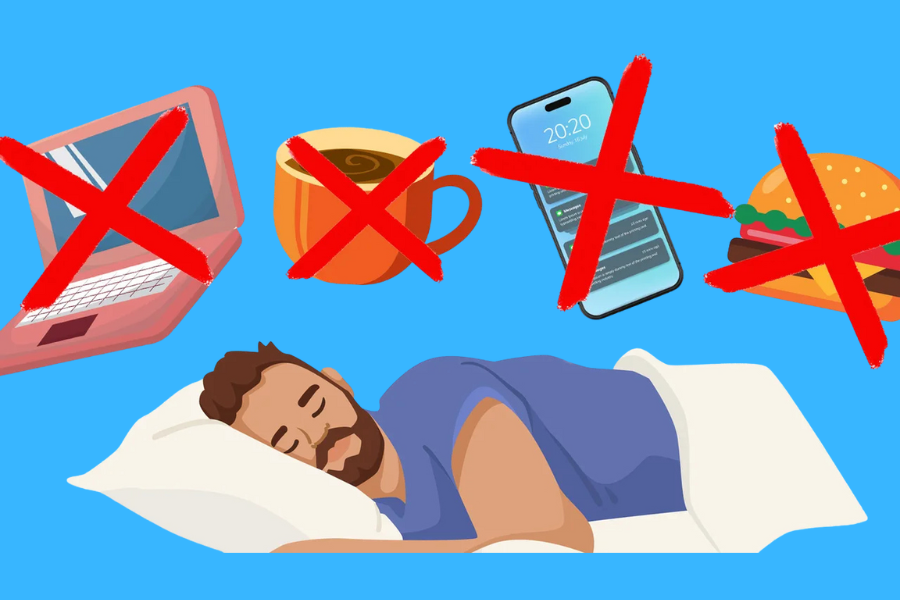
The 10 5 3 2 1 rule for sleep is a countdown style routine that breaks the last 10 hours of your day into simple guidelines. Each number stands for a point in time before bed and a specific habit to start or stop.
According to White House Family Care, the rule is designed to improve your sleep hygiene and ease both your mind and body into rest by adjusting what you eat, drink, think about, and look at in the hours leading up to bedtime (White House Family Care).
In its common form, the 10 5 3 2 1 rule means:
- 10 hours before bed: No more caffeine
- 5 hours before bed: Avoid large meals and alcohol
- 3 hours before bed: Stop work and mentally taxing tasks
- 2 hours before bed: Avoid screens
- 1 hour before bed: Wind down with a relaxing routine
If your goal is better sleep, this rule gives you a structure you can follow without needing to track calories, steps, or minutes. You simply notice the time, match it to the guideline, and make the next small adjustment.
How the 10 5 3 2 1 countdown works
To make the 10 5 3 2 1 rule useful, it helps to see how it plays out in a real evening. Imagine you want to be asleep by 10 p.m. You would count backward from that time.
10 hours before bed: Cut off caffeine
Around 12 p.m., you stop drinking or eating anything with caffeine. This includes coffee, energy drinks, some teas, and even certain sodas and medications. The goal is to give your body time to metabolize caffeine so it does not interfere with your ability to fall asleep or stay asleep later that night.
The idea that caffeine can affect your sleep many hours after you drink it also appears in the similar 10 3 2 1 0 rule. In that version, no caffeine is recommended 10 hours before bed, since caffeine can stay in your system for up to 10 hours and disrupt sleep quality (Health, HIF Health Hub).
If noon feels too early for your last cup, you might start by moving your caffeine cut off one hour earlier each week until you reach a schedule that still feels comfortable but supports better sleep.
5 hours before bed: Skip large meals and alcohol
At about 5 p.m., you stop having heavy dinners and alcoholic drinks. The purpose is not to skip dinner but to make it lighter and earlier. White House Family Care notes that avoiding large meals and alcohol 5 hours before bed can reduce digestive discomfort and support a more natural sleep cycle, suggesting a light earlier dinner and water or herbal tea instead (White House Family Care).
Late night eating and alcohol also show up as a concern in the 10 3 2 1 0 rule. There, experts recommend no food or alcohol 3 hours before bed to help prevent frequent waking and disruptions to REM sleep, which is important for brain function (Health, HIF Health Hub).
If your schedule makes a 5 hour cut off tough, you can aim for smaller, easier wins, such as:
- Eating a lighter dinner and keeping heavier foods earlier in the day
- Swapping your late night drink for a non alcoholic option a few nights a week
3 hours before bed: Log off from work
Around 7 p.m., you stop working or doing anything that feels like mental heavy lifting. That might include answering work emails, studying, financial planning, or writing detailed to do lists. The aim is to give your brain permission to step out of problem solving mode so it can gradually shift into rest mode.
The same idea appears in the 10 3 2 1 0 sleep rule, which advises stopping all work related activity 2 hours before bed to reduce mental stimulation that can make it harder to fall and stay asleep (Health, HIF Health Hub). In the 10 5 3 2 1 rule, you give yourself a slightly longer buffer of 3 hours.
If you are used to working right up until bedtime, this part of the rule may feel challenging. To make it more manageable, you can:
- Set a recurring alarm to remind you when to close your laptop
- Create a short end of day ritual, like writing down next steps for tomorrow, so work feels wrapped up
2 hours before bed: Step away from screens
At about 8 p.m., the 10 5 3 2 1 rule recommends avoiding screen time. That includes phones, TVs, laptops, and tablets. The concern is both the content that can keep you mentally wired and the blue light that can interfere with your natural sleep hormones.
The 10 3 2 1 0 rule gives a similar guideline, suggesting you stop screens 1 hour before bed so that blue light does not suppress melatonin and disrupt your circadian rhythm (Health, ColumbiaDoctors, HIF Health Hub). The 10 5 3 2 1 version simply extends that buffer.
If a full 2 hours without screens feels unrealistic at first, you can:
- Start with 30 minutes and slowly add more time each week
- Switch to low key screen activities, such as listening to a podcast with the screen turned away, as a halfway step
1 hour before bed: Follow a calming wind down routine
By 9 p.m., your last hour is reserved for winding down. This is your chance to teach your body that bedtime is coming. White House Family Care suggests using this hour for a peaceful routine that signals it is time to rest, such as reading, stretching gently, meditating, or taking a warm bath or shower (White House Family Care).
The details do not have to be fancy. The most important qualities of your routine are that it is:
- Consistent
- Relaxing
- Separate from work and screens
Over time, repeating the same simple actions in the same order can act like a cue, helping you feel sleepy more quickly once you get into bed.
Think of your wind down routine as a bridge between your busy day and your sleeping night. The stronger the bridge, the easier it is for you to cross over.
How this compares to the 10 3 2 1 0 rule
You might also see the 10 3 2 1 0 sleep rule mentioned alongside the 10 5 3 2 1 method. They share a similar countdown structure and both aim to improve sleep quality by adjusting your day well before bedtime.
According to Health and HIF Health Hub, the 10 3 2 1 0 rule works like this (Health, HIF Health Hub):
- 10 hours before bed: No more caffeine
- 3 hours before bed: No more food or alcohol
- 2 hours before bed: Stop work
- 1 hour before bed: No screens
- 0: No snooze button in the morning
Both approaches use a countdown to create a consistent pre sleep routine that signals your body it is time to wind down. ColumbiaDoctors describes the 10 3 2 1 0 rule as a pre sleep routine that can improve sleep quality by promoting relaxation and helping you establish a regular schedule (ColumbiaDoctors).
The key differences are:
- The 10 5 3 2 1 rule adds a 5 hour step that focuses more specifically on large meals and alcohol
- The 10 3 2 1 0 rule adds a morning component, the zero snoozes guideline, to support more consistent waking times
You do not have to pick one method forever. You can blend them by using the timing that fits best with your routine while keeping the overall idea the same: gradually remove stimulants, heavy digestion, mental effort, and screens as bedtime gets closer.
How to adapt the rule to your life
Your schedule, family responsibilities, and energy levels are unique, so you do not need to follow the 10 5 3 2 1 rule perfectly for it to help. Instead, use it as a template and then adjust.
Here are a few ways to make it your own:
- Choose your target bedtime first. Decide when you want to be asleep, then count backward to find your 10, 5, 3, 2, and 1 hour marks.
- Start with the easiest step. Maybe cutting caffeine by noon is simple for you, but turning off screens 2 hours before bed feels hard. Begin with the step that feels most doable, then layer in the others.
- Allow flexible versions. If you have a late social event, you might keep the spirit of the rule by choosing a lighter meal and limiting alcohol, even if you cannot fully meet the 5 hour guideline.
- Track how you feel, not just what you do. Pay attention to whether you fall asleep faster, wake up less often, or feel more refreshed after a week or two of trying the routine.
As you test and adjust, you will get a clearer sense of which parts of the countdown give you the biggest benefits.
When to be cautious or talk to a professional
The 10 5 3 2 1 rule and related routines like the 10 3 2 1 0 rule are general guidelines for healthy adults. They are not a replacement for medical advice. You should consider talking with a healthcare professional if you:
- Have chronic insomnia or long term trouble sleeping
- Snore heavily, wake up gasping, or feel extremely tired despite full nights in bed
- Take medications that affect your sleep or interact with caffeine or alcohol
In those situations, a provider can help you decide which changes are safe and which may need to be adapted more specifically for you.
Putting the 10 5 3 2 1 rule into practice
If you are wondering what is the 10 5 3 2 1 rule for sleep and whether it is worth trying, the answer is that it is a simple structure meant to reduce the most common sleep disruptors in a clear order. By cutting off caffeine, large meals, alcohol, work, and screens at set times, you create a smoother glide into sleep and give your body stronger cues that it is time to rest.
You do not have to follow it perfectly every night. Even choosing one step today, such as stopping work 3 hours before bed or putting your phone away an hour earlier, can help you notice how different your evenings feel. Once you find a version of the countdown that fits your life, you can treat it as a reliable rhythm that supports better sleep with less guesswork.
About The Author


