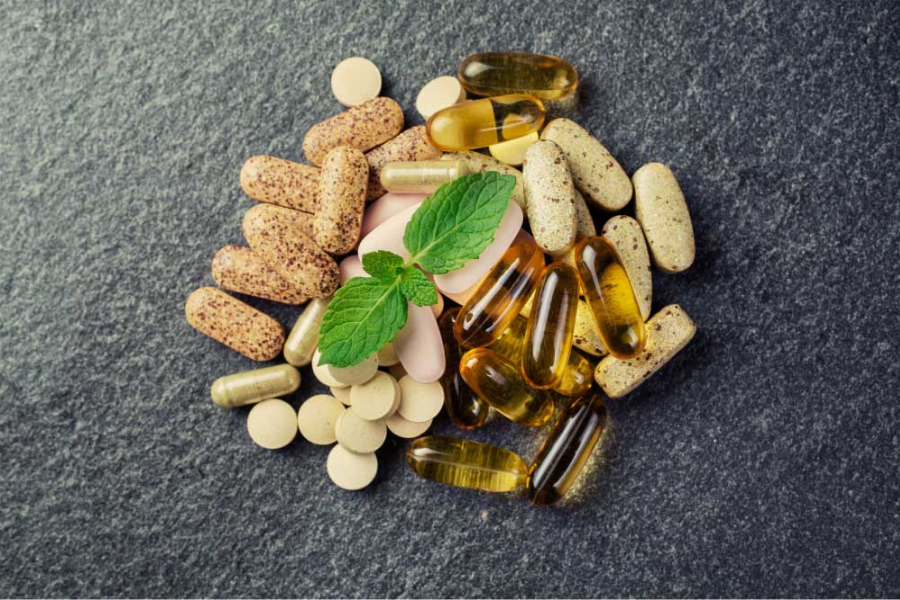
Top-Rated Best Supplements for Thinning Hair to Try Today
A few extra hairs in the brush is normal. When you start seeing more scalp than usual, it is natural to wonder if the best supplements for thinning hair can help.
You will find plenty of promises on every supplement bottle, but the science is more nuanced. Some ingredients have solid evidence behind them, others help only when you have a deficiency, and a few can backfire if you take too much. This guide walks you through what is known so you can choose hair growth supplements with realistic expectations and fewer surprises.
Understand what supplements can and cannot do
Before you pick a product, it helps to know how supplements fit into the bigger picture of hair loss.
Nutrients give your hair follicles the raw materials they need to grow strong hair. If you are low in certain vitamins or minerals, correcting that deficiency may slow shedding and help regrowth begin again, especially if blood tests confirm a specific problem with vitamin D, iron, or other nutrients that affect hair health (Harvard Health Publishing).
However, supplements alone rarely solve hair loss caused by genetics, hormones, scarring, or major stress. In those cases you usually need a combination of approaches, such as topical treatments, lifestyle changes, and medical care. Hair growth is slow, so any supplement that works will still take months of daily use before you see a difference.
In other words, supplements can support your hair, but they are not magic. The best approach is to use them to fill real gaps in your nutrition and to complement proven treatments, not to replace medical advice.
Support hair growth by fixing deficiencies first
One of the most important steps you can take is also the least glamorous. Find out if you are missing key nutrients. Most people can meet their needs for hair-friendly vitamins and minerals through a balanced diet so you may not need pills at all unless testing shows a true deficiency (Harvard Health Publishing).
Dermatology experts routinely look at a few nutrients when investigating hair loss:
- Vitamin D
- Iron
- Vitamin C
Vitamin D helps regulate the hair growth cycle. Low levels are common, especially in areas with less sun, and can be linked with thinner hair. Supplementing in the range of 2,000 to 5,000 IU daily is often suggested to correct deficiency, with blood levels checked once a year to avoid going too high (ISHRS).
Iron is another frequent culprit, particularly for women. Low iron stores can coexist with hair loss, although researchers still debate how strong that link really is. Treating an iron deficiency is important for your overall health, but you cannot assume your hair will fully recover on iron supplements alone (ISHRS).
Vitamin C supports collagen production and helps you absorb plant-based iron. The recommended daily intake is 90 mg for men and 75 mg for women, and your body usually tolerates higher amounts well aside from mild stomach upset at very high doses (ISHRS).
The takeaway: Ask your doctor about blood tests before you invest in pricey blends. Correcting documented shortages of vitamin D, iron, or vitamin C is one of the few supplement strategies with consistent support for hair growth in medical literature (ISHRS).
Choose targeted hair growth complexes
Once basic deficiencies are addressed, you may want to add a dedicated hair growth supplement. These formulas combine multiple ingredients that aim to nourish hair follicles and lengthen the growth phase of your hair cycle.
Two options that stand out in recent research and reviews are Viviscal and Nutrafol.
Viviscal: Marine-based complex with clinical trial data
Viviscal Maximum Strength is built around AminoMar C, a proprietary marine complex made from shark and mollusk powder, along with vitamin C from acerola cherry, horsetail plant silica, and other nutrients (NCBI – Journal of Clinical and Aesthetic Dermatology).
In a randomized, double blind, placebo controlled study of women with self perceived thinning hair, those who took Viviscal twice a day saw impressive changes. Terminal hair count increased from 271 hairs at the start to 571 hairs after 90 days and 609.6 hairs after 180 days. The placebo group showed no meaningful change, and the difference between groups was statistically significant (p < 0.001) (NCBI – Journal of Clinical and Aesthetic Dermatology).
Women in the Viviscal group also reported fuller hair volume, better scalp coverage, and thicker hair body after 90 days, with added improvements in hair shine and even skin smoothness by 180 days. No adverse events were reported during the six month study period (NCBI – Journal of Clinical and Aesthetic Dermatology).
Previous research suggests that marine proteins and omega 3 fatty acids alone can reduce hair loss but do not always drive new growth. Viviscal seems to go further, which is why the study authors highlighted it as a promising nutritional option for women with thinning hair, especially compared with supplements like biotin, zinc, or iron that show limited and inconsistent results for regrowth (NCBI – Journal of Clinical and Aesthetic Dermatology).
Nutrafol: Whole-body approach that targets triggers
Nutrafol Hair Growth Nutraceutical takes a broader angle. Instead of focusing only on hair follicles, it targets internal triggers that can influence thinning, such as stress, hormones, and overall nutrition.
A recent review named Nutrafol the best supplement for hair growth in 2026, in part because it uses clinically studied, mostly natural ingredients and is designed for both men and women seeking a whole-body strategy, not just a topical fix (Fortune).
Nutrafol is over the counter and does not require an online intake form or prescription, which makes it easy to add to your routine. You take four capsules per day. Some users find the pills larger than expected with an earthy taste, although the flavor does not tend to linger. Taking them in smaller batches can make them easier to swallow (Fortune).
This type of supplement requires patience. Hair grows slowly, and experts note that products like Nutrafol usually need several months of consistent daily use before you see meaningful results in thickness or reduced shedding (Fortune).
Look at single nutrients with care
Individual vitamins and minerals often appear on hair supplement labels. Some of them are helpful when you truly lack them, while others have more hype than proof.
Biotin: Important but overhyped for most people
Biotin, or vitamin B7, is essential for producing keratin, the main structural protein in your hair and nails. The recommended daily intake is 30 micrograms. Biotin supplements can improve hair thickness and nail strength if you are deficient, but genuine biotin deficiency is rare since you can get plenty from common foods like eggs, salmon, almonds, and sweet potatoes (GoodRx).
A systematic review of 18 published cases found that biotin supplements helped hair and nail growth only when people had underlying problems like inherited enzyme deficiencies, malnutrition, or conditions like brittle nail syndrome or uncombable hair syndrome. Doses ranged from 300 to 30,000 micrograms a day, and improvements were limited to these specific, uncommon situations (NCBI).
For healthy individuals who already get about 30 micrograms of biotin from their diet, extra biotin does not appear to speed up hair growth. Dermatologists also warn that high dose biotin can interfere with lab tests, including thyroid and pregnancy tests, and may lead to misleading results (ISHRS, TODAY).
If you suspect a deficiency, talk with your health care provider. Otherwise, biotin on its own is unlikely to be the secret fix for thinning hair.
Other vitamins and minerals that matter
Several other nutrients support healthy hair, skin, and nails, although the evidence that they reverse hair loss in well nourished people is mixed.
Zinc is involved in cell growth and tissue repair. A daily intake of 8 to 11 mg is typically recommended. Lack of zinc can lead to hair loss and brittle nails, and people who are deficient tend to improve when they supplement. Too much zinc, however, can cause nausea and may interfere with copper absorption, so more is not always better (GoodRx).
Omega 3 fatty acids help nourish hair follicles. Getting 1.1 to 1.6 grams per day can make hair stronger and shinier and less likely to break. Omega 3s also support skin hydration and barrier strength, which indirectly benefits the scalp environment (GoodRx).
Collagen supplements have gained attention for helping skin elasticity and nail strength, especially when combined with vitamin C. Since collagen is a core structural protein that supports hair, skin, and nails, additional collagen as you age may complement other hair growth strategies (GoodRx, Fortune).
Finally, vitamins A, E, selenium, and other B vitamins all contribute to overall hair health, but study results on their ability to treat hair loss are inconsistent. Excessive intake of some, especially vitamin A, selenium, and iron, can actually trigger or worsen hair loss and may cause toxicity. This is a key reason to avoid megadoses and to discuss your supplement plan with a clinician (Harvard Health Publishing).
In general, experts still recommend a balanced diet as the foundation for healthy hair, with supplements used mainly to correct confirmed deficiencies or as part of a broader treatment plan, not as a stand-alone cure for thinning hair (Harvard Health Publishing, ISHRS).
Consider combination products designed for hair
If you prefer a single capsule that covers several bases, combination products can be appealing. One example is Nature Made Hair Growth Lustriva Softgels, which are formulated specifically to support thicker, fuller existing hair.
Each daily softgel provides 160 mg of Lustriva, a blend of bonded arginine silicate and magnesium biotinate, along with 10,000 micrograms of biotin, 100 mg of vitamin C, and 750 micrograms of vitamin A from beta carotene for antioxidant support (Nature Made).
In a clinical study cited by the brand, this formula supported visibly thicker and fuller existing hair in healthy women within 12 weeks of daily use. The key ingredients, including arginine, silicon, inositol, vitamin A, vitamin C, and biotin, work together to promote healthy growth and structure. Biotin in particular is a central nutrient for hair health and is naturally found in foods like sweet potatoes, eggs, nuts, and seeds (Nature Made).
Adults are directed to take one softgel per day with water and a meal. As with any supplement, it is wise to talk to a health professional first, especially if you are pregnant, nursing, or take prescription medications (Nature Made).
Combine supplements with proven treatments
You will get the best results when you treat hair loss from more than one angle. Dermatologists often recommend pairing nutritional support with treatments that directly stimulate follicles.
Topical minoxidil products, for example, have strong evidence in both men and women. Rogaine 5 percent minoxidil foam is an FDA approved once daily treatment, and generic options like Amazon Basic Care 2 percent minoxidil solution, BosleyMD minoxidil spray, and Nioxin serums with niacinamide, lauric acid, and caffeine can also help increase hair density over several months (TODAY).
Some people add scalp oils or leave in treatments that contain ingredients like rosemary oil or caffeine, which may support scalp health and follicle activity, although these are typically adjuncts rather than primary therapies (TODAY).
If your shedding seems sudden, patchy, or severe, or if you have other symptoms like fatigue, weight change, or changes in your nails or skin, checking in with a dermatologist is essential. Hair loss driven by autoimmune disease, thyroid problems, or major stress usually will not improve much with supplements alone (Harvard Health Publishing).
How to pick the right supplement for you
You will see the most benefit from hair growth supplements when you choose them intentionally instead of grabbing the flashiest bottle. As you compare options, ask yourself a few key questions.
First, what does your lab work show. If you are low in vitamin D, iron, or another nutrient tied to hair health, treating that deficiency is a priority. Second, are you interested in a product with direct clinical data on hair growth like Viviscal, a whole-body formula like Nutrafol, or a focused hair complex like Nature Made Hair Growth Lustriva.
Check the ingredient list and doses, and make sure they fit comfortably with the rest of your diet and medications. Pay attention to serving size and how easy it will be for you to take the supplement every day for several months. Finally, set expectations around time. Give any product at least three to six months before deciding whether it is working for you, and keep your dermatologist in the loop as you experiment.
Thinning hair can feel discouraging, but you are not stuck with guesswork or false hope. By grounding your choices in evidence and pairing the right supplement with good medical care and everyday habits, you give your hair the best chance to stay as full and healthy as possible.
About The Author





