Discover Amazing NAD Supplement Benefits for Your Health
NAD supplement benefits are getting a lot of attention because NAD+ sits at the center of how your cells make energy, repair damage, and age over time. When you understand what NAD+ does and how it changes as you get older, it becomes easier to decide whether these supplements belong in your routine.
Below, you will find a clear breakdown of how NAD+ works, what current research suggests about potential benefits, where the science is still uncertain, and practical ways to support healthy NAD+ levels.
Understand what NAD+ is and why it matters
NAD+ (nicotinamide adenine dinucleotide) is a coenzyme that lives inside every one of your cells. You need it to convert the food you eat into usable cellular energy and to support processes like DNA repair, circadian rhythm, and inflammation control (GoodRx).
As you age, NAD+ levels naturally decline in many tissues, including your liver, skin, brain, and muscles. This drop is linked with aging and age-related diseases (National Library of Medicine). In simple terms, your cells may become less efficient at producing energy and repairing themselves.
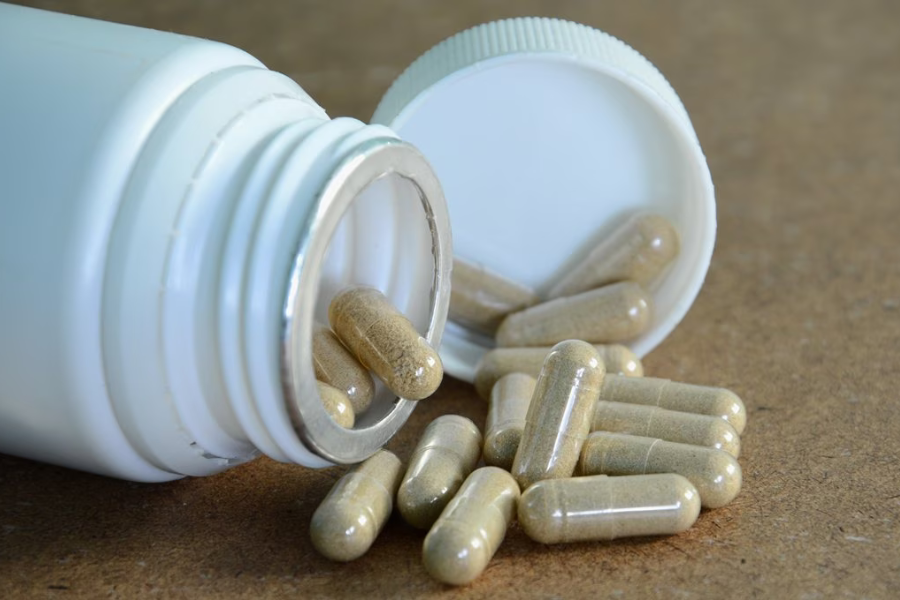
NAD+ supplements usually do not give you NAD+ directly. Instead, they provide precursors such as niacin, nicotinamide, nicotinamide riboside (NR), or nicotinamide mononucleotide (NMN) that your body can convert into NAD+.
Explore potential energy and metabolism benefits
If you are drawn to NAD supplement benefits because you feel tired all the time, you are not alone. Since NAD+ is critical for mitochondrial function and energy production, low levels can contribute to fatigue and sluggishness.
Research suggests that increasing NAD+ may:
- Support mitochondrial energy production and overall cellular health (Natasha Thomas, MD)
- Help correct metabolic dysfunction seen in conditions like chronic fatigue syndrome, which may improve mental and physical energy (Natasha Thomas, MD)
- Improve redox balance and exercise performance in older adults who take nicotinamide riboside (WebMD)
Animal and early human studies also show that restoring NAD+ can improve mitochondrial function and help manage metabolic stress from high-fat diets (NCBI PMC). While this is promising, most of the strongest evidence still comes from animal models, not long-term human trials.
If your main concern is low energy, NAD+ precursors may help, but you will get the best results if you also address sleep, movement, and nutrition.
Look at brain and cognitive health benefits
You might also see NAD supplements promoted for sharper memory, focus, or long-term brain protection. There is some scientific support for this, but it is still developing.
Here is what current research suggests:
- NAD+ levels decline in the aging brain and are associated with cell death and cognitive impairment, which makes NAD+ a key target for slowing brain aging and diseases like Alzheimer’s (UPMC Physician Resources)
- In animal models, restoring youthful NAD+ levels improves cognitive function and reduces brain inflammation (UPMC Physician Resources, WebMD)
- In a rat model of vascular dementia, NAD+ treatment improved learning and memory, reduced neuronal death, and lowered inflammatory markers in the brain (PMC)
For Parkinson’s disease, early clinical work suggests NAD supplements might slow progression, improve quality of life, and reduce inflammatory markers in spinal fluid, but researchers emphasize that more human data is needed (GoodRx, CNBC).
Traditional NAD+ supplements may not easily cross into the brain or persist long enough to give sustained benefits, which is why researchers are now exploring molecules that boost the brain enzyme NAMPT to keep NAD+ levels higher for longer (UPMC Physician Resources).
For now, you can think of cognitive NAD supplement benefits as “promising but not proven,” especially for serious brain conditions, where medical guidance is essential.
Consider heart and blood vessel support
Another reason you might be curious about NAD+ is cardiovascular health. Because your heart and blood vessels rely on healthy mitochondria and well-regulated inflammation, NAD+ sits right in the middle of how they function.
According to current research:
- In animal models, restoring NAD+ improves cardiovascular function and reverses some metabolic conditions (National Library of Medicine)
- Early human clinical trials suggest NAD+ restoration can reduce systolic blood pressure and arterial stiffness and lower inflammatory cytokines, particularly in older adults and those with heart failure (National Library of Medicine)
- NAD supplementation may reduce arterial stiffness, lower blood pressure, and improve HDL cholesterol in postmenopausal women, as well as decrease inflammation markers in patients with advanced heart failure (GoodRx)
These results support the idea that keeping NAD+ at healthy levels could be one piece of a broader heart health plan that also includes diet, movement, and any medications your doctor recommends.
Explore potential skin and healthy aging effects
If you care about skin health and aging gracefully, NAD+ is relevant there too. As NAD+ levels fall, your skin cells become less effective at repairing DNA and maintaining structure.
Research shows that declining NAD+:
- Impairs DNA repair that depends on NAD+
- Promotes cellular senescence and inflammation, which accelerates skin aging
- Reduces collagen and elastin production and decreases skin’s ability to regenerate
- Contributes to mitochondrial dysfunction and genomic instability in skin cells
All of these are tied to visible and structural signs of skin aging (National Library of Medicine).
In animal models, restoring NAD+ has led to organ protection, tissue regeneration, and even vision rescue in some cases (National Library of Medicine). While that sounds impressive, it is important to keep in mind that animal results do not always translate directly to human outcomes.
For real-world results, you will probably see the best impact when NAD+ support is paired with basics like sun protection, a nutrient-dense diet, and habits that limit chronic inflammation.
Understand different NAD+ precursors and delivery methods
Not all NAD supplements are the same. Knowing your options will help you choose in a more informed way and avoid overpaying for hype.
Common precursors and approaches include:
-
Niacin (vitamin B3)
Niacin includes nicotinic acid (NA) and nicotinamide (NAM). As a vitamin, it acts as a dietary NAD+ precursor, and you can meet basic needs with less than 20 mg per day from food or supplements (NCBI PMC). High-dose nicotinic acid can lower triglycerides and LDL and raise HDL, but often causes flushing due to a mechanism unrelated to NAD+ synthesis (NCBI PMC). -
Nicotinamide (NAM)
NAM can raise NAD+ levels and influence proteins like SIRT1 and SIRT3. At doses of 500 to 3000 mg, it has shown benefits in several neurological and inflammatory conditions, and long-term use at typical supplement doses has been generally safe in clinical trials, with most adverse effects seen only at very high intakes above 6 g per day (PMC). Researchers still caution that very high chronic doses might affect methylation and metabolic health, so more safety data is needed (PMC). -
Nicotinamide riboside (NR)
NR is a newer NAD+ precursor that enters cells through nucleoside transporters and is efficiently converted to NAD+. Studies suggest it is well tolerated, raises NAD+ levels in middle aged and older adults, and may improve exercise performance, brain inflammation in animals, and heart and liver markers in specific conditions (NCBI PMC, WebMD). -
NAD+ IV infusions
Intravenous NAD+ therapy delivers NAD+ directly into your bloodstream and has been used in clinics, including for chronic fatigue and addiction support (Natasha Thomas, MD). Some people report fast improvements in energy, but infusions are expensive and can cause discomfort, nausea, and brain fog. They may also raise NAD+ more in the blood than inside cells, which limits benefits (CNBC).
Researchers are also exploring strategies that do more than flood your body with precursors. These include reducing excessive NAD+ consumption, for example by inhibiting CD38, and improving recycling through NAMPT activation. Together, these approaches may offer a more complete way to restore NAD+ for antiaging effects (National Library of Medicine).
In general, oral NAD+ precursors appear safer, more convenient, and more practical for long term use than frequent IV infusions, especially when you are working on general health and aging rather than acute medical issues.
Balance potential benefits with safety and limits
With all the buzz around NAD supplement benefits, it helps to keep a balanced view. Here are key points to remember when you are deciding what is right for you:
-
The strongest data often comes from animals
Many of the impressive effects, like intense organ regeneration or restored fertility, are from animal models, not humans (National Library of Medicine). -
Human studies are promising but early
There is encouraging evidence for cardiovascular support, improved insulin sensitivity in some groups, and better liver and muscle function, but results are not yet consistent or definitive across large populations (GoodRx). -
More is not always better
Extremely high doses of some precursors, especially NAM, may affect methylation, liver health, and insulin sensitivity when used long term (PMC). It is wise to stay within studied ranges unless your healthcare provider recommends otherwise. -
Supplements are not a substitute for lifestyle
Natural ways to raise or protect NAD+ include regular exercise and eating foods like meat, avocados, and edamame, which support NAD+ physiology (CNBC). These habits also improve sleep, weight, and metabolic health, which amplify any supplement you choose.
Clinicians often suggest reserving NAD+ precursors for times when you notice specific issues like persistent low energy, brain fog, or recovery challenges after illness, such as long COVID, rather than using them as a universal, one size fits all pill (CNBC).
Use NAD supplements wisely in your routine
If you are considering adding an NAD supplement, a simple, thoughtful approach can help you get the most benefit and avoid unnecessary risks.
You might start by:
- Checking your basics: sleep, stress, regular movement, and a nutrient dense diet
- Talking with your healthcare provider if you have chronic conditions, take medications, or are pregnant or breastfeeding
- Choosing a well studied precursor like NR or NAM and staying within commonly used doses
- Tracking how you feel over 4 to 8 weeks, focusing on energy, sleep quality, workout tolerance, and mental clarity
- Reassessing whether the cost and benefits line up for you
NAD supplement benefits touch many areas that matter to you energy, brain health, heart function, and aging. The science is evolving quickly, but what is clear already is that supporting healthy NAD+ levels, whether through lifestyle, diet, or well chosen supplements, can be a valuable part of taking care of your long term health.
About The Author