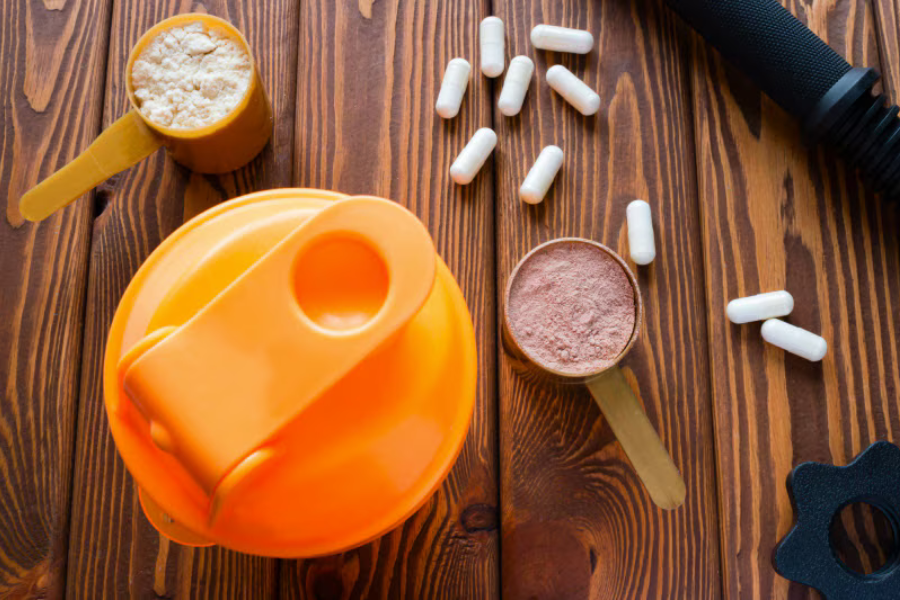
Boost Your Fat Loss Journey with Effective Pre-Workout Tips
Pre-workout for fat loss can be a helpful tool, but it is not a shortcut or a replacement for solid nutrition and consistent training. When you understand what these supplements actually do, you can use them to support your fat loss journey instead of expecting magic from a scoop of powder.
Understand what pre-workout really does
Most pre-workout supplements are designed to boost performance, not to burn fat directly. They usually combine ingredients like caffeine, creatine, beta alanine, amino acids, and nitric oxide boosters to increase energy, focus, blood flow, and muscular endurance so you can train harder and longer. That extra effort is what helps you burn more calories in a workout, not the supplement itself (Performance Lab).
Pre-workout can indirectly support fat loss by helping you push through intense sessions such as HIIT or heavy strength training. That is where calorie burn and muscle building happen. But in terms of direct fat burning, research on multi ingredient pre-workouts shows improved energy, concentration, and some endurance benefits, with no measurable changes in fat mass over six weeks compared with a placebo style product (PMC).
So if your primary goal is fat loss, treat pre-workout as a performance tool that makes it easier to stick to demanding training, not as the main driver of results.
Learn how ingredients support fat loss
Not all pre-workout ingredients work the same way. Some are there mostly for performance, while others have more of a metabolic or “fat burning” angle. Understanding the basics helps you pick products that match your goals and tolerance.
Stimulants and metabolism
Caffeine is the backbone of most pre-workouts. It stimulates your central nervous system, improves alertness, and increases perceived energy. It also has a mild thermogenic effect, which means it helps you burn slightly more calories. According to FDA referenced data, around 350 mg of caffeine per day can raise calorie expenditure by roughly 100 calories (Wellversed).
Caffeine can also increase fatty acid oxidation, which helps your body use stored fat as fuel during exercise, especially when you train at higher intensities (Transparent Labs). Typical effective doses for performance and fat loss support are in the 200 to 300 mg range taken before a workout.
Other common stimulant or thermogenic style ingredients you may see include:
- Yohimbine, which targets alpha 2 receptors involved in stubborn fat storage, especially around the hips and lower abdomen. It can increase fat mobilization, but it also raises the chance of side effects like anxiety and heart palpitations. A low starting dose around 2.5 mg is recommended (Transparent Labs).
- Theobromine and green tea extract, which may help with thermogenesis and energy expenditure when combined with training and diet (Transparent Labs).
Strength, endurance, and calorie burn
A second group of ingredients play a more indirect role in fat loss by letting you perform more total work in a session. The more productive training you can tolerate, the easier it is to burn calories and keep muscle while dieting.
Key players include:
- Creatine, which helps replenish ATP, your muscles’ immediate energy source. This lets you lift heavier or squeeze out more reps. Over time that can lead to more muscle mass, and muscle tissue burns more calories at rest (PMC – MDPI).
- Beta alanine, which helps buffer acid in your muscles so you can sustain hard efforts for longer. It has been linked to better endurance and may support cardiovascular health and fat metabolism through anti inflammatory and antioxidant effects (PMC – MDPI).
- Citrulline and other nitric oxide boosters, which improve blood flow and nutrient delivery to working muscles. Better circulation can help you maintain power output and increase fat and carbohydrate uptake during intense training (Wellversed).
Together, these ingredients help you rack up more quality volume, which translates into greater total energy expenditure in each workout and more lean muscle over time.
Appetite control and post workout burn
Caffeine in particular may also blunt appetite for some people and increase Excess Post exercise Oxygen Consumption, or EPOC. That is the “afterburn” effect you get after a demanding workout. Ingredients such as creatine and beta alanine can enhance EPOC as well, which means your body continues to burn extra calories during the recovery phase (Wellversed).
The calorie bump from these mechanisms is modest, but over weeks and months it can support a well structured fat loss plan.
Choose the right pre-workout for your goals
With so many options available, it is easy to assume all “fat burning” pre-workouts are dramatically different from standard ones. In reality, most of them are almost identical. One analysis suggests around 95 percent of fat burning pre-workouts only tweak caffeine content by 10 to 20 mg compared with regular versions, which is unlikely to make a meaningful difference by itself (Transparent Labs).
Instead of chasing labels, focus on:
- Transparent ingredient lists with clear doses
- Caffeine level that matches your personal tolerance
- A mix of performance boosters such as citrulline and beta alanine
- Optional fat loss oriented ingredients like acetyl L carnitine or green tea extract
Acetyl L carnitine is especially worth noting because it helps transport fatty acids into mitochondria for use as energy and may also sharpen focus, which is useful during tough workouts (Transparent Labs).
When you compare products marketed for fat loss, you will see similar patterns. Many of the popular choices highlighted in recent reviews combine around 300 mg of caffeine with citrulline, beta alanine, and focus ingredients. Some add metabolism supporters like chromium or carnitine, but the core performance formula stays consistent (Garage Gym Reviews, Forbes).
Time your pre-workout for maximum effect
To get the most from a pre-workout for fat loss, timing matters. You want peak stimulant and performance effects to line up with the hardest part of your training.
Most products absorb well when you take them about 20 to 30 minutes before exercise. This lines up with guidance that peak caffeine effectiveness, and therefore calorie burning support, occurs when you start or are early in your workout (Wellversed).
A few simple guidelines:
- Take your pre-workout with some water on a relatively empty stomach so you do not slow absorption.
- If you train late in the day, consider either a lower stimulant product or taking a half scoop to avoid insomnia. Many pre-workouts provide caffeine amounts roughly equal to three cups of coffee in a single serving, usually 150 to 300 mg (Wellversed).
- Give a new product at least a week so you can see how it affects your sleep, energy, and performance before you increase the dose.
If you do fasted morning workouts, pre-workout can be especially helpful. It can provide the energy and mental drive you might otherwise get from breakfast, while also helping preserve muscle mass when you are in a calorie deficit or following intermittent fasting (Wellversed).
Train in ways that amplify fat loss
Pre-workout only pays off if you pair it with training that actually drives fat loss. You do not need to overhaul your routine, but you should aim for sessions that take advantage of higher energy and endurance.
Prioritize strength training
Strong, lean muscle is one of your best allies for fat loss. It raises your resting metabolic rate and helps you look more defined as body fat drops. Pre-workout can help you lift heavier, complete more sets, or maintain form when you start to fatigue.
Try to include compound lifts such as squats, deadlifts, presses, and rows several times a week. These exercises recruit large muscle groups and allow you to burn more calories in less time. Over a few months, the combination of strength training, higher training volume, and a modest calorie deficit often changes your body composition even if the scale does not move dramatically, because you are trading fat for muscle (Performance Lab).
Add intervals and conditioning
High intensity interval training, sprints, and demanding conditioning circuits also pair well with pre-workout. Studies on multi ingredient pre-workouts show that they can increase time to exhaustion and the number of efforts completed, which means you can perform more work before you have to stop (PMC – MDPI).
You do not need daily all out sessions. Two or three days a week of intervals or circuits, layered on top of your strength work, is enough for most people. Think short, focused bursts of effort that leave you breathing hard, followed by recovery periods.
Use pre-workout to build consistency
One underrated benefit is motivation. People in clinical studies report feeling more energetic and focused in the gym when they use pre-workout, even when body composition changes are limited (PMC). That mental edge can be what gets you to the gym when you would otherwise skip it.
If you notice that a small pre-workout ritual, like mixing your drink and heading straight out the door, helps make training automatic, lean into that habit. Consistency is where fat loss really happens.
Stay safe and realistic
Like any supplement, pre-workout is not risk free. Stimulant heavy blends in particular deserve respect.
Common side effects include a racing heart, jitters, gastrointestinal upset, and difficulty sleeping. In one trial, a single dose of a multi ingredient pre-workout raised both systolic and diastolic blood pressure by a few points within two hours of ingestion, although no serious problems were reported (PMC). If you have cardiovascular issues, anxiety, or are on medication, speak with your healthcare provider before using these products.
When your goal is fat loss, it helps to keep a few realistic expectations in mind:
Pre-workout can help you train harder, feel more focused, and burn slightly more calories, but it does not replace a calorie deficit, balanced nutrition, or adequate sleep.
For direct fat burning, specialized fat loss supplements and dietary changes are more appropriate than performance formulas (Performance Lab). You can still use pre-workout to make workouts more productive, especially when you are tired or training at high intensity, just remember that your overall lifestyle is doing most of the heavy lifting.
Start with a half dose, notice how you respond, and only increase if you tolerate it well. Combine your pre-workout with a structured training plan and a modest calorie deficit, and you will give yourself a solid, sustainable advantage in your fat loss journey.
About The Author


