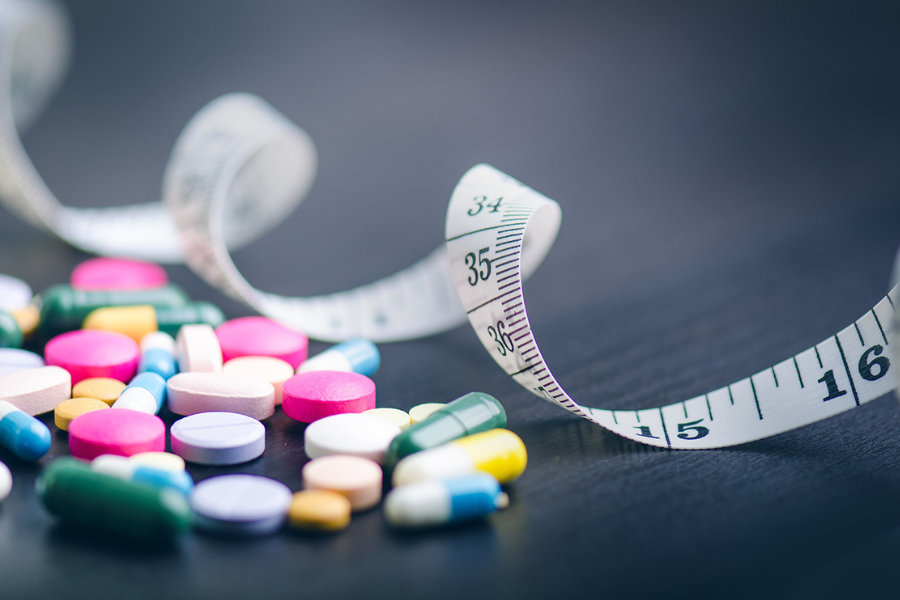
Weight Loss Appetite Suppressants That Really Make a Difference
A lot of weight loss appetite suppressants promise fast results, then leave you hungry, jittery, or dealing with side effects. If you have tried to cut calories before, you know that managing appetite is often the hardest part. Understanding what actually works, how these medications and products affect your body, and what to watch out for can help you make safer, more effective choices.
Below, you will learn how appetite control really works, which prescription options have the best evidence, why most “natural” suppressants are not what they seem, and what is coming next in weight loss science.
How appetite suppressants help with weight loss
Your appetite is not just about willpower. It is controlled by hormones, nerves, and specific areas in your brain, especially the hypothalamus, which acts like a control center for hunger and metabolism. Many weight loss appetite suppressants work by changing the messages this system sends so that you feel full sooner or less hungry overall.
Some prescription suppressants affect brain chemicals such as serotonin and norepinephrine. This can enhance feelings of satiety so you naturally eat less without feeling as deprived (Empower Pharmacy). Others mimic gut hormones like GLP-1, which slow stomach emptying and signal your brain that you are satisfied.
When these medications are used alongside a reduced calorie eating plan and regular activity, they can help you lose an additional 3 to 12 percent of your total body weight compared with lifestyle changes alone (WebMD, Mayo Clinic). Losing even 5 to 10 percent of your starting weight can lower blood pressure, improve cholesterol, and reduce blood sugar levels in a meaningful way (Empower Pharmacy).
Prescription appetite suppressants with strong evidence
If you have obesity, typically defined as a BMI over 30, or a BMI over 27 with weight related health problems, your healthcare provider may consider prescription appetite suppressants as part of a comprehensive plan (Cleveland Clinic). These medications are regulated, studied in large clinical trials, and approved by the FDA for specific uses.
GLP-1 and related medications
GLP-1 receptor agonists have changed the landscape of weight management. They mimic a natural gut hormone that reduces hunger and slows how quickly food leaves your stomach.
Common options include:
- Semaglutide, sold for weight loss under the brand Wegovy
- Liraglutide, sold as Saxenda
- Tirzepatide, sold as Zepbound, which also acts on a second hormone called GIP
These medications help you feel full with smaller portions and reduce between meal cravings. They are among the most effective prescription options, with typical body weight reductions of about 6 to 11 percent in people with obesity (Cleveland Clinic, UC Davis Health).
They are usually given as injections, daily or weekly depending on the drug. Side effects are common, particularly digestive issues. For semaglutide, nausea shows up in around 44 percent of users, diarrhea in 30 percent, vomiting and constipation in 24 percent, and stomach pain in 20 percent (Obesity Medicine Association). Many people stop treatment within a year, and a small portion cite side effects as the main reason (Obesity Medicine Association).
On the positive side, a 2024 analysis in Nature Medicine did not find an increased risk of suicidal thoughts with semaglutide compared to other obesity medications, and actually found a lower risk, which may be reassuring if you have seen concerning headlines (Obesity Medicine Association).
Combination medications that reduce appetite
Several prescription drugs combine ingredients to target appetite and cravings from multiple angles.
Bupropion and naltrexone, sold together for weight loss, work on brain pathways that influence hunger and reward. This can help you feel more in control around food. However, this combination may raise blood pressure and can cause nausea, headache, and constipation. It also carries a warning about possible increased risk of suicidal thoughts, since bupropion is an antidepressant (Mayo Clinic).
Phentermine plus topiramate, sold in an extended release form, is another well studied combination. Phentermine is a stimulant that reduces appetite and boosts energy use, while topiramate appears to make you feel full faster. In a large study, this combination produced significant and sustained weight loss over 108 weeks and improved several cardiovascular and metabolic markers (Empower Pharmacy). Across many trials, phentermine topiramate and GLP-1 agonists rank among the most effective modern options, with average reductions of 6 to 11 percent in body weight (Cleveland Clinic).
Older stimulant type suppressants
Some of the earliest weight loss appetite suppressants are stimulant type medications such as phentermine, phendimetrazine, and diethylpropion. They work by increasing levels of norepinephrine in the brain, which suppresses appetite and can raise your basal metabolic rate (Empower Pharmacy).
These drugs are typically approved only for short term use, usually up to 12 weeks. They are controlled substances because of their potential for addiction and misuse (WebMD, Cleveland Clinic). Side effects can include:
- Headache
- Difficulty sleeping
- Increased heart rate
- Elevated blood pressure
Phentermine in particular is not recommended if you have heart disease, a history of stroke, hyperthyroidism, or glaucoma (Obesity Medicine Association). Some doctors prescribe it for longer than 12 weeks based on newer safety data, but this should always be a careful, individualized decision.
Specialized medications for rare conditions
Setmelanotide is a newer weight loss medication meant only for people with specific inherited conditions that affect appetite regulation. It acts directly on brain pathways to reduce hunger, increase fullness, and may also increase the calories you burn at rest. It is approved for patients 6 years and older with certain rare genetic forms of obesity and has its own list of potential side effects (Mayo Clinic).
Unless your doctor has diagnosed you with one of these rare conditions, setmelanotide will not be relevant for your weight loss plan, but it shows how much modern medicine is focusing on appetite and brain signaling rather than just willpower.
Do natural appetite suppressants really work?
If you have looked online or at supplement shelves, you have probably seen dozens of “natural” weight loss appetite suppressants promising to curb cravings with herbs, teas, or plant extracts. The reality is that, for most of these products, there is no reliable evidence that they are safe and effective for long term weight loss.
As of 2024, there is no strong scientific support for the idea that over the counter “natural” appetite suppressants provide meaningful, lasting weight loss benefits. Many have never been rigorously tested, and some contain ingredients that can affect your heart, blood pressure, or liver in dangerous ways (GoodRx).
A few supplements show early promise, such as Caralluma fimbriata or combinations like garcinia cambogia plus Gymnema sylvestre, but the research is small and short term, so you cannot rely on them as proven solutions (GoodRx).
Some ingredients marketed as natural suppressants, including ephedra, bitter orange, or very high doses of caffeine, have been linked to serious problems such as heart attack, stroke, seizures, liver failure, and even death. Ephedra in particular has been banned by the FDA for these reasons (GoodRx, Cleveland Clinic).
If you are looking for “natural” ways to feel fuller, there are safer strategies that have some evidence behind them:
- Higher protein intake, especially from sources like whey protein, may help increase satiety and, combined with resistance training and a low calorie diet, can support modest reductions in weight and waist size.
- Soluble fiber, including psyllium, slows digestion, promotes fullness, and can lead to moderate weight loss by reducing calorie absorption, although it can also cause gas or bloating in some people (GoodRx).
These are closer to nutrition strategies than pills, and they work best as part of an overall structure instead of quick fixes.
If a supplement promises dramatic fat loss without lifestyle changes or claims to be “just like a prescription pill but natural,” it is a red flag.
Always talk with your healthcare provider before starting any supplement, especially if you take other medications or have heart, liver, or kidney issues.
Why sustained appetite control matters more than quick fixes
A single “appetite killing” snack or drink might sound appealing, but lasting weight loss depends on what happens day after day, not just at one meal. Research from the SATIN study followed people after an initial weight loss phase and looked at how ongoing appetite suppression affected their ability to keep weight off.
The findings were clear. People who maintained a sustained reduction in how much they ate over 24 hours did better at keeping weight off. In particular, lower intake at lunch and from snacks was strongly associated with better weight loss maintenance. Self reported feelings of reduced appetite, both after a single exposure and after repeated use of appetite suppressing products, were also linked to better weight outcomes over a 12 week maintenance period (PMC).
On the other hand, one time drops in calorie intake after trying a product once were not associated with long term maintenance. In other words, only ongoing appetite control, not a one day fix, made a meaningful difference (PMC).
The study also highlighted the importance of behavior. People who increased their cognitive restraint, essentially the ability to stick to planned eating, tended to maintain weight loss more successfully. Those whose disinhibition increased, meaning more frequent overeating or loss of control, were more likely to regain weight (PMC).
This supports a practical mindset. If you use appetite suppressants, the goal is not to starve yourself for a few weeks. It is to support steady, manageable eating patterns you can live with, especially around lunch and snacking, while you also work on habits that help you stay consistent.
A glimpse at future appetite suppressants
Weight loss science is moving quickly. One of the most intriguing developments is a naturally occurring peptide called BRP. Researchers at Stanford Medicine used an artificial intelligence tool named Peptide Predictor to scan around 20,000 human genes and identify short protein fragments that might act in the brain. That work led to BRP, which appears to strongly suppress appetite in animals (Stanford Medicine).
In studies of mice and minipigs, a single intramuscular injection of BRP before feeding cut food intake by up to 50 percent. In obese mice, two weeks of daily injections led to about 3 grams of weight loss, mostly from fat, while untreated mice actually gained weight over the same period (Stanford Medicine).
What makes BRP stand out is how targeted it seems to be. Unlike drugs such as semaglutide, which act in multiple places including the gut and pancreas, BRP appears to work specifically in the hypothalamus, the brain region that directly controls appetite and metabolism (Stanford Medicine). In these early animal studies, BRP did not appear to cause problems with movement, water intake, anxiety like behavior, or digestion. That suggests it might reduce appetite without some of the common side effects seen with current GLP-1 medications, such as nausea, constipation, or muscle loss (Stanford Medicine).
BRP is not available for human use right now, and more research is needed before it ever reaches a pharmacy. However, it shows how AI driven discovery could lead to future appetite suppressants that act more precisely with fewer side effects.
Putting it all together safely
With so many weight loss appetite suppressants, it is easy to feel overwhelmed. A simple way to approach your options is to ask three key questions about any medication or product:
- Is it FDA approved for weight loss or at least for another condition, like diabetes, with clear evidence about weight effects and risks?
- Does it have strong clinical data showing sustained benefits, not just short term changes on the scale?
- Can you realistically integrate it into a broader plan that includes nutrition, movement, sleep, and support, rather than using it as a stand alone fix?
Prescription medications like GLP-1 agonists, phentermine topiramate, and bupropion naltrexone have passed through rigorous testing and can help you lose 5 percent or more of your starting weight when combined with lifestyle changes (Cleveland Clinic, Mayo Clinic). They are not right for everyone, but they are a very different category from unregulated supplements.
If you are considering appetite suppressants, talk openly with your healthcare provider about:
- Your weight history and past attempts
- Any heart, liver, kidney, or mental health conditions
- All medications and supplements you currently use
- Your goals, both in terms of weight and how you want to feel day to day
The most effective approach will acknowledge that appetite is both biological and behavioral. When you combine the right medical support with sustainable eating patterns, movement you can stick with, and realistic expectations, appetite suppressants can be a tool that truly makes a difference, rather than another frustrating detour.
About The Author


