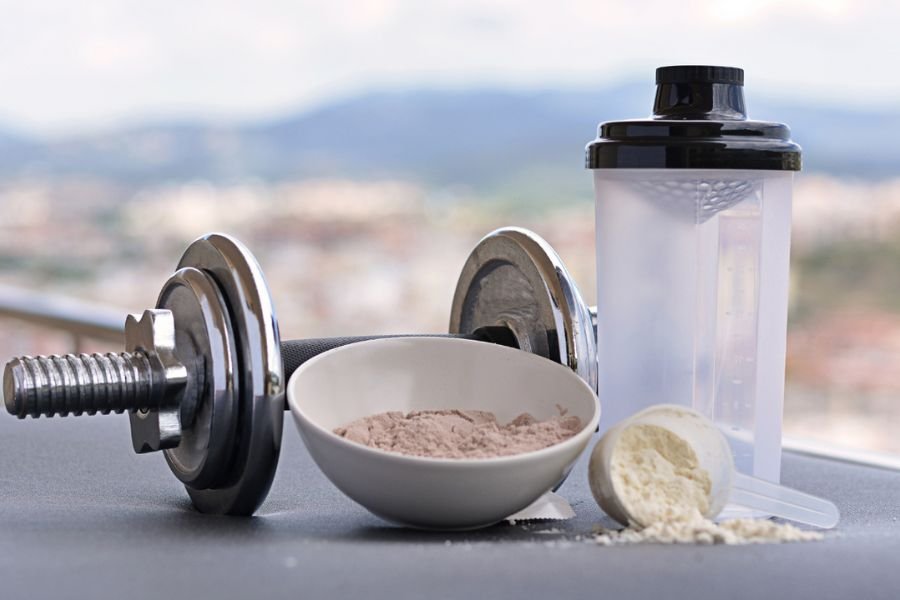
Whey Protein Powder for Men
A scoop of whey protein powder for men can seem like a shortcut to more muscle, better workouts, and faster recovery. Used wisely, it can absolutely support your goals. Used carelessly, it can add unnecessary calories, sugar, and even potential contaminants to your routine.
This guide helps you understand what whey protein powder does, how it benefits you, and how to choose and use it safely so it actually supports your health instead of working against it.
What whey protein powder is
Whey is the liquid that remains after milk is turned into cheese. When that liquid is filtered and dried, you get whey protein powder. It is valued because it is a complete, high quality protein that contains all nine essential amino acids and is absorbed more rapidly than many other types of protein, which makes it one of the most effective dietary protein sources available as of 2024 (Healthline).
For men, this quick absorption and complete amino acid profile are especially useful if you lift weights, play sports, or want to maintain muscle as you age. A typical scoop provides around 20 to 30 grams of protein, which lines up with evidence that 20 to 40 grams of protein at a time can enhance muscle growth and strength when you combine it with resistance training (Harvard Health Publishing).
Types of whey protein you can choose
Not all whey protein powder for men is the same. The three main forms differ in how much protein, lactose, and fat they contain, along with how quickly you absorb them.
Whey protein concentrate
Whey protein concentrate is usually the most affordable and the most common form. It typically contains 70 to 80 percent protein with the rest coming from carbohydrates and fat. It retains more of whey’s natural nutrients and often has a creamier taste, partly because it still has some lactose and fat (Healthline).
You might like concentrate if:
- You tolerate lactose well
- You want a budget friendly option
- You prefer a richer taste and do not need ultra low carbs or fat
Whey protein isolate
Whey protein isolate goes through additional filtration, so it has a higher protein content and very little lactose, carbs, and fat. This makes it a strong choice if you are cutting calories, limiting carbs, or sensitive to lactose. Isolate and hydrolysate forms also tend to have better absorption than concentrate but usually cost more (Men’s Health).
You might choose isolate if you want:
- Higher protein per scoop
- Lower carbs and fat
- Less lactose and easier digestion
Whey protein hydrolysate
Hydrolysate is partially “pre digested,” which means the protein chains are broken down into smaller pieces to speed up absorption. It is often used in medical formulas and in some high end sports supplements. Because of this extra processing, it is typically the most expensive.
You might prefer hydrolysate if:
- You want the fastest absorption possible
- You have a sensitive stomach and other wheys bother you
- You want a very easy to digest option for post workout recovery
Key benefits of whey protein powder for men
When you use whey protein thoughtfully, it gives you more than just bigger biceps. The research points to several meaningful benefits for men of different ages and activity levels.
Supports muscle growth and strength
Whey protein is rich in branched chain amino acids, especially leucine, which is considered the most anabolic amino acid. Leucine helps trigger muscle protein synthesis, the process that repairs and builds muscle tissue after you train (Healthline). That is why whey protein powder for men is often recommended if your primary goal is to increase muscle strength and mass.
Several sources note that:
- High quality whey powders usually provide 20 to 30 grams of protein per scoop, the range that supports muscle gain when combined with training (Men’s Health)
- Controlled studies in trained young men show that whey plus resistance training can improve strength, body composition, and muscle hypertrophy compared with training alone (WebMD)
Whey cannot build muscle on its own. You still need a consistent resistance training program and enough total daily calories. What whey does is make it easier to hit your protein targets in a convenient, fast digesting form.
Helps preserve muscle as you age
Age related muscle loss, or sarcopenia, is a concern for many men as they get older. Whey protein can help slow that decline, especially when you pair it with strength training. Its leucine rich profile is particularly effective for stimulating muscle protein synthesis in older adults, who often need a stronger signal to build or maintain muscle compared with younger men (Healthline).
Studies have observed that middle aged and older men between 48 and 72 years old who used whey protein isolate with resistance exercise increased their lean body mass and muscle strength more than those who only exercised (WebMD). If you are noticing slower recovery or gradual strength loss, whey plus strength training can be a practical way to fight back.
Supports weight management and fat loss
If you are trying to lose fat without sacrificing muscle, whey can be a helpful tool. Research shows that whey protein may:
- Reduce appetite and increase satiety, partly by affecting hunger hormones
- Help you burn about 80 to 100 extra calories per day by increasing your metabolic rate
- Support fat loss while helping preserve lean muscle when combined with a calorie deficit and regular exercise (Healthline)
Because a scoop is filling and relatively low in calories, using whey protein powder for men as a snack or meal component can make it easier to stick to your calorie goal, especially if afternoon or late night hunger is your weak spot.
May benefit blood sugar and blood pressure
There is evidence that whey protein can support metabolic and cardiovascular health in certain situations. Research summarized in 2024 suggests that:
- Whey may improve blood sugar regulation and insulin function in men with type 2 diabetes, particularly when the powder is low in added sugars and carbohydrates (Healthline)
- Supplementing with about 30 grams of whey isolate daily for 10 to 12 weeks may help reduce systolic blood pressure in people with a BMI between 25 and 30, potentially due to bioactive peptides that act like ACE inhibitors (Healthline)
If you have diabetes, prediabetes, or high blood pressure, talk with your doctor or dietitian before adding whey. It can be a helpful tool, but it needs to fit within your overall treatment plan.
Supports recovery, immunity, and antioxidant defenses
Whey does more than rebuild muscle fibers. Studies show that whey intake can increase plasma glutamine and improve intracellular glutathione levels, which are linked to better antioxidant defense and immune function in men under physical stress (WebMD).
In practice, that may translate into:
- Less soreness between intense training sessions
- Better resilience during heavy training blocks
- Extra support for your immune system when your body is stressed
Whey protein powder is not a cure all, but it can be one helpful piece of a recovery focused routine that also includes good sleep, hydration, and whole food nutrition.
How much whey protein you really need
Your ideal intake depends on your size, activity level, age, and current diet. A useful way to think about whey is as a supplement that fills protein gaps instead of a main protein source.
Evidence suggests that:
- Consuming 20 to 40 grams of protein at one time is enough to maximize muscle protein synthesis in most men who are resistance training (Harvard Health Publishing)
- For many men, 1 to 2 scoops of whey per day, around 25 to 50 grams of protein, is a reasonable supplemental range as long as you do not have kidney or liver issues (Healthline)
- Men aiming for muscle gain often benefit from aiming for about 30 grams of protein per meal, within an overall calorie surplus and structured training plan (Men’s Health)
If you already eat a high protein diet with plenty of lean meat, eggs, dairy, beans, and other sources, you may not need much or any whey. Harvard Health notes that most healthy adult men who are not heavy athletes can meet protein needs through food alone (Harvard Health Publishing).
When to take whey protein
“Protein timing” matters less than your total daily protein, but timing can still help you use whey more strategically, especially around workouts.
You might get the most out of whey if you:
- Use it within a window before or after lifting, so the amino acids are available as your body repairs muscle
- Add it to breakfast if your morning meal is low in protein
- Use it as a snack between meals to curb hunger and protect muscle in a calorie deficit
A 2019 randomized double blind study found that young men who consumed a protein blend with hydrolyzed whey immediately before and after resistance exercise for 12 weeks saw greater improvements in muscle circumference, strength, and exercise volume than those who did not supplement, even though their total food protein intake was lower (Journal of Exercise Nutrition & Biochemistry). That suggests that having high quality protein around your workouts can give you an edge.
Safety, side effects, and hidden risks
Whey protein powder for men has an excellent safety profile for most healthy adults when you stay within reasonable doses. However, there are some important caveats.
Digestive and kidney concerns
Men who are lactose intolerant may experience gas, bloating, or diarrhea from whey concentrate due to its lactose content. Isolate and hydrolysate forms usually contain far less lactose, so they may be easier to tolerate. Starting with a half scoop and increasing gradually can help you gauge your response.
If you have kidney or liver disease, or a history of kidney stones, you should talk with your healthcare provider before significantly increasing your protein intake or adding whey. While normal protein amounts are generally safe, compromised organs can struggle with the extra load (Healthline).
Added sugars, artificial ingredients, and heavy metals
Not all whey products are clean. A 2024 report from Harvard Health notes that many protein powders, including whey based ones, contain added sugars, artificial flavors, and thickeners that may dilute the health benefits (Harvard Health Publishing). Some “mass gainer” style powders can add hundreds of calories and a large dose of sugar per serving.
Even more concerning, a Clean Label Project study cited by Harvard Health found that many protein powders contained measurable levels of heavy metals such as lead, arsenic, cadmium, and mercury, as well as BPA and pesticides. Some products exceeded regulatory limits, which raises real questions about long term toxin exposure (Harvard Health Publishing).
Because of these issues, registered dietitian Kathy McManus recommends that men use protein powders like whey only under some form of medical or professional guidance and focus on whole foods for most of their protein intake (Harvard Health Publishing).
How to choose a good whey protein powder
A little label reading goes a long way when you pick whey protein powder for men. Look for:
- A short ingredient list, ideally whey, natural flavors, and minimal sweetener
- At least 20 grams of protein per serving and 2 to 3 grams of leucine, which is optimal for muscle building (Men’s Health)
- Limited added sugars and reasonable total calories
- Third party testing or certifications that verify purity and label accuracy
Harvard Health suggests looking for products certified by programs like NSF International’s “Certified for Sport.” These seals indicate that the product meets Good Manufacturing Practices and does not contain unsafe levels of toxic metals or banned substances (Harvard Health Publishing).
Some widely recommended options for men in recent reviews include:
- Transparent Labs Whey Protein Isolate, with 28 grams of protein per serving and no artificial additives
- Optimum Nutrition Gold Standard 100% Whey, with 24 grams of protein per serving, many flavor choices, and broad third party testing, although some flavors use sucralose that may irritate sensitive stomachs (Men’s Health, Forbes)
- Naked Whey, an unflavored powder with 25 grams of protein per serving from 100 percent whey concentrate, no added sweeteners, and good overall value, though some people notice a slight aftertaste when drinking it plain (Forbes)
Whey based powders in general tend to have lower lead levels than many plant based powders, and products like Optimum Nutrition’s whey lines have not been identified as high in lead in the Consumer Reports findings summarized by Forbes (Forbes).
Practical ways to use whey in your routine
Once you have chosen a quality product, keep it simple. You can:
- Shake 1 scoop with water or milk right after your workout
- Blend it with fruit, yogurt, and ice for a higher protein breakfast
- Stir unflavored whey into oatmeal, yogurt, or pancake batter to boost protein
The goal is not to build your diet around whey. Instead, use it as a flexible tool to close the gap on days when you fall short of your protein target or when cooking a full meal is not realistic.
If you are unsure how much you personally need, or you have health conditions, ask a registered dietitian or doctor to help you set a safe, effective protein range. That way your whey protein powder for men becomes one more intentional choice in a well planned nutrition strategy, rather than a random tub on your kitchen counter.
About The Author


