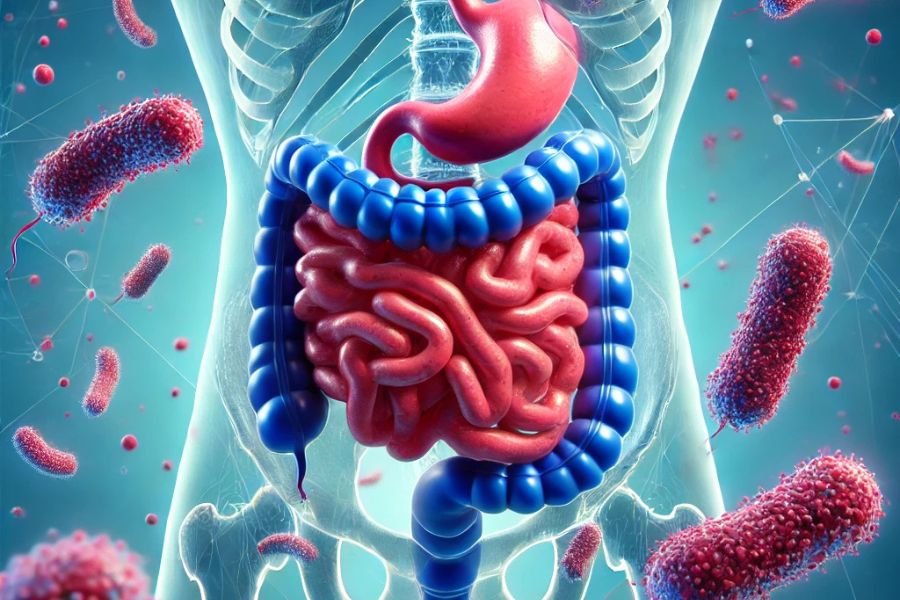
The Best Probiotics for Bloating and Gas Relief You Need
Probiotics for bloating and gas can feel confusing. Some people swear by them for a calmer belly, while others notice more discomfort at first. The key is understanding how probiotics work, which strains seem most helpful, and how to use them in a way your body can actually tolerate.
This guide walks you through the basics so you can decide whether probiotics make sense for your digestion and how to choose the best option for you.
Understand how probiotics affect bloating and gas
Probiotics are live bacteria and yeasts that add more of the “good bugs” to your gut. They help keep harmful microbes in check and can support digestion and immunity (Cleveland Clinic). When your gut bacteria are out of balance, you are more likely to have gas, bloating, constipation, or diarrhea.
When you start a probiotic, the new microbes begin to interact with the bacteria you already have. As they break down food, they can produce gases and short chain fatty acids as byproducts. This shift is one main reason you might feel a temporary increase in bloating or gas in the first days or weeks (Cleveland Clinic).
For most people, this settles as your system adjusts. Over time, a better balanced gut microbiome can help reduce the very symptoms that might flare when you first start.
Weigh the benefits and limits for bloating
Research on probiotics for bloating and gas is promising but not perfect. You will see both strong support and cautious guidance in the medical literature, so it helps to know what that means for you.
Some clinical studies suggest that certain probiotic strains can ease digestive symptoms, especially in people with irritable bowel syndrome (IBS). A 2018 review rated the evidence as high that some probiotics improve overall symptom burden in IBS, including bloating (Healthline). Another review of 15 IBS studies found that more than half showed significant benefits, such as reduced bloating and better bowel regularity (ZOE).
At the same time, large professional groups take a more cautious stance. The American College of Gastroenterology recommends against using probiotics to treat IBS symptoms in general, mainly because studies are inconsistent and it is still not clear which exact strains help which people (Healthline).
In simple terms, probiotics might help your bloating and gas, especially if you tend to have IBS type symptoms, but they are not a guaranteed fix or a one size fits all solution.
Know the strains most often studied
When you look at probiotics for bloating and gas, the label will mention the strains, not just the species. You might see names like Lactobacillus acidophilus or Bifidobacterium lactis. These details matter because different strains do different jobs.
Two of the most commonly studied groups for bloating are:
-
Lactobacillus species
Found in yogurt and fermented vegetables, these can support digestion and may help reduce gas production in some people (ZOE).
Lactobacillus acidophilus in particular is linked with better digestion and balanced gut bacteria, which can ease bloating and discomfort (Medical News Today). -
Bifidobacterium species
Often found in kefir and buttermilk, these are associated with improved bowel movement frequency and a healthier gut barrier. Bifidobacterium lactis helps support the gut lining and immune response, which may help reduce bloating and smelly gas (Medical News Today).
Other strains you might see for digestive support include Bifidobacterium infantis and the probiotic yeast Saccharomyces boulardii, which may be especially helpful when bloating follows antibiotic use. S. boulardii is generally well tolerated but is not advised for people with weakened immune systems (Medical News Today).
Research is still ongoing to pinpoint which exact strains or combinations work best for bloating relief, so you can expect some trial and error (Healthline).
Recognize possible side effects and safety concerns
For most healthy adults, probiotics are considered safe, with side effects that are mild and temporary. The most common complaint is exactly what you are trying to fix, a short term increase in gas and bloating. This is especially common with bacteria based supplements and typically improves after a few days or weeks of continued use (Healthline).
You are more likely to notice discomfort if:
- You start with a very high dose
- You choose a supplement that also contains prebiotic fibers like inulin or certain oligosaccharides, which can be gas producing on their own (Healthline)
- You are sensitive to lactose and your probiotic contains lactose. In that case, a lactose free formula may suit you better (Healthline)
For people with compromised immune systems, serious illnesses, or those who are very young or very old, probiotics can carry more risk. In rare situations, they may cause infections or make symptoms worse, so medical guidance is especially important in those cases (Healthline).
If you have a chronic condition, are pregnant, or take regular prescription medication, it is wise to talk with a healthcare provider before starting any new supplement.
Choose between supplements and fermented foods
You can get probiotics from both supplements and foods. Each option has pros and cons if you are focused on bloating and gas.
Supplements usually provide much higher doses of specific strains. They are taken daily as directed and are designed to help restore balance in your gut microbiome over time, which may improve gas and bloating for some people (Cleveland Clinic).
Fermented foods, on the other hand, offer a mix of live bacteria in more modest amounts. Examples include:
- Yogurt with live and active cultures
- Kefir
- Sauerkraut
- Kimchi
- Kombucha
- Some aged cheeses
Some research suggests that people who regularly consume probiotics from fermented dairy, other fermented foods, or supplements have a higher chance of regular bowel movements. Those who combine all three types seem to do best in terms of bowel regularity, which may help manage gas related bloating (ZOE).
There is also a note of caution. Some probiotic supplements may not be helpful and could even contribute to issues like antibiotic resistance or altered immune responses. Because of that, some experts suggest focusing on naturally fermented foods first to support your gut microbiome, then adding supplements strategically if needed (ZOE).
Consider a targeted product for gas and bloating
If you prefer a supplement that is designed specifically for gas and bloating relief, you will find “combo” formulas that pair probiotics with digestive enzymes and herbs. These are meant to support both gut bacteria balance and the actual breakdown of food.
One example is Culturelle® Bloating & Gas Defense Capsules. Each capsule contains:
- A proprietary probiotic blend with 5 billion CFUs of Lactobacillus rhamnosus GG and Bifidobacterium animalis subsp. lactis CECT 8145, both studied for digestive health and microbiome balance (Culturelle)
- An IntelliZyme™ blend of 8 fast acting digestive enzymes, including lactase, alpha galactosidase, proteases, cellulase, hemicellulase, phytase, and invertase. These help break down hard to digest foods such as fibers, proteins, carbohydrates, lactose, and high FODMAP ingredients, which often trigger gas and bloating (Culturelle)
- Ginger root, a botanical known for its stomach soothing properties, to support comfort during episodes of bloating and gas (Culturelle)
These capsules are vegetarian, non GMO, and free from artificial dyes, preservatives, yeast, eggs, peanuts, gelatin, and sugar. They do contain milk (lactose), soy, and wheat ingredients, so you need to consider allergies or intolerances. They are designed for daily, long term use and do not require refrigeration. Like other probiotics, they may cause mild bloating or gas at first, which usually subsides within about two weeks (Culturelle).
For best results, the brand suggests taking one capsule daily with your largest meal or with foods that you know typically cause issues, as long as your healthcare provider agrees (Culturelle).
Introduce probiotics in a gut friendly way
How you start probiotics for bloating and gas can make a big difference in how you feel. You can lower your chances of discomfort by easing in instead of jumping straight to a high dose.
Here is a simple way to begin:
-
Start low
Begin with a smaller dose than the maximum listed on the label, especially if you know your digestion is sensitive. Increasing the amount gradually over a few weeks can help your body adjust and reduce side effects such as gas and bloating (Healthline). -
Take it with food
Many people tolerate probiotics better when they take them with a meal. If the product instructions differ, follow those, but pairing them with food is often easier on your stomach. -
Give it time
Temporary bloating, gas, or mild cramping can happen as your gut bacteria shift. For most people, these changes settle within a few days to a couple of weeks (Cleveland Clinic). If symptoms are intense or getting worse, it is reasonable to stop and talk with a healthcare professional. -
Watch for triggers in your supplement
If your probiotic contains prebiotic fibers, lactose, or other ingredients you might not tolerate well, that could be adding to the problem. A simpler formula without prebiotics or lactose may feel better if you tend to bloat easily (Healthline). -
Track your symptoms
Keep a short diary of when you take your probiotic, what you eat, and how your digestion feels. Patterns usually become clear within a few weeks and can help you and your provider adjust the dose, timing, or product.
If you have IBS or frequent digestive upset, talking with a gastroenterologist or dietitian before starting probiotics can help you pick strains that match your main symptoms rather than guessing.
Bring it all together for your gut
Using probiotics for bloating and gas is not about finding a magic pill. It is about supporting your gut environment over time so that digestion feels more comfortable and predictable.
If you decide to try probiotics, you can:
- Focus on well studied strains such as Lactobacillus and Bifidobacterium
- Choose between food based sources and supplements, or use both
- Consider targeted products that combine probiotics with enzymes and gentle herbs
- Start low, go slow, and give your body time to adjust
- Involve a healthcare provider, especially if you have IBS, a chronic illness, or take regular medications
Small, consistent changes tend to help your gut more than big, drastic ones. You might start by adding one fermented food to your day or by beginning a low dose supplement with your main meal. Then you can notice how your body responds and adjust from there.
About The Author