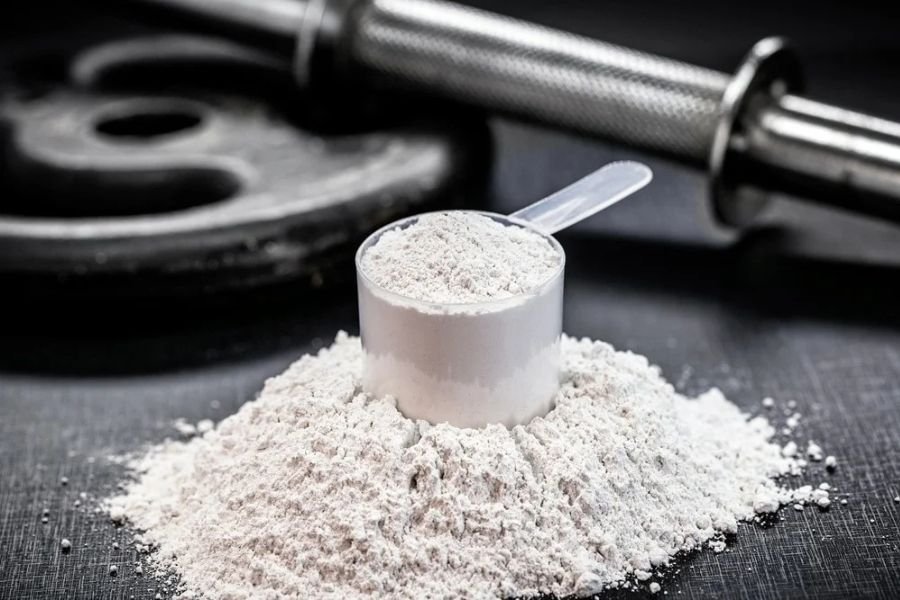
Is Creatine Safe for Teens? Clear Answers for Your Health
A surge in supplement use has many families wondering the same thing right now: is creatine safe for teens? If you are a teen athlete, a parent, or a coach, it can be confusing to sort through bold marketing claims, locker room advice, and cautious medical guidance.
You will find mixed messages for a reason. Creatine has a long track record in adults and even in some pediatric medical conditions, but the research on healthy teens is still limited. This guide walks you through what experts know so far, what is still uncertain, and how you can make safer choices.
What creatine is and how it works
Creatine is a compound your body already makes in small amounts. You also get it from foods like meat and fish. Your muscles store creatine and use it as a quick energy source for short, intense efforts such as sprinting or heavy lifting.
When you supplement with creatine, you increase those muscle stores. In adults, that can:
- Improve performance in high‑intensity, short duration exercise
- Support gains in strength and lean muscle
- Help with recovery between repeated bouts of intense effort
Because of those benefits, creatine is one of the most studied and widely used sports supplements in the world. It is also easily available in powder and pill form, which is part of why so many teens are curious about it.
How many teens use creatine
Creatine is more common in high school gyms than you might think. According to survey data cited by CHOC Children’s, nearly 17 percent of 12th grade males reported using creatine in 2016, and use is especially common among athletes in strength or power sports such as football or wrestling (CHOC Children’s).
A more recent NIH funded survey found that nearly 12 percent of U.S. high school seniors had used creatine without medical supervision in the past year, and that was the largest year over year increase researchers had recorded from 2021 to 2022 (Pediatrics Nationwide).
In other words, if you are hearing about creatine in the locker room, you are not alone.
What major health organizations say
Here is where the guidance can feel conflicting. Different expert groups look at the same evidence and focus on different risks.
Pediatric organizations such as the American Academy of Pediatrics and clinicians at CHOC Children’s take a cautious stance. They recommend that teens under 18 do not use creatine because there are very few long term safety studies in healthy adolescents (CHOC Children’s).
On the other hand, the U.S. Food and Drug Administration has classified creatine as “generally recognized as safe,” or GRAS, for the general population. A scientific review notes that this GRAS designation extends to older children and adolescents based on the data that exist so far (PMC).
This split explains why you might see supplement labels that warn “not for use under 18” even though some researchers argue that these warnings are mainly legal precautions rather than direct reflections of proven harm in teens (Frontiers in Nutrition).
What the research shows about safety in teens
When you look closely at the studies involving adolescent athletes, a pattern emerges.
A review of trials up to 2018 found that creatine use in athletes aged 13 to 18 was generally well tolerated. Across several studies, researchers did not find clinically relevant changes in blood, urine, or cardiovascular markers, and they did not report serious adverse events such as significant gastrointestinal problems or rises in kidney markers during short term supplementation periods (Frontiers in Nutrition).
A more recent review echoes this overall picture. It notes that adolescent creatine supplementation usually shows improvements in several performance related outcomes and that studies consistently report no adverse events, although the number of trials is still small (PMC).
There are some important caveats:
- Most studies are short term, often lasting between 7 days and 8 weeks (PMC).
- No study to date has been designed primarily to test long term safety in healthy youth using gold standard randomized, double blind, placebo controlled methods (Frontiers in Nutrition).
- Many participants are elite athletes in sports like soccer or swimming, so the results might not apply to all teens (Pediatrics Nationwide).
In plain terms, short term use in healthy adolescents has not raised major safety red flags so far, but no one has done the kind of rigorous, long duration studies that would fully answer your question.
Possible risks and side effects for teens
You might have heard dramatic warnings about kidney failure or serious dehydration from creatine. The research in teens does not support those worst case scenarios, but there are still potential risks to consider.
CHOC Children’s points out that possible kidney harm is a concern in youth, especially because some teens may already have undiagnosed kidney issues or may not stay well hydrated during training (CHOC Children’s). Although existing adolescent studies have not shown harmful kidney changes over several weeks of use (Frontiers in Nutrition), those studies are small and short.
There are also case reports and observations of milder side effects in general creatine users, such as:
- Stomach cramping or diarrhea, especially if large doses are taken all at once
- Water retention and a quick increase in body weight
- Muscle cramping in some individuals
One 2019 study in elite soccer players under 18 suggested a possible trend toward airway inflammation with creatine use, which signals that respiratory effects might be worth studying more closely in youth athletes (PMC).
Finally, supplement quality is a real concern. Because creatine is sold as a dietary supplement, it is not reviewed by the FDA in the same way as medications. CHOC Children’s warns that some products could be contaminated or mixed with other substances that are not listed on the label and that could pose health risks for teens (CHOC Children’s).
Why teen bodies are different
You are not just a smaller version of an adult. During adolescence, your body is in a rapid growth phase, especially in terms of lean muscle mass.
A 2023 review from Nationwide Children’s Hospital notes that teens experience significant increases in muscle during puberty. The authors highlight that artificially boosting muscle volume with supplements like creatine during this sensitive window may have effects that are not fully understood yet (Pediatrics Nationwide).
This does not mean creatine is automatically harmful. It does mean that scientists are cautious about assuming that adult data apply perfectly to developing bodies, particularly over a period of years instead of weeks.
Does creatine actually help teen performance?
You might be considering creatine because you want a competitive edge. Here the evidence is mixed.
The 2023 review mentioned above looked at studies in 12 to 18 year old athletes, most of whom were soccer players or swimmers. The researchers concluded that there is not enough evidence to say that creatine consistently improves performance across adolescent athletes as a group (Pediatrics Nationwide).
Some individual studies do report benefits in sprint performance or repeated high intensity efforts. Others show little or no improvement. Because the trials often involve small numbers of participants and different training programs, it is hard to draw a firm, one size fits all conclusion.
In short, creatine may help some teen athletes in specific situations, but it is not a guaranteed shortcut to faster times or bigger lifts. Your training quality, sleep, and nutrition still matter much more than any powder.
Why pediatric experts still say “food first”
Even with relatively reassuring short term safety data, many pediatric specialists recommend that teens leave creatine on the shelf and focus instead on overall nutrition.
CHOC Children’s pediatric experts encourage teens to prioritize:
- Regular, balanced meals that include lean protein, whole grains, fruits, and vegetables
- Enough total calories to support growth and training
- Hydration before, during, and after practices and games
They emphasize that these basics can support performance without the unknown long term risks of creatine during adolescence (CHOC Children’s).
A helpful way to think about it is that creatine is a fine tune adjustment for fully grown athletes who already have the fundamentals in place. For teens, the fundamentals themselves often need attention first.
If your sleep, hydration, and basic diet are not consistent, creatine is unlikely to fix what is really holding your performance back.
If you are still considering creatine
Some families will decide that any unknown long term risk is not worth it. Others may feel comfortable with cautious, supervised use, especially for older teens in elite programs. If you are in that second group, plan to involve a knowledgeable adult and your healthcare team rather than experimenting on your own.
Here are practical steps to take:
-
Talk with your doctor or a sports medicine provider
Share your sport, training schedule, health history, medications, and any family history of kidney or heart disease. Ask directly about creatine and whether there is any reason you personally should avoid it. -
Include your parents or guardians
Open communication helps avoid secret supplement use and allows an adult to help monitor for side effects. -
Choose product quality carefully
Because contamination is a proven risk with some supplements, look for creatine monohydrate products that have been third party tested by programs such as NSF Certified for Sport or Informed Sport. This reduces, but does not eliminate, the chance of unwanted additives. -
Avoid stacking supplements
Combining creatine with other performance boosters or stimulants can make it harder to recognize side effects and can raise your overall risk. More is not always better. -
Start with conservative dosing and watch your body’s response
Many adult protocols use a loading phase followed by a maintenance dose, but some experts skip loading in teens and use lower daily amounts instead. Your provider can guide this. Pay attention to digestion, cramping, and any changes in breathing or energy, and report concerns promptly.
Remember that current evidence suggests short term use in healthy adolescent athletes is probably safe, yet there is still a large gap in knowledge about what prolonged use throughout the teen years might mean (Frontiers in Nutrition, Pediatrics Nationwide).
How to boost performance without creatine
If you decide creatine is not right for you, you still have plenty of ways to build strength and speed safely.
Focus on:
- A structured, sport specific training plan that progresses gradually
- At least 8 to 9 hours of sleep per night, which supports growth, recovery, and hormone balance
- Consistent pre and post workout snacks that include carbohydrates and protein, such as yogurt and fruit, a turkey sandwich, or a smoothie with milk and peanut butter
- Good hydration habits, especially during hot weather or double practices
These habits have powerful effects on performance and health, and they carry far less uncertainty than any supplement.
Key points to remember
- Creatine is one of the most researched sports supplements in adults, and short term studies in teen athletes have not shown serious safety problems so far (Frontiers in Nutrition, PMC).
- Major pediatric groups still recommend that teens avoid creatine because long term safety data in healthy adolescents are missing, and some potential risks such as kidney strain remain a concern (CHOC Children’s).
- A 2023 review found that performance benefits in teens are inconsistent and that there is a major gap in research on long term effects (Pediatrics Nationwide).
- Food, sleep, training quality, and hydration will do more for your performance and health than any supplement.
- If you are still considering creatine, involve your doctor and parents, choose high quality products, and proceed cautiously rather than going it alone.
Use this information as a starting point for a real conversation with your healthcare provider. Your long term health matters more than a short term edge in any single season, and you deserve a plan that respects both your goals and your growing body.
About The Author