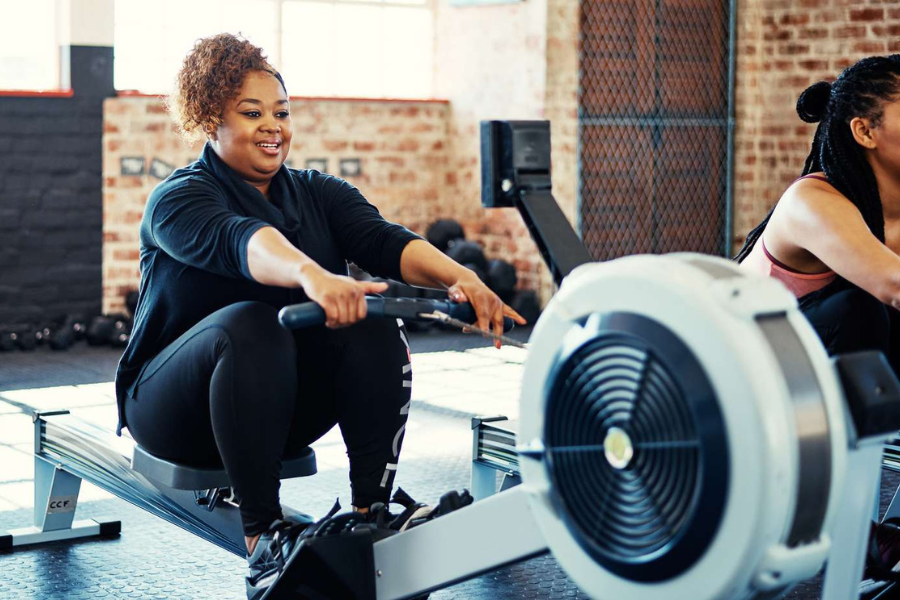
Burn Fat Fast with These Rowing Workouts at Home
If you’re looking for an effective, low-impact way to torch calories without stepping into a gym, rowing workouts at home could be just what you need. This total-body exercise routine not only elevates your heart rate but also engages multiple muscle groups, making it a fantastic tool for burning fat.
Why rowing helps you burn fat
The advantage of rowing goes beyond standard cardio. This activity relies on your entire body, working major muscle groups in your legs, back, and core with every stroke. Because more muscles engage at once, your body uses more energy, which leads to more calories burned. Plus, the aerobic nature of rowing can boost your metabolism, helping you continue torching calories even after your workout ends.
Set up your home rowing station
Before you begin your home routine, it’s a good idea to designate a small space for your rowing machine. Make sure there’s enough room behind and in front of the rower so you can fully extend your arms and legs. You don’t need much, but having a comfortable area to move around increases your overall enjoyment. Take some time to plan this setup so you won’t be distracted by cramped quarters.
Master the correct rowing form
A common mistake with rowing is relying solely on your arms. Proper technique starts with pushing off through your legs, then engaging your core, and finally pulling with your arms. Keep your back straight, shoulders down, and head up. As you extend your arms back to begin the next stroke, reverse the sequence: arms first, then core, and finally bend your legs.
Good posture and rhythm are crucial in avoiding strain and maximizing your workout. If you’re new or uncertain, record yourself on your phone or set up a mirror to check your form. Focusing on the right movements can give you better results in less time.
Warm up for injury prevention
Just like any exercise routine, warming up is essential. Take a few minutes to do gentle stretches that target your shoulders, back, and hips. Light arm circles, hip rotations, and a quick session of bodyweight squats will get your heart rate up and loosen stiff muscles. This preparation helps you row without discomfort once you actually sit down and start your session.
Try these beginner-friendly workouts
When you’re new to rowing workouts at home, it’s best to start slow. Keep your pace controlled and your strokes steady to build endurance and learn proper form. If you’d like some structure, here’s a straightforward beginner routine:
- Warm up by rowing gently for 3 minutes.
- Increase intensity for 2 minutes, then slow down for 2 minutes.
- Repeat the interval cycle 3–4 times, adjusting the duration as you feel comfortable.
- End with a 2-minute cool-down at a relaxed stroke rate.
Working in these shorter bursts keeps boredom at bay and challenges both your cardiovascular system and muscles. Focus on maintaining proper form and breathing deeply throughout each interval. This approach may not look intense at first, but you’ll be surprised at how quickly it builds stamina.
Incorporate interval training
For many people aiming to lose weight, interval training can be a game-changer. Instead of rowing at a steady pace for 20 minutes, you’d alternate between pushes of higher intensity and slower recovery periods. The advantage of this type of workout is that it keeps your heart rate consistently elevated, boosting your fat-burning potential. To get started, you might pick a 1:1 work-to-rest ratio, such as 30 seconds of hard rowing followed by 30 seconds of easy rowing.
As you gain confidence, you can push the work ratio longer or shorten the rest periods. An interval routine doesn’t just bust through plateaus but also shakes up your workout so it never feels dull. In the long run, this method may improve your overall cardiovascular health and muscle endurance.
Advance your routine and track progress
Once you feel comfortable with basic rowing workouts at home, consider adding variety to keep progressing. You could increase the time you spend rowing, raise your stroke rate, or add additional intervals. Some people even incorporate core exercises between rowing sets, like planks or crunches, to strengthen their midsection.
Tracking your progress is an excellent way to stay motivated. Keep a simple log of your workout duration, stroke count, and perceived exertion levels. Over time, you’ll see how much you’ve improved, and those small gains add up to big changes in how you look and feel.
| Level | Session length (a day) | Stroke rate range | Focus |
|---|---|---|---|
| Beginner | 15–20 minutes | 20–24 strokes/min | Building proper form and endurance |
| Intermediate | 20–30 minutes | 25–28 strokes/min | Interval training and stamina |
| Advanced | 30+ minutes | 28+ strokes/min | Power output, varied intervals, speed |
Monitoring your heart rate during rowing can help you tailor each workout to your fitness goals. For fat-burning, staying in a moderate to high-intensity zone ensures you’re pushing yourself without overtraining. Most rowers include built-in monitors that display heart rate, stroke rate, and estimated calories burned, so you have immediate feedback on your performance.
For a more comprehensive approach, you might pair your rowing sessions with wearable fitness trackers that record heart rate variability, calorie burn, and sleep patterns. These insights let you adjust your exercise intensity or rest days, ensuring you remain on track toward your weight-loss and fitness goals. Whether you’re rowing to build endurance or to shed pounds, having accurate data keeps you motivated and helps you fine-tune your routine.
Stay consistent for lasting results
Burning fat fast is achievable, but remember that consistency is key. Aim for rowing sessions at least three days a week, and consider blending in other forms of exercise, such as walking or yoga, for a balanced routine. Proper recovery is also important. Give your muscles time to rebuild by taking rest days or doing lighter activities in between heavier workouts.
While your workout plan matters, the extra details in your daily life make a difference, too. Getting enough sleep, hydrating well, and eating a diet rich in lean proteins, fruits, and vegetables all contribute to your success. Rowing is a powerful component of a healthier lifestyle, but pairing it with good habits and consistent effort is what truly delivers lasting weight-loss results.
About The Author


