How the Carnivore Diet Can Boost Your Health Fast
A lot of diets promise quick results but are hard to follow or leave you feeling hungry and drained. The carnivore diet is different. By focusing only on animal foods, you simplify every meal, cut out nearly all carbohydrates, and may notice some fast changes in your weight, energy, and digestion. Many of the reported benefits of carnivore diet eating show up in the first few weeks, even though long term research is still limited.
Before you overhaul your plate, it helps to understand what the carnivore diet is, how it may improve your health, and where the risks are so you can make an informed choice.
Understand what the carnivore diet is
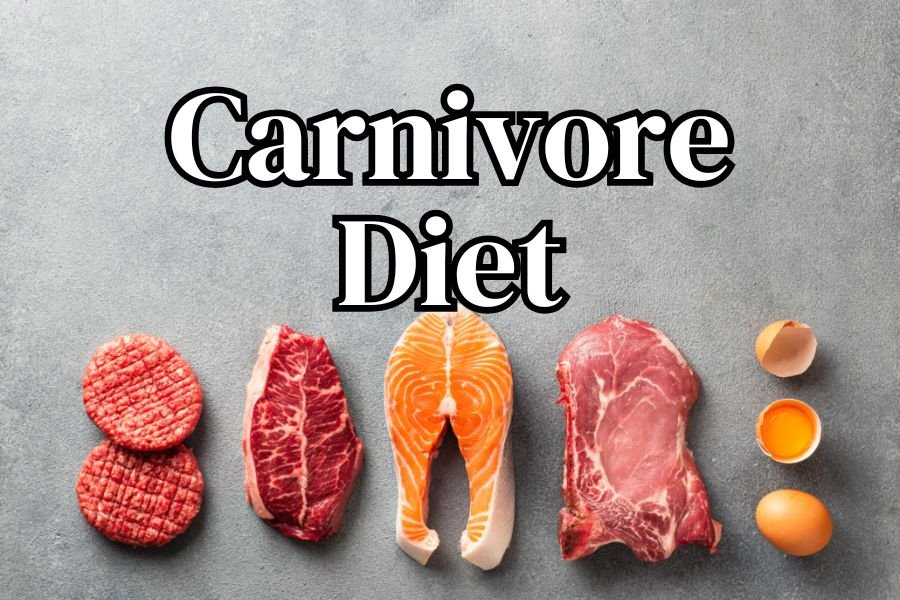
On the carnivore diet, you eat only animal based foods. That means meat, fish, eggs, animal fats, and usually some dairy. Everything plant based is off the table, including fruits, vegetables, grains, legumes, nuts, seeds, and most packaged foods.
You can think of it as an extreme version of keto. While keto allows a small amount of carbohydrates, the carnivore diet aims for virtually zero carbs by focusing on meat, fish, poultry, eggs and a bit of dairy as noted by University Hospitals in 2025 (University Hospitals).
In practice, a typical day might include:
- Breakfast: Eggs cooked in butter and a few slices of bacon
- Lunch: Ribeye steak or grilled chicken thighs
- Dinner: Pork chops, salmon, or ground beef patties
- Snacks: Hard boiled eggs, leftover meat, or bone broth
People who follow this way of eating often talk about simplicity. There is no calorie counting and very little ingredient checking. You mostly decide which cut of meat you want and how you want it cooked.
See how it can support weight loss
If you are interested in the carnivore diet for weight loss, you are not alone. Many people are drawn to it because the rules are simple and results can show up quickly.
Why weight can drop fast
Several features of the diet work together to support weight loss:
- You eliminate almost all carbohydrates. This can lead to a drop in water weight at first, since your body stores carbohydrates with water.
- You eat a lot of protein, which is very filling. Higher protein intake helps you feel full on fewer calories and can support muscle maintenance while you lose fat (British Heart Foundation).
- You naturally cut out processed snacks, sweets, and sugary drinks. These foods are high in calories and easy to overeat, so removing them can create a calorie deficit without strict tracking (Baylor Scott & White).
Experts at Baylor Scott & White note that the carnivore diet is one of the most ketogenic approaches because it allows almost no carbohydrates, which can push your body to burn fat for fuel and contribute to weight loss (Baylor Scott & White). University Hospitals also describes it as an extreme keto diet that can be effective for rapid weight loss for this reason (University Hospitals).
What the research suggests
There is not a lot of long term, high quality research on this diet yet, but some early data shows interesting trends. A 2021 survey based study of 2,029 people who followed a carnivore style diet for at least 6 months found that 95 percent reported better overall health and 69 percent reported improvements in chronic issues such as excess weight, blood pressure, and blood sugar. These results are self reported and not medically verified, so they should be viewed with caution, but they do hint at potential short term benefits (British Heart Foundation).
Registered dietitians also point out that much of the early weight loss on this diet comes from the higher protein intake and cutting out processed foods rather than any magic in being “all meat” (British Heart Foundation).
Balance inflammation and joint pain
One of the most talked about benefits of carnivore diet eating is less inflammation and joint pain. This is especially appealing if you live with arthritis, autoimmune issues, or frequent bloating.
Why inflammation might go down
When you switch to carnivore, you remove many of the foods that commonly irritate people, such as:
- Sugar and refined carbohydrates
- Gluten containing grains
- Seed oils and ultra processed foods
- Certain plant compounds, like lectins and oxalates
Camarata Chiropractic notes that by eliminating these potential gut irritants and inflammatory triggers, some people notice calmer digestion and less joint or muscle pain. They report that many individuals describe improvements in IBS, autoimmune flare ups, skin conditions, brain fog, and fatigue, often credited more to the removal of problematic foods than to meat itself (Camarata Chiropractic).
A review on CarnivoreSnax points out that animal based diets provide omega 3 fats, vitamin B12, and iron. Omega 3 fats are known for their anti inflammatory effects and these key nutrients support muscle recovery and overall health (CarnivoreSnax). The same article highlights research suggesting that low carbohydrate diets can reduce some inflammation markers more effectively than low fat diets, which supports the idea that dropping carbs may help lower inflammation in the short term.
Managing expectations
While many people say their pain and swelling improve, large clinical trials are still missing. The British Heart Foundation notes that some followers report less inflammation, although they also point out that processed and red meats can have the opposite effect in other contexts, so results likely vary from person to person (British Heart Foundation).
If inflammation is a big concern for you, it may be helpful to work closely with your doctor and track how your symptoms change if you try a more animal focused approach, even if you do not go fully carnivore.
Stabilize blood sugar and energy
Another early benefit you may notice on the carnivore diet is steadier energy. This is tied to how your body handles blood sugar and insulin.
When you eat carbohydrates, particularly refined ones, your blood sugar can rise quickly and then crash. Over time, these swings are linked to fatigue, cravings, and higher risk of metabolic problems.
By removing nearly all carbohydrates, the carnivore diet encourages very stable blood sugar levels. Camarata Chiropractic explains that cutting out sugar and refined carbs reduces insulin spikes and metabolic stress, which can be especially helpful if you have insulin resistance or metabolic syndrome (Camarata Chiropractic).
The British Heart Foundation also notes that protein and fat based meals, like those on the carnivore diet, tend to cause lower blood sugar spikes compared with high carbohydrate meals. This can translate into fewer crashes and more consistent energy through the day (British Heart Foundation).
Some people report that this stability helps reduce cravings and makes it easier to stick to the diet because they are not constantly hungry or thinking about their next snack.
Explore potential mental health benefits
Surprisingly, one of the more dramatic sets of stories around the carnivore diet focuses on mental health. Supporters claim changes such as clearer thinking, better mood, and even improvement in serious psychiatric symptoms.
At the Boulder Carnivore Conference in 2019, presenters highlighted many cases where people reported resolution or major relief of long standing mental health issues after shifting to an all meat diet (Psychology Today). Psychology Today notes that carnivore style diets can cause rapid shifts in brain and body chemistry, which appear to be positive in many individuals, and some experts speculate that this may correct certain chemical imbalances in the brain.
There is also the gut brain angle. Camarata Chiropractic describes how removing irritating foods and calming the gut may reduce immune system overstimulation, stabilize cortisol and stress hormones, and improve the gut brain axis. This kind of regulation can in theory lower inflammation that affects your nervous system and mood (Camarata Chiropractic).
It is important to remember that, so far, these are mostly anecdotes, not proof. If you are taking psychiatric or other medications, Psychology Today emphasizes that you should work closely with your prescribing clinician before trying carnivore. Shifts in diet can change how your body processes medications, especially during the first month or two (Psychology Today).
Weigh the risks and limitations
For all the possible benefits of carnivore diet eating, there are also serious concerns. Major health organizations and dietitians repeatedly caution against using it as a long term, one size fits all solution.
Nutrient gaps and long term health
The carnivore diet completely eliminates fruits, vegetables, whole grains, beans, nuts, and seeds. These foods provide fiber, antioxidants, and many vitamins and minerals. Over time, avoiding them may lead to deficiencies and digestive problems.
Cleveland Clinic and St. Vincent’s Medical Center both warn that this restrictive pattern can leave you short on important nutrients and increase your risk of issues like constipation, higher LDL cholesterol, and potentially colon cancer due to the lack of fiber and high red meat intake (Cleveland Clinic, St. Vincent’s Medical Center). Experts at Baylor Scott & White and University Hospitals similarly describe the diet as difficult to sustain and potentially risky if followed long term because entire food groups are off limits (Baylor Scott & White, University Hospitals).
Sustainability and lifestyle fit
Many people find the first few weeks exciting. Food choices are simple and early weight loss is motivating. The bigger challenge is often social and emotional. Eating only meat can feel isolating at restaurants, holidays, and family gatherings. Over time, cravings for variety may grow stronger, which can lead to cycles of strict eating followed by rebound overeating.
Several dietitians suggest that for most people, a balanced eating pattern that includes vegetables, proteins, and healthy carbohydrates will be easier to keep up for years and may be safer overall. Shannon Haynes, RD, recommends the MyPlate approach, where half your plate is vegetables and the rest is split between protein and carbohydrates, as a more sustainable way to manage weight and health compared with a strict carnivore plan (St. Vincent’s Medical Center).
If you are curious about the carnivore diet, you do not have to think in “all or nothing” terms. You might decide to experiment short term, or simply lean more toward whole, animal based foods while still including plants that agree with you.
Decide if carnivore is right for you
The potential benefits of carnivore diet eating include quick weight loss, reduced intake of processed foods, more stable blood sugar, possible improvement in inflammation, and even mental clarity for some people. However, these positives come with important trade offs, such as nutrient gaps, high intake of red and processed meats, and high difficulty sticking with the plan over time.
If you are considering this diet, it can help to:
- Talk with your doctor or a registered dietitian first, especially if you have chronic health conditions, high cholesterol, digestive issues, or take medications.
- Set a clear time frame if you choose to experiment, such as 2 to 4 weeks, and monitor how your weight, energy, digestion, mood, and lab results change.
- Plan how you will transition afterward, whether you decide to stay mostly animal based or reintroduce carefully chosen plant foods.
You deserve an eating approach that works for your body and your life. Use what you now know about the carnivore diet as one option among many, and choose the version of healthy eating that you can see yourself enjoying in the long run.
About The Author


