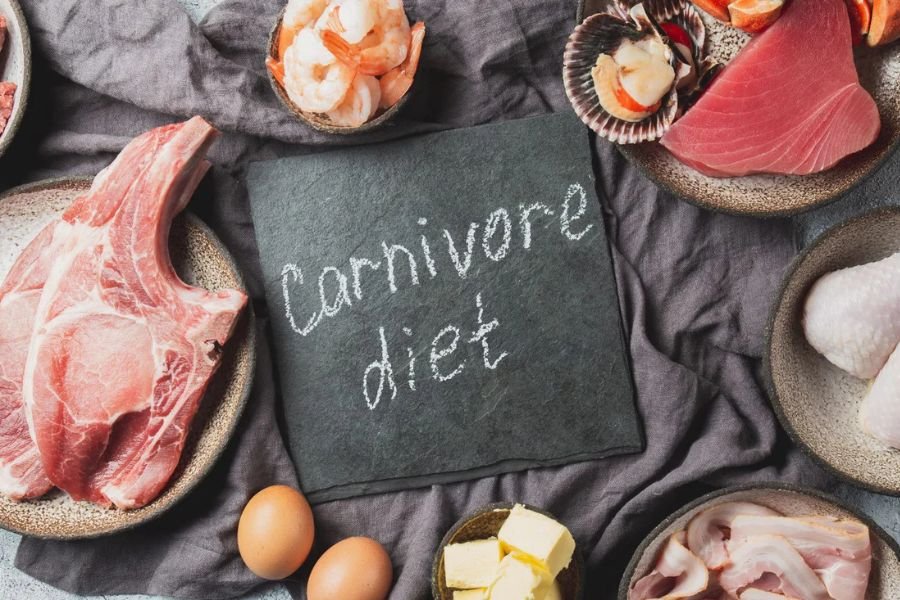
Tasty Carnivore Diet Recipes to Power Your Day
A carnivore diet can sound restrictive at first, but with the right carnivore diet recipes you can build satisfying meals that support weight loss and better energy. By focusing on quality animal foods like beef, poultry, seafood, eggs, and full fat dairy, you create simple dishes that are naturally low in carbs and high in protein and fat. That combination often helps you feel fuller for longer, which can make it easier to stay in a calorie deficit without feeling deprived.
You also have the option to treat carnivore as a short term elimination diet. Many people use it for a few weeks to identify which plant foods might be triggering issues, then slowly add those foods back. The recipes below help you keep meals interesting so you can decide if this approach works for your body and your goals.
Understand the basics of carnivore diet recipes
On a true carnivore diet, you stick almost entirely to animal foods. That usually means meat, poultry, fish, seafood, eggs, and some dairy products. The idea is to remove carbohydrates and plant based foods so you rely on protein and fat for energy. This way of eating is popular among keto and primal enthusiasts, especially those who enjoy a low carb lifestyle that focuses on whole, minimally processed animal foods (Primal Kitchen).
Most carnivore diet recipes are built around simple cooking methods like pan searing, grilling, baking, or slow cooking. You typically use animal fats such as butter, tallow, or ghee, and season with salt and basic spices like pepper, paprika, or garlic powder, which are commonly included on more flexible versions of the diet (WebMD). When you keep your ingredient list short, it is easier to track what you are eating, prepare meals quickly, and avoid hidden sugars or starches.
Choose the right foods for your meals
If you want to follow the carnivore diet in a way that supports both health and weight loss, your food choices matter. The foundation of your carnivore diet recipes will be animal proteins, but there is still a lot of variety within that category. You can work with different cuts, fat levels, and cooking styles so you do not feel like you are eating the exact same plate every day.
Allowed foods typically include red meat like steak, ground beef, and chuck roast, as well as chicken, pork, lamb, and other poultry. Seafood options such as salmon, trout, oysters, and clams can add variety and bring more omega 3 fats into your plan. Eggs and full fat dairy like cheese, yogurt, and milk might also fit, depending on how strict you want to be and how well you tolerate dairy (WebMD).
To round out your recipes, you use animal based fats like butter, beef tallow, or ghee for cooking, then season with salt and a short list of spices that you tolerate. WebMD notes that seasonings such as chili paste, cumin, paprika, garlic, and simple spice blends can be used to boost flavor while keeping the dish largely animal focused (WebMD). If you want to follow a more classical carnivore plan, you would rely mostly on salt and perhaps a small amount of pepper.
Build simple carnivore breakfasts
Breakfast on a carnivore diet is usually fast to prepare and very filling. Since you are skipping toast, fruit, and oats, you focus on eggs, meat, and dairy that will keep you satisfied until lunch. A protein heavy breakfast can be especially helpful if you are trying to control cravings later in the day.
One easy idea is scrambled eggs with ground turkey or turkey bacon. WebMD lists scrambled eggs with turkey as a sample carnivore dish, and you can adjust the ratio of eggs to meat based on how hungry you are (WebMD). Cook the turkey in butter or ghee until browned, then add beaten eggs and stir until softly set. Top with a little shredded cheese if you tolerate dairy.
If you prefer something you can batch cook, consider making egg muffins or a crustless quiche. Whisk eggs with heavy cream, fold in chopped cooked bacon or sausage, then bake in a greased muffin tin. Once cooled, you can store these in the fridge and reheat for a quick morning meal. Pair with a few slices of leftover steak or chicken if you need extra protein.
Create satisfying lunches and dinners
Lunch and dinner is where carnivore diet recipes really shine, because you can take advantage of different meats and cooking methods. Many people find it easiest to plan a large protein for dinner, then repurpose leftovers for the next day’s lunch. This keeps cooking time reasonable, even when you are eating a lot of home cooked meat.
A classic option is a slow cooked chuck roast or beef short ribs. Season generously with salt and any approved spices, sear in tallow, then braise in its own juices until fork tender. Since carnivore relies on fat for energy, choosing fattier cuts like chuck, ribeye, or pork shoulder can keep you full with smaller portions.
Seafood is another smart choice, especially if you want to balance red meat with other animal proteins. Primal Kitchen notes that carnivore meal plans often highlight wild caught seafood like salmon and trout as part of their mostly meat lineup (Primal Kitchen). You might bake salmon fillets with butter and salt, pan sear shrimp in garlic infused ghee, or simmer canned salmon in a creamy sauce for a quick skillet meal.
Try specific carnivore friendly recipe ideas
When you are just starting, it helps to have a few concrete recipe ideas you can put on your weekly meal plan. You do not need complicated sauces or long ingredient lists. Instead, you build a small rotation of dishes that you actually enjoy eating and that fit your schedule.
Here are a few examples drawn from common carnivore style meals:
- Scrambled eggs with turkey or turkey bacon cooked in butter
- Salmon patties made with canned salmon, turkey bacon, egg, and dried dill, which WebMD cites as a carnivore friendly recipe idea (WebMD)
- A creamy chicken casserole using shredded rotisserie chicken, cream cheese, sour cream, shredded cheddar, and simple seasonings, baked at 350°F until bubbly (WebMD)
- Pan seared ribeye steak with a side of scrambled eggs and melted cheese
- Pork chops baked with butter and a light paprika and garlic rub
If you want even more inspiration, Primal Kitchen has a curated collection of breakfast, lunch, and dinner recipes that are built around meat and other animal foods. These dishes are designed to stay flavorful despite a limited ingredient list, which can make it easier to stick with carnivore for a week or longer as you evaluate how you feel (Primal Kitchen).
Plan snacks and quick bites
You might find that large, fatty meals keep you full for many hours. If you still like having something between meals, you can keep a few carnivore friendly snacks on hand. The key is to stay within your chosen version of the diet while avoiding the mindless snacking that can slow down weight loss.
WebMD notes that carnivore snacks should stay animal based and avoid fruits, vegetables, grains, legumes, nuts, and seeds (WebMD). That leaves you with options like hard boiled eggs, sliced cheese, leftover steak bites, cold cuts without added sugar, or a small serving of plain full fat yogurt if you include dairy. You can also crisp up thin strips of meat in the oven to make your own simple jerky like snack without added carbs.
If you want to avoid grazing, you can instead increase the fat content of your main meals. For example, add an extra pat of butter to your steak or choose a fattier ground meat blend. This often keeps you satisfied long enough to skip snacks entirely.
Use condiments and seasonings wisely
Flavor makes any way of eating easier to maintain, and the carnivore diet is no exception. You do need to read ingredient labels closely, since many sauces and condiments contain sugar, starch, or plant oils. However, with a bit of attention you can keep your carnivore diet recipes interesting without accidentally adding a lot of carbs.
According to WebMD, many carnivore friendly cooks season their food with salt, pepper, paprika, cumin, garlic, and chili paste to bring variety to otherwise simple dishes (WebMD). If you tolerate a small amount of herbs and spices, you can experiment to see what works for your digestion and your taste buds.
Primal Kitchen also points out that condiments made with quality fats, such as avocado oil based mayonnaise, can be used to enhance carnivore style meals, especially if you are following a slightly more flexible approach that still focuses heavily on meat (Primal Kitchen). A simple example would be mixing mayo into canned salmon or tuna to create a quick, creamy salad you can eat by the spoonful.
If you are aiming for strict carnivore, you can always start with only salt, then slowly trial one seasoning at a time and watch how your body responds.
Set up your kitchen and daily routine
To make carnivore diet recipes a regular part of your life, it helps to prepare your kitchen and routine in advance. Otherwise, you might find yourself without anything to eat that fits your plan, which makes it harder to stick to your goals around weight and health.
WebMD recommends clearing out carbohydrate rich foods from your pantry and fridge, then focusing your grocery shopping on the meat, poultry, and seafood sections (WebMD). After that, you can add eggs, cheese, cream, and butter if those fit your version of the plan. Keeping your kitchen stocked with simple staples makes it much easier to throw together a quick meal when you are hungry.
You can also batch cook a few key proteins each week, such as a large roast, a pack of chicken thighs, and a tray of burger patties. Store these in the fridge so that you can mix and match them with eggs, cheese, and simple sauces. Over time, you will build a personal list of favorite carnivore diet recipes that feel effortless to prepare.
Final thoughts
If you are curious whether a carnivore diet might help you lose weight or improve how you feel, starting with straightforward carnivore diet recipes is a practical first step. Focusing on high quality meats, seafood, eggs, and dairy where tolerated gives you plenty of protein and fat to stay satisfied, while avoiding the processed carbohydrates that often drive cravings.
Begin by choosing one or two breakfast options, two or three easy dinners, and a short list of snacks you enjoy. Shop for those ingredients, cook a couple of recipes, and pay close attention to your energy, digestion, and hunger. From there, you can decide whether a short carnivore phase, a flexible animal focused plan, or a different approach altogether is the best fit for your long term health.
About The Author