Avoid Mistakes with This Simple Paleo Diet Grocery List
A paleo diet grocery list can feel confusing at first. Are potatoes allowed, what about bacon, and which snacks can you actually keep on hand without falling off track? With a simple plan, you can skip the guesswork, avoid common mistakes, and stock your kitchen with food that supports weight loss and better health.
Below, you will build a clear, beginner friendly paleo diet grocery list that you can use every week, plus tips to avoid the most common shopping pitfalls.
Understand the basics of the paleo diet
Before you add anything to your cart, you need a quick snapshot of what a paleo diet really is. At its core, paleo focuses on eating like your hunter-gatherer ancestors, which means whole foods that could be hunted or gathered, and very little that comes with a barcode.
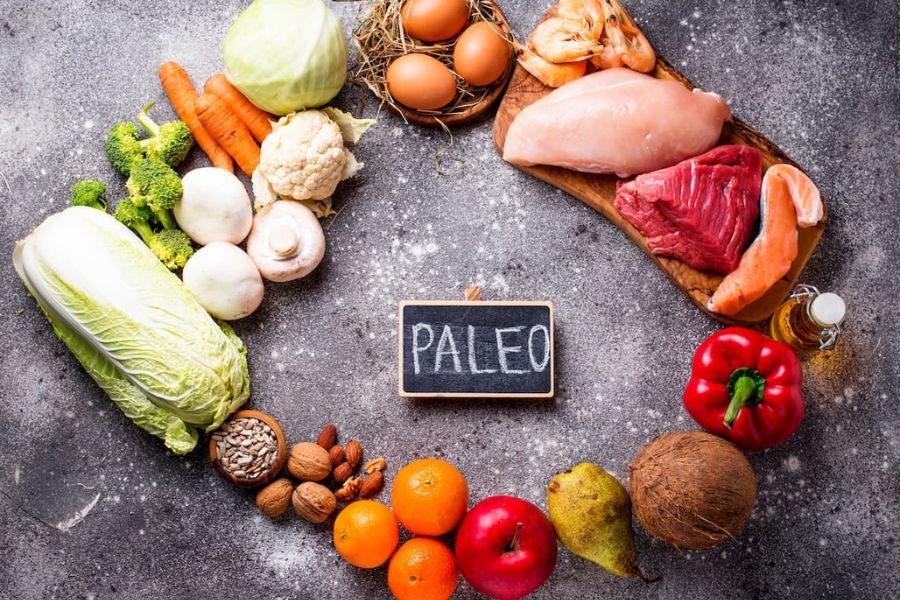
You prioritize fruits, vegetables, high quality proteins like grass-fed meat and wild seafood, and healthy fats. You avoid processed foods, refined sugar, grains, dairy, and legumes, which do not fit the traditional paleo template as of 2024 (EatingWell, Healthline).
Think of your plate as mostly vegetables, some protein, and a modest amount of healthy fat, with fruit as your main “sweet” option. This mindset will make every grocery decision easier.
Start with paleo diet essentials
If you are new to paleo, you do not need a complicated list. Focus on a short set of staples, then build variety over time. Here is a simple structure you can follow on every trip.
- A protein for each meal
- Plenty of nonstarchy vegetables
- Some fruit
- A few healthy fats
- Simple pantry items for cooking and flavor
You can fill in each category with options you enjoy, as long as they line up with paleo guidelines.
Choose high quality proteins
Protein is the backbone of your paleo diet grocery list. It keeps you full, supports muscle, and helps stabilize blood sugar, which is key if you want to lose weight without feeling deprived.
Meat and poultry
On paleo, you are encouraged to choose the highest quality meat you can reasonably afford. Grass-fed beef and lamb are leaner than grain-fed meat and contain more omega 3 fatty acids, which may help reduce inflammation and support heart health (EatingWell). Many paleo resources also suggest pasture-raised pork and poultry when possible for better fat quality and fewer additives (Whole Foods Market, Nerd Fitness).
When you shop, you can look for options like:
- Grass-fed ground beef or steaks
- Pork shoulder roast or pork chops
- Organic or pasture-raised chicken thighs, breasts, or whole chickens
- Turkey, duck, or other poultry if you like more variety
You do not have to be perfect, but aim for fewer processed meats and more simple cuts you can season yourself.
Seafood and eggs
Wild caught seafood is highly encouraged on most paleo diet grocery lists. It tends to be rich in omega 3 fats, and you can usually find at least one or two budget friendly options in the frozen section. Guides from Nerd Fitness and Whole Foods Market both highlight wild caught salmon, tuna, shrimp, cod, and sardines as great staples (Nerd Fitness, Whole Foods Market).
Canned wild salmon, sardines, and tuna can be pantry basics for quick meals. Just check that there is no added sugar or questionable oils in the ingredients list.
Eggs are another paleo friendly protein that works for any meal of the day. You can hard boil a batch for snacks, breakfast, or to slice over a salad. Pasture-raised or organic eggs are often recommended when available.
Fill your cart with vegetables
If you picture paleo as plate after plate of meat, you will be pleasantly surprised. In practice, vegetables make up the bulk of a smart paleo diet, especially if you are focused on weight loss and long term health.
Nonstarchy vegetables as your base
Most paleo resources agree that you can eat nonstarchy vegetables in generous amounts. This includes:
- Leafy greens like spinach and kale
- Cruciferous vegetables like broccoli, cauliflower, and Brussels sprouts
- Colorful choices like bell peppers, carrots, and beets
- Everyday basics like onions, zucchini, cucumbers, and asparagus
Nerd Fitness and Whole Foods Market both promote a wide range of vegetables including asparagus, broccoli, spinach, kale, carrots, and riced cauliflower to encourage diverse nutrient intake (Nerd Fitness, Whole Foods Market).
You can buy a mix of fresh and frozen. Frozen vegetables are usually picked at peak ripeness and can be just as nutritious, and they are perfect for nights when you are short on time.
Starchy vegetables in moderation
Starchy vegetables are still allowed on many versions of the paleo diet, just in more moderate amounts, especially if you are watching your weight or blood sugar. This includes potatoes and sweet potatoes, which are mentioned as paleo friendly in several grocery lists, though very strict paleo approaches may limit or avoid white potatoes (EatingWell, Nerd Fitness).
You might treat these as your main carb source on days you are more active, instead of bread or pasta. Roasted sweet potatoes, for example, can stand in for rice or noodles in many dishes.
Pick fruit that fits your goals
Fruit is very much part of most paleo plans, but there is still room for smart choices based on your goals.
If you are trying to lose weight, you may want to focus on fruits that are lower in sugar and enjoy higher sugar fruits in smaller portions. Nerd Fitness points to options like limes, lemons, and cranberries as lower sugar choices, and even suggests avoiding dried fruit and juice if weight loss is a priority (Nerd Fitness).
Fresh fruit like apples, berries, citrus, and seasonal options can easily fit into your grocery list. Healthline notes that common paleo friendly snack fruits include apples and bananas, but again, you may want to keep banana portions modest if you are sensitive to sugar swings (Healthline).
If you enjoy a sweeter snack, prepackaged dried mango slices such as 365 by Whole Foods Market Organic Mango Slices can be a treat, as long as you watch portion size and check that there is no added sugar (Whole Foods Market).
Stock healthy paleo fats
Healthy fats are an important part of the paleo diet, especially when you are cutting out grains and most processed snacks. They help you feel satisfied, support hormone health, and keep your meals flavorful.
Nuts and seeds
Nuts and seeds are a go to paleo snack because they provide fat, fiber, and some protein. Historically, they likely provided an important energy source for hunter gatherers, and modern paleo guides still treat them as staples (Kevin’s Natural Foods).
You can look for:
- Raw or dry roasted almonds, walnuts, and cashews
- Sunflower seeds, pumpkin seeds, and chia seeds
- Nut butters made with only nuts and salt
Peanuts are not included, since they are technically legumes and are generally excluded on paleo due to their lectin and phytic acid content (EatingWell).
Healthline also highlights paleo friendly options like raw almonds, chia seeds, cashew butter, and other nut based snacks that can make your grocery list more interesting without moving away from your plan (Healthline).
Oils and cooking fats
You will also want a few cooking fats that align with paleo guidelines. Paleo approved oils include:
- Extra virgin olive oil
- Avocado oil
- Coconut oil
- Walnut, macadamia, and flaxseed oils in smaller amounts
These are favored because they come directly from plants and require relatively simple processing, unlike many vegetable oils. Processed vegetable oils and artificial sweeteners are excluded in most paleo approaches, partly due to their heavy processing and potential health effects (EatingWell).
Whole Foods Market also calls out ghee and animal fats like tallow or lard as pantry staples for cooking, as long as they come from high quality sources (Whole Foods Market).
Add simple paleo pantry staples
A few well chosen pantry items can turn basic ingredients into satisfying meals so you do not feel tempted by processed convenience foods.
According to Whole Foods Market, common paleo pantry essentials include:
- Bone broth for soups and sipping
- Apple cider vinegar for dressings and marinades
- Coconut aminos as a soy sauce alternative
- Almond butter and other nut butters
- Nut based flours like almond flour
- Arrowroot starch for thickening sauces
- Alternative sweeteners like stevia or monk fruit in small amounts (Whole Foods Market)
You do not need everything at once. Start with one or two items that fit how you like to cook, such as almond flour if you love baking or coconut aminos if you crave stir fries.
Plan easy paleo snacks
Snacks are where many people accidentally drift off plan. If you grab whatever is closest when you are hungry, you usually end up with chips, cookies, or protein bars that are not actually paleo.
To prevent this, use your paleo diet grocery list to stock a few ready to eat items so snacks become an easy win instead of a weak spot.
Healthline suggests paleo friendly snack options such as:
- Raw almonds and other nuts
- Chia seeds and cashew butter
- Non dairy milk
- Fresh fruit like apples and bananas
- Avocados
- Turkey sticks from pasture raised sources
- Coconut yogurt
- Sweet potatoes you can quickly roast or microwave (Healthline)
Whole Foods Market highlights convenient ideas like precut veggies with no sugar added nut butter or paleo approved dressing, bone broth for a warm snack, and nuts such as roasted salted pistachios for a crunchy bite (Whole Foods Market).
If you enjoy something you can sip, bone broth options like Kettle & Fire provide protein and collagen, and they fit well into a paleo snack plan (Whole Foods Market).
Avoid common paleo grocery mistakes
Knowing what to buy is only half the battle. You will get better results if you also recognize the traps that can sabotage your paleo diet grocery list.
Buying “paleo” processed foods
Many products are marketed as paleo friendly, but still count as heavily processed foods that go beyond the simple, whole food spirit of paleo. Whenever possible, choose real food ingredients and read labels carefully. The closer it is to something your ancestors could have recognized, the better.
If you do buy paleo style bars, crackers, or chips, treat them as occasional extras and lean on whole foods like nuts, seeds, fruits, vegetables, meat, and eggs as your staples.
Letting dairy and grains sneak back in
Classic paleo avoids dairy, grains, and legumes. Some flexible versions may allow exceptions, such as a bit of white rice for certain people, but this is definitely not considered part of a strict paleo template (Kevin’s Natural Foods).
If you are using paleo specifically for weight loss or to address digestion or inflammation, you might get clearer results if you limit these foods, at least for a trial period. That means skipping everyday items like bread, pasta, cereal, yogurt, and cheese on your main grocery runs.
Ignoring vegetables
It is easy to focus on meat and forget that most experts recommend vegetables as the foundation of your paleo diet. Both Kevin’s Natural Foods and EatingWell emphasize fruits and vegetables as the bulk of your daily intake, particularly a wide variety of fresh vegetables (Kevin’s Natural Foods, EatingWell).
A simple rule is to fill half your plate with nonstarchy vegetables at most meals, then add your protein and healthy fats.
If you remember one rule when you shop, let it be this: choose foods with short ingredient lists or no ingredient list at all.
Put your paleo grocery list into action
To make this feel practical, you can build one simple paleo diet grocery list you can come back to every week and adjust as needed.
For example, your cart might include:
- Proteins: grass fed ground beef, organic chicken thighs, wild caught frozen salmon, pasture raised eggs
- Vegetables: spinach, broccoli, carrots, zucchini, frozen mixed vegetables, sweet potatoes
- Fruit: apples, berries, lemons, one bag of frozen fruit for smoothies
- Fats: extra virgin olive oil, coconut oil, raw almonds, sunflower seeds
- Pantry: bone broth, apple cider vinegar, coconut aminos, almond butter
- Snacks: precut veggie pack, roasted pistachios, canned wild salmon, coconut yogurt
From there, you can mix and match simple meals like roasted chicken with vegetables, skillet ground beef with cauliflower rice, salmon with sweet potato and greens, or big salads topped with eggs or canned salmon.
If you start with this kind of structure, you avoid the biggest paleo shopping mistakes and make it much easier to stick with your plan. On your next trip, try picking one new vegetable or fruit to add for variety, and watch your paleo diet grocery list slowly turn into a habit that feels natural and sustainable.
About The Author





