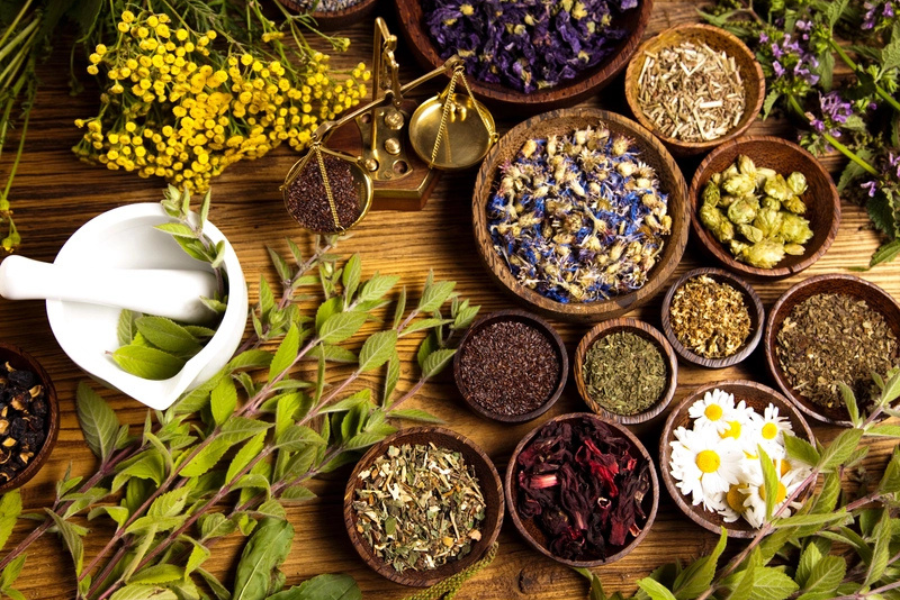
Natural Health Remedies That Might Surprise You With Results
A cup of ginger tea for nausea. A warm compress on a stiff neck. A spoonful of honey when your throat burns. Many natural health remedies are simple, affordable ways to feel better, and some have more scientific support behind them than you might expect.
At the same time, “natural” does not automatically mean “safe” or “effective.” If you are curious about natural health remedies, you are not alone. Traditional, complementary, and integrative medicine is used in 170 countries, and in many regions 40 to 99 percent of people report using some form of it for their health needs (WHO). The key is to lean on options with the best evidence and to use them wisely.
Below, you will learn about natural health remedies that may genuinely help, what science says about them, and how to use them safely alongside conventional care.
Understand what “natural health remedies” really are
Natural health remedies include a wide range of approaches. Some come from long traditions of healing, others from modern nutrition and lifestyle medicine.
You will often see the broader term “complementary and alternative medicine,” or CAM. It covers systems like acupuncture and naturopathy, mind body approaches like meditation, biologically based treatments such as herbs and supplements, and hands on therapies like massage and chiropractic care (Int J Health Sci).
Traditional medicine in many cultures focuses on nature based remedies and on restoring balance in mind, body, and environment, which is quite different from how modern biomedicine is organized (WHO). Around 40 percent of today’s pharmaceutical products actually come from natural sources, including aspirin and artemisinin for malaria, both of which were originally rooted in traditional medicine knowledge (WHO).
So you are not choosing between “real” medicine and “natural” medicine. You are choosing between methods that are tested, understood, and used appropriately and those that are not.
Try kitchen staples that have real science behind them
You probably already have a few effective natural remedies in your pantry. Used thoughtfully, they can support your health and sometimes reduce your need for over the counter drugs.
Turmeric for joint pain and inflammation
Turmeric has been used in Ayurvedic medicine for almost 4,000 years. Its active compound, curcumin, has notable anti inflammatory properties. Some studies suggest curcumin can reduce arthritis pain more effectively than 50 milligrams of diclofenac sodium, a common anti inflammatory drug, and can work about as well as ibuprofen for knee osteoarthritis pain relief (Healthline).
If you want to try it:
- Typical supplemental dose: 2 to 5 grams of turmeric daily, often with black pepper to boost absorption
- Timeline: you may need 4 to 8 weeks of consistent use to notice benefits (Healthline)
You should talk with your doctor first if you take blood thinners, have gallbladder disease, or are scheduled for surgery, since turmeric can affect bleeding and bile flow.
Ginger for nausea and everyday aches
Ginger is more than a flavor booster. It helps reduce pain and nausea by blocking certain inflammatory compounds and providing antioxidants that can break down existing inflammation (Healthline). Unlike NSAIDs, it does this without the same level of risk to your stomach and kidneys.
You can use ginger to ease:
- Mild nausea, including motion sickness
- Short term digestive upset
- Muscle soreness after a workout or minor pain flares
Fresh ginger tea, grated ginger in meals, or standardized supplements are all options. If you take blood thinners or have a bleeding disorder, check in with your clinician before using large amounts.
Garlic for heart and immune support
Garlic has been studied for its ability to fight germs, protect the heart, and reduce inflammation. It may help lower cholesterol and blood pressure in some people, which is why it is often recommended for cardiovascular health support (University of Rochester Medical Center).
However, garlic also increases bleeding risk. If you are on blood thinners or have surgery scheduled, you should avoid high dose garlic supplements unless your doctor says they are safe for you (University of Rochester Medical Center).
Peppermint for IBS and tension
Peppermint is not just a soothing tea. Peppermint oil has been shown to reduce symptoms of irritable bowel syndrome by calming spasms, diarrhea, and abdominal pain. It can activate anti pain channels in the colon and make digestion feel more comfortable (Healthline).
You can also use peppermint tea or diluted peppermint oil to help:
- Relieve tension headaches by applying a small amount to the temples
- Soothe cold symptoms and mild body discomfort
Avoid peppermint oil capsules if you have severe reflux unless your doctor approves, since it can relax the lower esophageal sphincter and worsen heartburn in some people.
Use herbs for mood, sleep, and immune support carefully
Herbs for stress, sleep, and immunity are popular, and many people feel real benefits. This is also the area where “natural” can be most misleading because of interactions and side effects.
Chamomile for calm and sleep
Chamomile tea is one of the gentlest remedies you can try. It is widely used in the United States for anxiety and relaxation and in Europe for wound healing and reducing inflammation (University of Rochester Medical Center).
For most adults, chamomile is considered safe, and it can be a comforting nightly ritual if you struggle to unwind. It may increase tiredness and can affect how certain medicines work, especially if you combine it with other sedating drugs, so a quick check with your provider is still wise.
Echinacea, ginkgo, and feverfew: popular but not always proven
Some of the most talked about immune and brain boosting herbs have more mixed evidence than the marketing might suggest.
- Echinacea is often used to treat or prevent colds and flu. Studies show mixed results and long term use may affect your immune system. Short term use only is recommended (University of Rochester Medical Center).
- Ginkgo leaf extract is promoted for memory, dementia prevention, and circulation. It may increase bleeding risk and must not be combined with blood thinners, NSAIDs, certain antidepressants, or anticonvulsants. The seeds are toxic and can cause seizures or death (University of Rochester Medical Center).
- Feverfew is used for migraine prevention and arthritis. Chewing the leaves can cause mouth ulcers and digestive upset, and you should not use it with NSAIDs or blood thinners like warfarin (University of Rochester Medical Center).
These herbs are reminders that even long used plants need the same kind of careful evaluation that conventional drugs receive.
Natural products are made of chemicals too, and they can be powerful in both helpful and harmful ways. Knowing the science behind them is essential if you want to use them safely (NCCIH).
Soothe pain with topical remedies
Topical remedies let you treat pain at the surface, which may lower the amount of oral medication you need.
Capsaicin cream for nerve and muscle pain
Capsaicin, the spicy compound in chili peppers, is used in prescription strength patches like Qutenza to manage certain pain conditions. Applied to the skin, capsaicin first creates a warming or burning sensation and then reduces the pain signal, which can help with sore muscles and neuropathic pain (Healthline).
You can make a homemade version by blending cayenne with a carrier like coconut oil, but you must be very careful. Wear gloves, keep it away from eyes and mucous membranes, and test a very small amount on your skin first to check for irritation.
If you have sensitive skin, nerve damage, or circulation issues, you should talk to a clinician before experimenting with capsaicin creams.
Support your immune system with food based remedies
Your daily food choices are some of the most powerful and accessible “natural remedies” you have.
Mushrooms and medicinal plants with antioxidant power
Shiitake mushrooms contain lentinan, also known as AHCC, which has antioxidant and anti inflammatory effects at the cellular level. Early research suggests that eating 5 to 10 grams per day for about four weeks may support your immune system and possibly help inhibit certain cancer cells, including breast cancer, although more research is needed (Healthline).
More broadly, many medicinal plants have antioxidant activity that appears helpful for conditions like diabetes, cardiovascular disease, atherosclerosis, some cancers, and even memory issues and Alzheimer’s disease. Their antioxidants may also reduce toxicities from other drugs and environmental toxins (NCBI PMC).
You can bring these benefits into your routine by:
- Eating a wide variety of colorful fruits and vegetables
- Including mushrooms, herbs, and spices like turmeric and ginger in your cooking
- Limiting ultra processed foods that introduce more oxidative stress
Avoid common myths about “natural” products
Marketing and social media often treat “natural” as a synonym for “harmless” and “better.” The research tells a more complex story.
Researchers have found that many people believe nature is pure and superior to human made products, and this bias can strongly influence health decisions (NCCIH). In reality:
- Many natural products such as echinacea for colds and ginkgo for dementia have failed to show clear benefits in rigorous studies (NCCIH).
- Some natural remedies have caused serious harm. Kava can lead to severe liver damage, and ephedra was linked to heart problems and deaths, which led to an FDA ban on ephedrine alkaloid supplements in 2004 (NCCIH).
- Everything, including herbal supplements, is made of chemicals. Toxic substances like mercury and arsenic are completely natural, and plant based products can contain unknown compounds with unpredictable effects (NCCIH).
There is also no clear legal definition of the word “natural” on U.S. health product labels. A supplement or cream can be labeled “natural” without going through strict safety or effectiveness testing by the FDA (Mayo Clinic).
This does not mean you should avoid all natural remedies. It does mean you should evaluate them the same way you would evaluate any medical treatment, based on evidence, safety, and your personal health situation.
Use natural remedies safely alongside medical care
Natural health remedies can be part of a smart, integrative approach to wellness if you create a safety plan around them.
- Loop in your healthcare team. Mayo Clinic experts recommend talking with your doctor or pharmacist before you start any new supplement or herbal product, even vitamins, to check for side effects and interactions (Mayo Clinic).
- Avoid using many new remedies at once. For everyday issues like cough, digestive upset, or sleep, try one remedy at a time rather than stacking several, so you can tell what actually helps and what causes side effects (Allina Health).
- Watch for red flags. Stop using any product if you notice rashes, headaches, dizziness, new digestive issues, mood swings, or anything that feels “off,” and seek medical advice promptly.
- Do not delay urgent care. Natural remedies can complement, not replace, professional treatment. If you have severe pain, breathing difficulty, chest discomfort, signs of stroke, or intense stress and anxiety, you should seek medical care right away, such as a walk in clinic or urgent care center (Allina Health).
- Be extra careful in pregnancy or with chronic conditions. Safety guidelines for herbal self treatment emphasize avoiding unproven remedies, using herbs only from respected sources, and seeking professional guidance for complex conditions or during pregnancy (NCBI PMC).
Interestingly, some data suggest that adverse effects from synthetic drugs contribute to about 8 percent of hospital admissions in the United States and around 100,000 deaths annually, while deaths or hospitalizations due to herbal medicines are so rare that they are not separately categorized by national poison centers (NCBI PMC). This does not mean herbs are always safer for you, only that both kinds of treatments carry risks and benefits that deserve respect.
Take your next small step
You do not have to overhaul your life to start benefiting from natural health remedies. You might:
- Add a daily cup of ginger or chamomile tea
- Cook more often with turmeric, garlic, and mushrooms
- Ask your doctor whether peppermint oil capsules or a topical capsaicin cream could fit into your plan for IBS or chronic pain
- Review your supplement list with a clinician and remove anything that is not evidence based or that may be risky for you
By combining the best of natural health remedies with informed, conventional care, you give yourself more tools to feel better and stay well without relying on quick fixes or hype.
About The Author