Your Ultimate Friendly Guide to Keto Diet Meal Plans
A keto diet meal plan can feel confusing at first. You might wonder what you can eat, how many carbs are allowed, and how to pull it off on a busy schedule. With a bit of structure and some simple recipes, you can turn keto from overwhelming into very doable.
This friendly guide walks you through how a keto diet meal plan works, what to eat, what to avoid, and how to set up a realistic week of food that supports weight loss and better health.
Understand the basics of a keto diet
A ketogenic or keto diet is a low carbohydrate, high fat way of eating that encourages your body to use fat for fuel instead of glucose. When you limit carbs enough, your liver starts making ketones from fat, and you enter a metabolic state called ketosis (MercyOne, UC Davis Health).
Most keto diet meal plan approaches keep you around:
- Under 20 grams of net carbs per day, or
- Under 30 grams of total carbs per day
This low level of carbs can increase fat burning and may support healthy weight loss and improved metabolic health in many adults (Diet Doctor). Research highlighted by Diet Doctor notes that low carb keto diets often lead to greater fat loss and better insulin sensitivity than low fat diets, especially in people who are overweight or have obesity.
There are several styles of keto, including very strict classic keto, modified keto that allows a bit more protein and carbs, and a modified Atkins style that is high fat and low carb but less rigid about protein (UC Davis Health). Before you pick a style and follow it long term, it is a good idea to talk with a healthcare provider or registered dietitian.
Know what to eat and what to avoid
The heart of any keto diet meal plan is your food list. Once you know your go to keto foods, planning becomes much easier.
Keto friendly foods to build your meals
On keto you focus on low carb, higher fat foods, along with moderate protein:
- Animal proteins: Meat and poultry are naturally carb free and rich in B vitamins and minerals. Fatty fish like salmon, sardines, and mackerel add omega 3 fats that support heart and brain health (Healthline). Eggs contain less than 1 gram of carbs each and help keep you full. Modern clinical evidence has found no negative effects on cholesterol from eating eggs daily for breakfast, and they often increase satiety (Diet Doctor).
- Low carb dairy: Hard cheeses such as cheddar usually have about 1 gram of carb per ounce. Plain Greek yogurt and cottage cheese can fit in moderation for extra protein. Cream and half and half work for coffee and sauces when you monitor portions. Unsweetened almond, soy, or coconut milk can be used as dairy alternatives (Healthline).
- Nonstarchy vegetables: Leafy greens like spinach and kale, low carb veggies such as peppers and zucchini, and higher fat options like avocado and olives are all good choices. Cauliflower, spaghetti squash, jicama, and turnips can stand in for higher carb sides like potatoes or pasta (Healthline).
- Fats and oils: Olive oil, avocado oil, coconut oil, butter, and ghee provide the fats that make keto filling and satisfying (Healthline).
- Beverages: Water, unsweetened coffee and tea, and plain or unsweetened sparkling water are all safe as long as you check labels on flavored varieties for added carbs (Healthline).
Foods you generally avoid on keto
To stay in ketosis you need to keep carbs quite low, usually below 20 grams of net carbs per day. That means limiting or avoiding (MercyOne, UC Davis Health):
- Sugar in all forms, including regular desserts and sweet drinks
- Grains like bread, pasta, rice, and cereal
- Starchy vegetables such as potatoes, corn, and peas
- Most beans and legumes
- Many fruits, except for small portions of lower sugar options such as raspberries
Reading nutrition labels is essential so you do not get surprised by hidden carbs in sauces, dressings, or packaged snacks (MercyOne).
Learn from structured keto meal plans
Following a ready made keto diet meal plan for a week or two is a simple way to understand portions, recipes, and your own preferences.
For example, Diet Doctor provides a 14 day keto diet plan with easy recipes for breakfast, lunch, and dinner that keep you under 20 grams of net carbs per day. Their plan is focused on adults with health concerns such as obesity and aims to be practical to cook while supporting weight loss and metabolic health (Diet Doctor).
Whole Foods Market offers a 7 Day Keto Friendly Meal Plan that is designed for two adults. It includes breakfast, lunch, dinner, snacks, and desserts with recipes like Herbed Prime Rib Roast, Pizza Style Stuffed Portobellos, and Pan Seared Chilean Sea Bass with Caramelized Lemon Sauce (Whole Foods Market). Their guide notes that recipes are scaled for two to six servings and often use leftovers for lunch. They encourage you to see it as a flexible starting point instead of a rigid rule book and they specifically recommend consulting with health professionals before starting a keto or restricted diet long term (Whole Foods Market).
Looking at these sample plans can help you see:
- How often meals repeat, especially breakfast
- How leftovers save you cooking time
- What a day of under 20 grams of carbs actually looks like
You can follow a plan exactly or borrow the structure and ingredients that fit your lifestyle and budget.
Plan a simple week of keto meals
Once you know what you can eat, it is time to create a straightforward week of food. The key is repeating easy meals and planning ahead.
Whole Foods Market suggests organizing ingredients, prepping some components in advance, and leaning on ready to eat items like rotisserie chicken or sashimi when you are busy (Whole Foods Market). Repeating breakfast is especially helpful. Their plan often uses Egg White Omelet Bites and Keto Friendly Yogurt with chia seeds and raspberries throughout the week to keep mornings quick (Whole Foods Market).
Here is a simple example of how you might structure three days to get started:
This is a sample for inspiration, not a personalized nutrition plan. Check with your healthcare provider before making major diet changes, especially if you have medical conditions or take medications.
Day 1
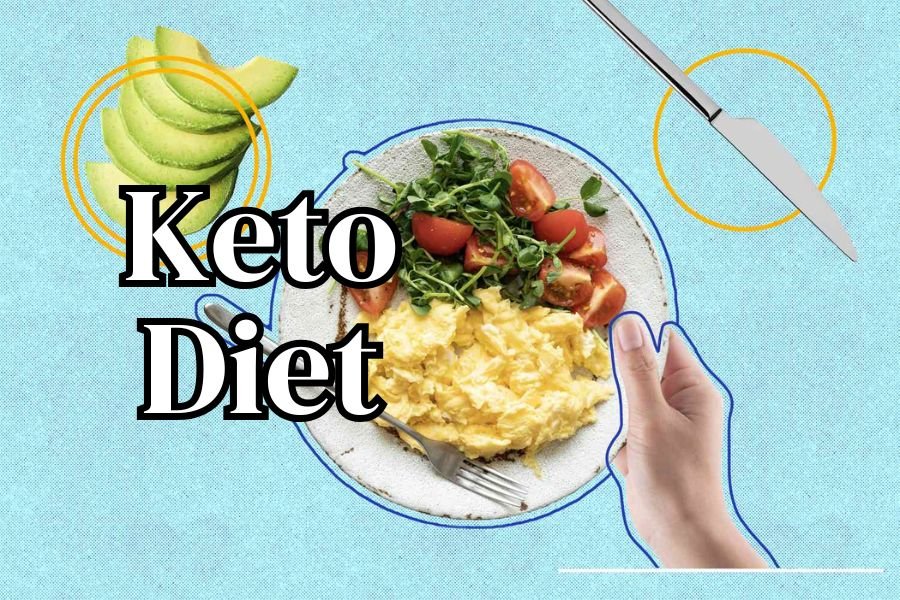
- Breakfast: Scrambled eggs with spinach cooked in butter and half an avocado
- Lunch: Chicken salad made with rotisserie chicken, mayo, celery, and lettuce wraps
- Snack: Celery and cucumber sticks with a full fat dip
- Dinner: Baked salmon with roasted cauliflower and a side salad with olive oil dressing
Day 2
- Breakfast: Full fat Greek yogurt with chia seeds and a few raspberries
- Lunch: Leftover salmon over mixed greens with olives and feta cheese
- Snack: A small portion of Parmesan crisps or pork rinds (Whole Foods Market)
- Dinner: Pan seared chicken thighs with zucchini noodles in a creamy Alfredo style sauce
Day 3
- Breakfast: Egg muffins with cheese, bell peppers, and bacon
- Lunch: Bunless burger with cheese, pickles, mustard, and a side salad
- Snack: A keto friendly bar that has simple ingredients and minimal sugar alcohols
- Dinner: Pizza style stuffed portobello mushrooms with mozzarella, tomato sauce, and pepperoni (Whole Foods Market)
You can expand this into a full week by repeating favorite breakfasts, doubling dinner recipes to cover lunches, and rotating two or three snack options.
Choose better keto snacks and desserts
Keto friendly snacks and desserts can make your meal plan more enjoyable, but it is easy to overdo processed options.
The Whole Foods Market plan includes ideas like celery and cucumber sticks with chipotle dipping sauce, Parmesan crisps, pork rinds, and a dark chocolate style bar such as Dang Bar’s Crazy Rich Chocolate with Sea Salt (Whole Foods Market). These pair well with a whole foods approach.
At the same time, MercyOne points out that many packaged keto products, especially bars and fat bombs, rely heavily on sugar alcohols like erythritol and maltitol. These ingredients add calories without real nutrition and can keep your sweet tooth active, which makes sticking to the plan harder (MercyOne).
When you pick snacks, try to:
- Favor simple foods like nuts, cheese, meat sticks, olives, and veggie sticks with dip
- Use packaged keto treats as occasional extras, not daily staples
- Check labels for total carbs and net carbs, as well as the type and amount of sweeteners
This approach keeps your snacks aligned with your goals instead of quietly working against them.
Avoid common keto diet mistakes
Even with a solid keto diet meal plan, a few easy errors can leave you feeling tired or stalled. Knowing them helps you stay ahead of problems.
Skipping minerals and fluids
As insulin levels fall on keto, your kidneys excrete more sodium, potassium, and magnesium. This shift can trigger symptoms often called the “keto flu”, such as fatigue, headaches, and an upset stomach (MercyOne). Diet Doctor and MercyOne both recommend increasing fluid and salt intake, for example by drinking a daily cup of broth or bouillon in the first week, and including electrolyte rich foods or supplements when needed (Diet Doctor, MercyOne).
Not tracking carbs at the beginning
To stay in ketosis you generally need to keep net carbs under 20 grams per day or total carbs under 30 grams per day (MercyOne). Until you have a feel for your carb counts, tracking what you eat with an app or a notebook is very helpful. This is especially important for foods like yogurt, nuts, and low carb baked goods, where portions can creep up quickly.
Expecting keto to suit every situation
Keto can be useful for weight loss, blood sugar management, and possibly some neurological conditions, but it is not ideal for everyone. UC Davis Health notes that keto may negatively affect athletic performance for some people by lowering energy output and encouraging lean tissue loss, so it is often not recommended for athletes who rely on high intensity training (UC Davis Health). They also highlight potential side effects, including shifts in blood lipids, changes in bone health markers, and a need for salt and multivitamin support to meet nutrient needs.
Because of these factors, it is especially important to work with a professional if you have existing medical conditions, take medications for diabetes or blood pressure, or plan to follow keto for more than a short period.
Make keto sustainable for your lifestyle
The best keto diet meal plan is the one you can actually follow. That means tailoring it to your preferences and schedule instead of chasing a perfect plan.
Try starting with just one or two changes, such as:
- Swapping your usual breakfast for eggs and avocado
- Replacing your evening pasta with a protein and a nonstarchy vegetable
- Planning three simple dinners for the week and using leftovers for lunch
As you notice how different meals affect your hunger and energy, you can adjust portions, recipes, and carb levels. Structured guides like the 14 day plan from Diet Doctor and the 7 day plan from Whole Foods Market can be great templates as you find your own rhythm (Diet Doctor, Whole Foods Market).
Keto does not have to be complicated. With a clear list of foods, a basic weekly structure, and a little prep, you can build a meal plan that supports your goals and still feels realistic in your day to day life.
About The Author