Why the Keto Diet Is a Powerful Tool for Your Health
A keto diet can feel like a big leap, especially if you have always relied on bread, pasta, or rice to fill your plate. Yet this low carbohydrate, high fat way of eating can be a powerful tool for weight loss, blood sugar control, and certain medical conditions when it is used thoughtfully and with good information behind your choices.
Below, you will see how the keto diet works, what it can do for your health, and what to watch out for so you can decide whether it fits your life and goals.
Understand what the keto diet actually is
The ketogenic diet, often shortened to “keto,” is a low carbohydrate, high fat diet that shifts the way your body produces energy. Instead of using carbs as its main fuel, your body begins breaking down fat and producing ketones, a type of molecule your brain and other tissues can use for energy. This metabolic state is called ketosis (Healthline).
On a classic ketogenic diet, your daily calories typically come from roughly:
- About 75% fat
- About 20% protein
- About 5% carbohydrates
In practice, that usually means limiting carbs to about 20 to 50 grams per day (Healthline). For perspective, one medium banana has about 27 grams of carbs, so you need to be very selective with fruits, grains, and starchy vegetables.
The keto diet originally emerged as a medical therapy in the 1920s to reduce seizures in children with epilepsy, especially when medications did not work well enough (UC Davis Health). Today, you are more likely to hear about it as a weight loss strategy, but that medical background is a useful reminder that it is a powerful tool, not a casual trend.
See how keto supports weight loss
If you are drawn to the keto diet because you want to lose weight, you are not alone. Research suggests that keto can help you lose weight similarly or slightly better than traditional low fat diets, with one review showing an average of around 2 pounds more weight loss in people following keto (Healthline).
Several mechanisms work in your favor:
First, restricting carbohydrates lowers insulin levels. Insulin is a hormone that helps store energy, so when insulin goes down, your body has an easier time releasing fat from its stores and burning it. Second, many people notice reduced hunger and fewer cravings on keto, which can make it easier to eat fewer calories without tracking every bite (Healthline).
You might also see a quick drop on the scale in the first week. This early loss is mostly water weight, because your body depletes its glycogen stores when you stop eating many carbs, and glycogen holds onto water (Northwestern Medicine). Real fat loss happens more slowly over time and still depends on a long-term calorie deficit.
It is important to remember that what happens after keto matters just as much as what happens during it. Weight regain is common if you return abruptly to old eating patterns without a plan (Northwestern Medicine).
Improve blood sugar and insulin sensitivity
If you have prediabetes, type 2 diabetes, or concerns about blood sugar, the keto diet can be especially appealing. By dramatically cutting carbs, you immediately reduce the main nutrient that raises blood sugar.
Studies suggest that a ketogenic diet can:
- Improve insulin sensitivity by up to 75 percent
- Lower hemoglobin A1C, a long-term marker of blood sugar control
- Support significant weight loss in people with type 2 diabetes, with one study showing an average of 26.2 pounds lost over two years in 349 participants (Healthline)
Lower carbohydrate intake can also reduce the need for certain diabetes medications. However, this is exactly why you should not start keto on your own if you take insulin or other blood sugar lowering drugs. Rapid changes can put you at risk for dangerous low blood sugar episodes, known as hypoglycemia (Healthline).
Working with a healthcare provider lets you adjust medication doses safely and monitor your lab results as you change your diet.
Choose foods that make keto healthier
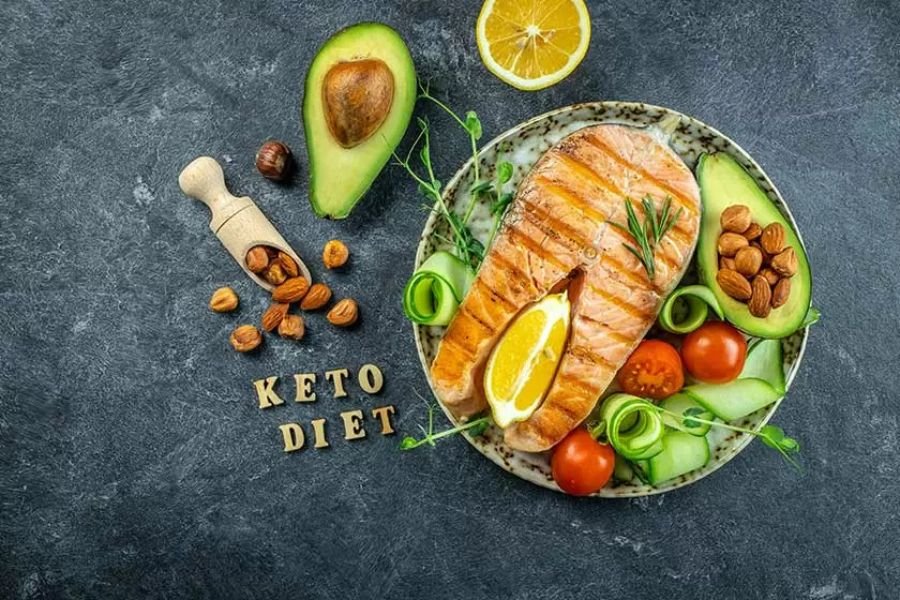
You can technically eat a keto diet by loading up on bacon, butter, and processed meats, but that approach is not ideal for your long-term health. A more balanced keto pattern emphasizes whole foods and heart healthy fats.
Focus on smart fat sources
Fat is your primary fuel on keto, so where you get that fat matters. Options that support better heart health include:
- Olive oil, avocado oil, and other oils rich in monounsaturated fats
- Avocados and olives
- Fatty fish such as salmon or mackerel, which offer omega-3 fats
- Nuts and seeds, in moderate portions (Healthline)
You can still include foods like cheese, butter, and red meats, but experts recommend that saturated fats should not make up the majority of your intake. High saturated fat intake is linked with higher LDL cholesterol and increased heart disease risk, especially if you already have cardiovascular concerns (Northwestern Medicine).
Build your plate with low carb whole foods
Even with limited carbohydrates, you have room for color and variety. Many nonstarchy vegetables are low in net carbs and provide fiber, vitamins, and antioxidants. Good choices include leafy greens, peppers, zucchini and other summer squash, cauliflower, and spaghetti squash (Healthline).
For protein, seafood, meat, poultry, and eggs are naturally very low in carbs. They also supply B vitamins and high quality protein that can help you protect muscle mass while you lose weight (Healthline).
A handful of berries, especially raspberries and strawberries, can fit into your carb budget if you plan carefully, and they offer fiber and antioxidants that support overall health (Healthline).
A simple rule of thumb: fill most of your plate with nonstarchy vegetables, add a palm sized portion of protein, and then layer on healthy fats through oils, avocado, nuts, or seeds.
Know the potential risks and side effects
A keto diet can be powerful, but it is not risk free. Before you commit, it helps to know what you might face and how to reduce those downsides.
Expect an adjustment period
In the first days or week of keto, you might feel what people often call the “keto flu.” Symptoms can include headaches, fatigue, nausea, constipation, or loose stools as your body shifts into ketosis and you lose water and electrolytes (Healthline, Healthline).
You can ease this transition by:
- Drinking plenty of water
- Adding a bit more salt to your food, unless you have a medical reason to limit it
- Including foods rich in magnesium and potassium, such as leafy greens and nuts
- Transitioning your carb intake down gradually rather than all at once
These symptoms usually fade within a few days, but if they feel severe or do not improve, you should check in with a healthcare professional.
Watch your heart, kidneys, and bones
Because keto is high in fat, and often high in animal products, it can affect several organ systems.
Some people see improved HDL (the “good”) cholesterol and lower triglycerides, which is positive. Others, however, experience higher LDL (the “bad”) cholesterol and a more concerning cholesterol profile, which is why blood lipid testing before and after starting keto is often recommended (UC Davis Health).
A very high intake of animal based foods can increase the acidity of your blood and urine, which is linked with a greater risk of kidney stones and potential worsening of chronic kidney disease. If you already have kidney issues, keto is not recommended (Healthline).
There is also evidence that strict keto may increase markers of bone breakdown and that you lose more sodium, which makes careful mineral and electrolyte management important. Many people benefit from a multivitamin and targeted mineral supplements when they follow a very low carbohydrate plan (UC Davis Health).
Protect your gut and nutrient intake
Because the keto diet restricts or removes fruits, whole grains, and legumes, it can be hard to meet your daily fiber and micronutrient needs. This can lead to constipation, changes in your gut microbiota, and deficiencies in nutrients like calcium, vitamin D, magnesium, and phosphorus over time (Healthline).
You can reduce these risks by:
- Emphasizing low carb vegetables at most meals
- Choosing nuts and seeds regularly rather than relying only on animal fats
- Considering a fiber supplement if you struggle with constipation
- Discussing vitamin and mineral supplementation with a dietitian or doctor
Decide if keto is the right tool for you
Even with clear benefits, keto is not automatically the best choice for everyone. It is a strict diet that can be hard to maintain. It can also make social situations, travel, and shared meals more complicated, and for some people, the rules and restriction can trigger or worsen disordered eating patterns (University of Chicago Medicine).
Experts generally advise against keto if you have:
- Pancreas, liver, thyroid, or gallbladder disease
- Significant kidney disease
- A history of eating disorders
If you are an endurance athlete or you rely on high intensity exercise, a very low carbohydrate diet can impair your performance and increase loss of lean tissue compared with higher carb plans (UC Davis Health). In that case, you might be better served by a more moderate approach to carbs.
For many people, a less rigid lower carb diet that still includes a wide range of vegetables, some fruit, and whole grains can offer meaningful weight loss and blood sugar improvement with fewer long-term tradeoffs. Dietitians from the University of Chicago note that the classic ketogenic diet is best used under professional supervision and generally do not recommend it as a first choice for everyday weight loss (University of Chicago Medicine).
Take your next step with confidence
If you decide to use the keto diet as a tool for your health, approach it as a structured experiment, not a forever identity. Clarify what you want from it, such as a specific amount of weight loss or better blood sugar numbers, and set a timeframe to try it.
Before you begin, it is wise to:
- Talk with your doctor, especially if you take medications or have chronic conditions
- Get baseline blood work, including cholesterol and A1C
- Plan some simple, repeatable meals built around nonstarchy vegetables, quality protein, and healthy fats
- Decide how you will reintroduce carbohydrates over time, rather than making that choice only when you feel tired of the diet
With realistic expectations and good support, the keto diet can be a powerful tool in your health toolbox. It works best when you pair its metabolic benefits with sustainable habits like regular movement, adequate sleep, and stress management. That way, any progress you make is something you can build on, not something that disappears as soon as you change what is on your plate.
About The Author


