Get Stronger with These Effective Shoulder Mobility Exercises
You might not think about your shoulders as often as you do your legs or core, but they’re key players in virtually every upper-body movement. Strong and flexible shoulders can help you lift heavier, perform better in sports, and even carry groceries more comfortably. That’s where shoulder mobility exercises come in. By focusing on range of motion, stability, and alignment, you’ll reduce injury risks and build a solid foundation for all your everyday activities.
In this article, you’ll discover how your shoulder structure works, why warming up is essential, which exercises target mobility, and how to round out your routine with gentle stretches, strength work, and posture tips. Whether you’re new to fitness or already an avid gym-goer, you’re bound to find strategies that give your shoulders the freedom they need.
Know your shoulder structure
Understanding the basic components of your shoulder can help you appreciate the importance of mobility. The shoulder joint is a ball-and-socket arrangement involving the humerus (upper arm bone), the scapula (shoulder blade), and the clavicle (collarbone). At the center of it all is your rotator cuff, a group of muscles and tendons that allows your arm to move in multiple directions.
Because this joint is so flexible, it’s also more prone to injuries and instability. Everyday tasks like reaching overhead to grab a dish or lifting a heavy box rely on the health of your shoulders. If you’ve ever felt a sharp twinge while shifting furniture or tossing a ball, you’ve likely experienced how crucial mobility is for safe, comfortable movement. By devoting attention to your shoulders, you’ll improve not just your workouts but also your quality of life outside the gym.
Begin with a targeted warm-up
Before jumping into any mobility drills, take time to prepare your shoulder muscles and joints. A targeted warm-up is the best way to loosen stiff tissues, increase blood flow, and get your range of motion ready for the exercises ahead. Spend at least five to ten minutes moving your arms gently in different planes, focusing on areas that often tighten up, like around your neck and upper back.
Try light shoulder circles or arm swings for an easy start, gradually picking up amplitude and speed. This helps lubricate the shoulder capsule and awaken underused muscles. You might also do a few neck stretches to ease tension in your trapezius area, which influences how your shoulders sit. If you have any history of shoulder pain or you’re returning from an injury, keep your warm-up extra gentle and consider a quick check-in with a medical professional before proceeding.
Perform these mobility exercises
Once your shoulders are warm and ready, you can practice specific moves that enhance flexibility, stability, and overall range of motion. Aim for controlled, deliberate movements that teach your muscles and joints to handle daily activity or sports demands.
- Shoulder circles: Start with your arms at your sides and rotate your shoulders forward, then backward, making smooth, circular motions. Gradually increase the size of each circle. This relieves shoulder tension and helps sync the joint structures.
- Broomstick (or towel) pass-throughs: Grip a light stick or towel wider than shoulder-width. Raise it in front of you, then pass it over your head and behind you, maintaining locked arms if possible. This move stretches your chest, shoulders, and upper back, improving overhead range of motion.
- Wall slides: Stand with your back against a wall, arms out to your sides bent at the elbows, and try to maintain contact with the wall as you slide your arms upward. Focus on keeping your forearms flat and let the movement gently pry open your chest and shoulders.
- Thread the needle: Get on all fours, then slide one arm underneath the other so your shoulder and ear come down onto the ground. You’ll feel a stretch through your upper back and shoulder area. Repeat on both sides, moving slowly and breathing deeply.
The key is consistency. Perform each exercise for 8–12 reps or 30–60 seconds, depending on your comfort. Over time, you’ll notice less stiffness and a more fluid range of motion in your daily tasks.
Balance with gentle stretches
Stretching is like the counterpart to mobility work. While mobility drills focus on active movement, stretches target the tissues and help them lengthen more passively. Consistent stretching tells your muscles and connective tissues it’s safe to relax, which can reduce tightness and stave off discomfort.
Focus on stretches that work the front, side, and back of your shoulders. For instance, bring one arm across your chest and use your opposite hand to gently press it closer to your body. You’ll likely feel tension in your shoulder and upper back, signaling tight areas that can limit your mobility. Follow this with a doorway chest stretch, placing your forearm against the frame and leaning forward to open your chest. Keep each stretch modest at first and hold for around 15–30 seconds. If you feel any pain, back off slightly to avoid overstressing the joint.
When added to your routine a few days a week, these stretches support relaxed, fluid movement. Pairing them with your mobility drills makes for a well-rounded approach that maintains your progress and prepares you for strength exercises.
Build strength for stability
Maintaining or improving shoulder mobility goes hand in hand with developing strong surrounding muscles. Toned rotator cuffs, deltoids, and upper-back muscles stabilize the joint, ensuring that each lift or reach is controlled. Think of this as scaffolding that holds your newfound mobility in place, preventing injury and promoting better posture.
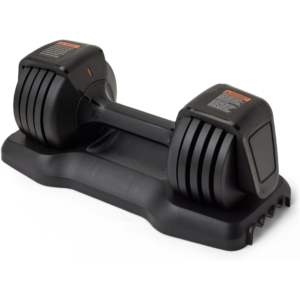
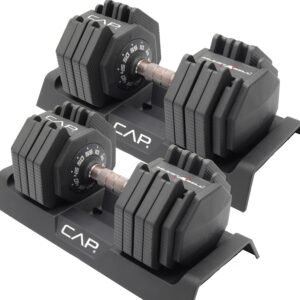
Light dumbbell exercises like lateral raises, front raises, and standing overhead presses can be part of your shoulder strength routine. For something more targeted, consider external rotation movements to protect your rotator cuff. You can do an external rotation by holding a lightweight or resistance band, keeping your elbow at 90 degrees, and rotating your forearm outward from the body. This trains the small stabilizing muscles that often get overlooked but are especially critical for avoiding shoulder injuries.
Remember to progress gradually. If you try to lift too heavy too soon, your form might suffer, placing extra strain on the shoulder capsule. Aim for moderate resistance that challenges you without causing pain or limiting your range of motion. Over time, you’ll see improvements in both strength and flexibility, making it easier to tackle tasks like lifting groceries or playing tennis without worry.
Finish with posture alignment
All the mobility work in the world can be undone by consistently slouching or keeping your shoulders rolled forward. Good posture helps you preserve shoulder health by stacking your joints in a balanced way. If you spend hours at a desk or on your phone, be mindful of how this might cause tension in your neck and upper back, compromising your shoulder movement.
Periodic posture checks throughout the day go a long way. Stand or sit tall, draw your shoulders back slightly, and align your head over your shoulders rather than jutting it forward. You don’t need to sit like a statue. Instead, think of gently lengthening your spine and settling your shoulders into a relaxed, neutral position. This small adjustment relieves a surprising amount of strain and keeps the region more open and flexible.
If you tend to forget about posture, set small reminders on your phone or place sticky notes in your workspace. Over time, the habit will become second nature. By combining alignment awareness with your mobility work, you ensure that your shoulders stay in a healthy position all day.
Final thoughts
Giving your shoulders a little extra care can lead to big improvements in both exercise performance and daily comfort. With a balance of focused warm-ups, consistent shoulder mobility exercises, gentle stretching, and a touch of strength training, you’ll keep your joint stable and flexible. Pay attention to simple posture corrections to reinforce these gains, and try not to rush through the process. The benefits of better shoulder mobility—fewer aches, improved range of motion, and greater functional strength—make it worth your time.
If you’re just starting out, do what feels comfortable and gradually increase intensity. Like any fitness routine, consistency is the key to seeing results. Reflect on your progress every week or two, and you’ll soon notice your shoulders feel lighter, stronger, and far more adaptive in everyday life. Feel free to celebrate small milestones along the way—it’s a great way to stay motivated on your path toward healthier, happier shoulders.
About The Author