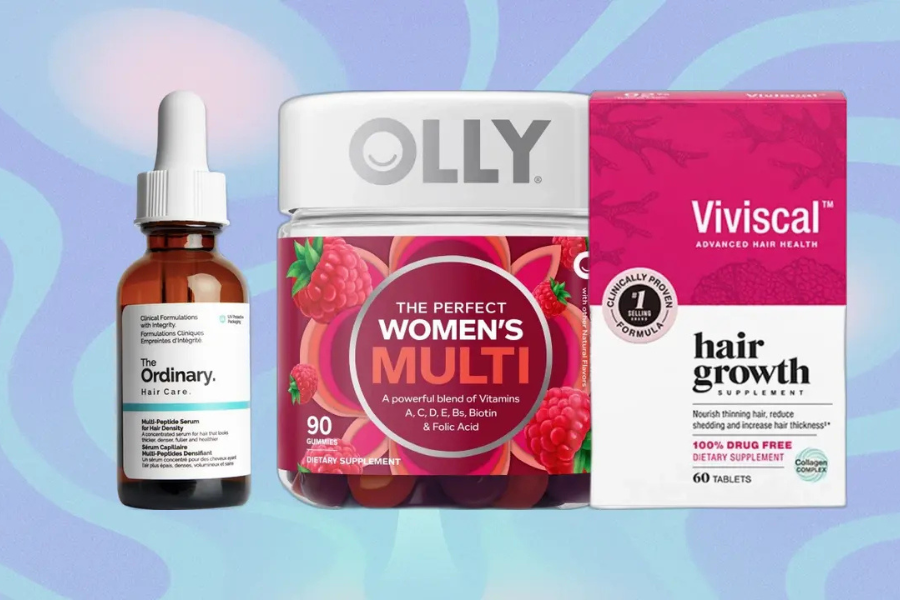
Top Hair Growth Supplements for Women That Truly Work
A quick search for “hair growth supplements for women” turns up hundreds of bottles that all promise thicker, fuller hair in a few weeks. Some are backed by science. Many are not. The good news is that you can sort helpful options from hype when you know what to look for and what the research actually says.
Below, you will learn how hair vitamins work, when they are worth trying, and which ingredients have the best evidence behind them, so you can choose a supplement that fits your hair goals and your health.
Understand how hair growth supplements work
Hair growth supplements for women usually focus on two things. First, they aim to correct nutritional gaps that can weaken hair. Second, they combine extra ingredients that may support your hair cycle, reduce shedding, or improve strand quality.
Your hair needs a steady supply of protein, B vitamins, vitamins A, C, and D, plus minerals like iron, selenium, and zinc. Deficiencies in these nutrients are linked to hair loss and fragile strands in women and men alike (Healthline).
Most people can meet these needs with a balanced diet. In fact, several experts point out that supplements are usually unnecessary unless you have a documented deficiency, and that only vitamin D, iron, and vitamin C have routine supportive evidence for hair growth when you are deficient (ISHRS, Harvard Health Publishing).
So where do hair growth supplements fit in? They tend to make the most difference when your shedding or thinning is linked to:
- Low iron, vitamin D, or other nutrient levels
- Restrictive dieting or very low protein intake
- High stress or recent illness that disrupted your hair cycle
If your hair loss has other causes, such as genetics, hormone changes, or autoimmune conditions, you may still see cosmetic improvements like less breakage or better shine, but supplements alone are unlikely to be a complete solution.
Key nutrients that support healthy hair
Before you look at specific brands, it helps to know which vitamins and minerals matter most and how they help your hair.
Iron
Iron deficiency is common worldwide and especially common in women, and it is often found in women with hair loss (ISHRS). Low iron can limit oxygen delivery to hair follicles, which may trigger shedding or slow growth.
The relationship between low iron stores and hair loss is still being debated. Correcting iron deficiency is considered wise for general health and hair health, but it does not guarantee dramatic regrowth (ISHRS). You should not take iron “just in case” since excess iron can cause digestive upset and even iron overload over time (Dermatology Practical & Conceptual, Everyday Health).
If you suspect low iron, ask your doctor for a blood test before starting a supplement.
Vitamin D
Vitamin D receptor activity plays a role in hair follicle cycling. Deficiency is very common in women, especially in regions with limited sunlight, and in some cases correcting it has been followed by hair regrowth (ISHRS). At the same time, vitamin D supplements rarely bring dramatic hair changes on their own, especially in areas where deficiency is already widespread.
Think of vitamin D as part of a healthy baseline. If bloodwork shows that you are low, bringing your levels into range may support your hair along with your bones and immune system.
Vitamin C
Vitamin C helps your body make collagen and absorb plant-based iron, both of which matter for strong, healthy hair. Getting the recommended 75 mg per day for women helps prevent deficiency-related problems (ISHRS). You can usually hit this target through fruits and vegetables, but many hair supplements include vitamin C as a supportive ingredient.
Biotin and B vitamins
Biotin (vitamin B7) is one of the most common ingredients in hair growth supplements for women. It is essential for healthy hair, and severe deficiency can absolutely trigger hair loss. The catch is that true biotin deficiency is rare and usually inherited (ISHRS).
There is no solid evidence that high-dose biotin helps hair growth in women who are not deficient, even though doses up to 5,000 mcg are frequently recommended in hair loss clinics (ISHRS). Some studies show that a significant share of women with hair loss do have low biotin, but this is far from universal (Healthline).
Other B vitamins like B2 (riboflavin), folate, and B12 also contribute to healthy hair and immune function (Harvard Health Publishing).
It is important to know that very high doses of biotin can interfere with lab tests, including thyroid, heart markers, and even urine pregnancy tests, which can lead to misdiagnosis (Dermatology Practical & Conceptual, Everyday Health).
Zinc, selenium, vitamins A and E
Zinc and selenium are involved in cell growth and antioxidant defenses, and both support a healthy scalp environment. Vitamins A and E also protect cells from oxidative stress. Too little or too much of these nutrients can affect your hair.
High doses of vitamin A, vitamin B6, and selenium, which appear in some hair growth supplements, can paradoxically cause hair loss or other serious side effects (Dermatology Practical & Conceptual). Selenium doses above 200 mcg per day have been linked to higher risks of type 2 diabetes and increased all‑cause mortality (Dermatology Practical & Conceptual).
When you evaluate supplements, look for reasonable, not mega, doses of these nutrients.
Most women can meet their vitamin and mineral needs for hair through diet, and supplements are usually recommended only when testing confirms a deficiency (Harvard Health Publishing).
Multi-ingredient supplements with promising evidence
A handful of branded hair growth supplements for women have been tested in clinical studies. These are not miracle cures, but they do have more evidence than generic “hair, skin, and nails” blends.
Viviscal Women’s Hair Growth Supplements
Viviscal is one of the most researched hair supplements. A randomized, double-blind, placebo-controlled study in women aged 21 to 75 with self-perceived thinning hair found that Viviscal significantly increased the number of terminal hairs after 90 and 180 days of use. Hair counts rose from an average of 271 at baseline to over 570 at 90 days and about 610 at 180 days, while the placebo group did not change significantly (PMC).
Women taking Viviscal also reported:
- Better overall hair volume
- Improved scalp coverage
- Thicker-feeling hair body
- Added cosmetic benefits like more shine and better skin moisture and smoothness over 180 days (PMC)
Viviscal contains a proprietary marine complex called AminoMar C made from shark and mollusk powder, plus organic silica from horsetail and vitamin C from acerola cherry (PMC). The study reported no adverse events during the six‑month trial.
One important detail is that women with certain medical hair conditions or other hair treatments were excluded, so these results apply to otherwise healthy women with temporary thinning linked to diet, stress, hormones, or menstrual issues (PMC).
Dermatologists interviewed more recently still point to Viviscal as a clinically tested option, and recommend consistent use twice daily for six months, with some users seeing results after about three months (Oprah Daily).
Biotin and B‑complex gummy with zinc and Fo‑ti
A 2024 Brazilian randomized, placebo-controlled study looked at a daily gummy supplement for six months in 65 healthy women aged 18 to 60 with thinning hair. The supplement contained:
- 5,000 mcg biotin
- 300 mcg folic acid
- 850 mcg vitamin B12
- 20 mg zinc citrate
- 15 mg para‑aminobenzoic acid
- 10 mg Fo‑ti (Polygonum multiflorum) root extract
Women who took the gummies experienced a 10.1 percent increase in hair density, while the placebo group actually saw a 2 percent decrease. This difference was statistically significant (JCAD).
Hair tensile strength improved by about 10.2 percent from baseline in the supplement group, which was similar to the placebo group and not statistically different, but participants reported clear subjective improvements. After six months they noticed less shedding, stronger strands, less breakage, and brighter, healthier-looking hair, all with statistically significant differences compared with placebo (JCAD). No adverse events were reported during the trial.
This kind of research suggests that some well-formulated, multi-ingredient supplements can improve hair density and how your hair feels and behaves, especially if you take them consistently over several months.
Nutrafol, Keranique, and similar formulas
Other multi-ingredient supplements, such as Nutrafol and Keranique, combine vitamins, minerals, collagen, and botanicals to target different drivers of thinning hair.
- Nutrafol includes vitamins A, C, and D, zinc, marine collagen peptides, saw palmetto, ashwagandha, and selenium. Dermatologists have recommended it to some women for thinning and loss, and they note that it supports general wellness as well as hair (Oprah Daily).
- Keranique Hair & Scalp Supplement contains biotin, B vitamins, zinc, selenium, and amino acids. In brand-reported data, 98 percent of users who took two capsules daily for three months saw noticeable improvement in hair length and density (Oprah Daily).
Some research suggests that multi-ingredient supplements like these can reduce shedding and improve growth, but they are not universally recommended by all experts and are usually considered one piece of a broader treatment plan (University Hospitals).
Botanicals and specialty ingredients to know
Beyond vitamins and minerals, you will see certain plant extracts and proteins featured in hair growth supplements for women.
Saw palmetto
Saw palmetto is often included because it can inhibit 5‑alpha‑reductase, an enzyme involved in converting testosterone to dihydrotestosterone (DHT), which is linked with hair thinning. A 2025 randomized, double-blind, placebo-controlled study in women found that saw palmetto extract improved hair thickness and reduced shedding by supporting healthy DHT levels within the hair growth cycle (Life Extension).
However, saw palmetto carries potential risks. It has caused abnormal male genital development in animal studies when given during pregnancy, and many supplements that contain it do not include pregnancy warnings (Dermatology Practical & Conceptual). If you are pregnant, trying to conceive, or breastfeeding, you should avoid saw palmetto unless your doctor specifically approves it.
Collagen peptides
Collagen is sometimes marketed for hair thickness. Preclinical research in 2025 suggests that collagen peptides can lengthen hair follicle tissues and promote new hair shaft production, which could theoretically reduce thinning and shedding and support healthy maintenance (Life Extension). Human data are still emerging, and experts note that while collagen may help thickness, it has not been definitively shown to regrow new hair in women (University Hospitals).
Phytoceramides and other lipids
In one 2025 clinical study, up to 64 percent of women taking wheat phytoceramides had measurable increases in hair density and volume, and 85 percent self-reported less shedding, faster growth, and better overall hair health after 12 weeks (Life Extension). These lipids may support the scalp barrier and reduce dryness or breakage.
Botanicals and specialty ingredients can be useful complements, but they should not distract you from the basics: confirmed nutrient status, a balanced diet, and, when needed, medical evaluation.
Safety, side effects, and when to be cautious
The global beauty supplement market has nearly doubled in size over the past decade, and many formulas try to stand out by packing in very high doses of multiple ingredients (Dermatology Practical & Conceptual). That can backfire.
Potential issues to watch for include:
- Nutrient overdose. Hair, skin, and nails supplements often contain biotin at 100 to more than 33,000 percent of the daily value, which raises the risk of nutrient overload (Everyday Health).
- Digestive problems. Iron in higher doses frequently causes constipation and stomach upset, especially if you do not actually need it (Everyday Health).
- Lab test interference. As mentioned earlier, high-dose biotin can skew thyroid, cardiac, and pregnancy tests, which can complicate diagnosis and treatment (Dermatology Practical & Conceptual, Everyday Health).
- Allergic reactions. Ingredients in hair vitamins can trigger hives, itching, or even severe anaphylaxis in rare cases, which needs immediate medical attention (Everyday Health).
- Paradoxical hair loss. High doses of vitamin A, selenium, and vitamin E have all been linked to hair loss in some people (Everyday Health).
Because of these risks, most medical sources advise testing for deficiencies first and then tailoring supplements only to what you actually need (Harvard Health Publishing).
If you are already taking a multivitamin or other supplements, bring everything to your healthcare provider so they can help you avoid stacking overlapping doses.
How to choose a hair growth supplement that fits you
When you are ready to pick a product, use these steps to narrow your options and set realistic expectations.
1. Start with your health, not the bottle
If your hair loss is new, rapid, or accompanied by other symptoms like fatigue, weight changes, or irregular periods, talk with your doctor or a dermatologist first. Hair loss in women, or alopecia, is often influenced by underlying medical conditions or stress, and supplements alone will not address those root causes (Harvard Health Publishing).
Ask about lab tests for:
- Iron status
- Vitamin D level
- Thyroid function
- B12, folate, or other nutrients if your diet is limited
Use those results to guide any targeted supplementation.
2. Look for evidence, not just marketing
Choose formulas that:
- Have at least one clinical study in women with thinning hair, like Viviscal or the biotin‑B complex‑zinc‑Fo‑ti gummy discussed above (PMC, JCAD)
- Provide sensible doses of nutrients rather than extreme mega-doses
- Disclose all ingredients and amounts clearly
Be cautious of products promoted mainly by celebrities or influencers, especially if health professionals do not commonly recommend them (Healthline).
3. Check compatibility with your life and medications
Read labels for potential allergens such as shellfish in marine-based complexes, wheat in phytoceramides, or herbal blends that might interact with medications. If you are pregnant or planning to be, avoid formulas with saw palmetto unless your doctor says otherwise (Dermatology Practical & Conceptual).
If you have existing health conditions or take regular medications, clear any new supplement with your provider.
4. Commit to consistent use and a realistic timeline
In most studies, women took hair growth supplements every day for at least three to six months before seeing clear benefits in density or shedding (PMC, JCAD, Life Extension). You might notice less shedding or better texture after 8 to 12 weeks, but major changes take time because hair grows slowly.
Pair your supplement with:
- A nutrient-rich diet full of colorful produce, whole grains, lean protein, and healthy fats
- Stress management and adequate sleep
- Gentle hair care that avoids tight styles and harsh chemical treatments
These lifestyle pieces are often just as important as what is in the capsule.
When other treatments may make more sense
If you have female‑pattern hair loss or another diagnosed hair condition, medical treatments may be more effective as a foundation, with supplements as a secondary support.
Topical or oral minoxidil works well for many types of hair loss, especially in people under 40 who recently started thinning (University Hospitals). Oral finasteride is sometimes prescribed off‑label to post‑menopausal women but needs close medical supervision due to potential sexual and hormonal side effects (University Hospitals).
If you are not sure what type of hair loss you have, a dermatologist can help you figure that out and suggest a plan that blends proven medications, lifestyle shifts, and, if appropriate, a carefully chosen supplement.
Bringing it all together
Hair growth supplements for women can be genuinely helpful, especially when your hair issues are related to nutritional gaps or temporary stressors. The strongest evidence supports:
- Correcting true deficiencies in iron, vitamin D, and vitamin C
- Using tested multi-ingredient formulas like Viviscal or the biotin‑B‑zinc‑Fo‑ti gummy for at least three to six months
- Choosing reasonable nutrient doses and being aware of potential side effects and lab test interference
Instead of chasing every new bottle you see on social media, start by understanding what your hair and your body actually need. With that foundation, you can pick one thoughtful supplement, pair it with healthy habits, and give your hair a fair chance to grow stronger over time.
About The Author


