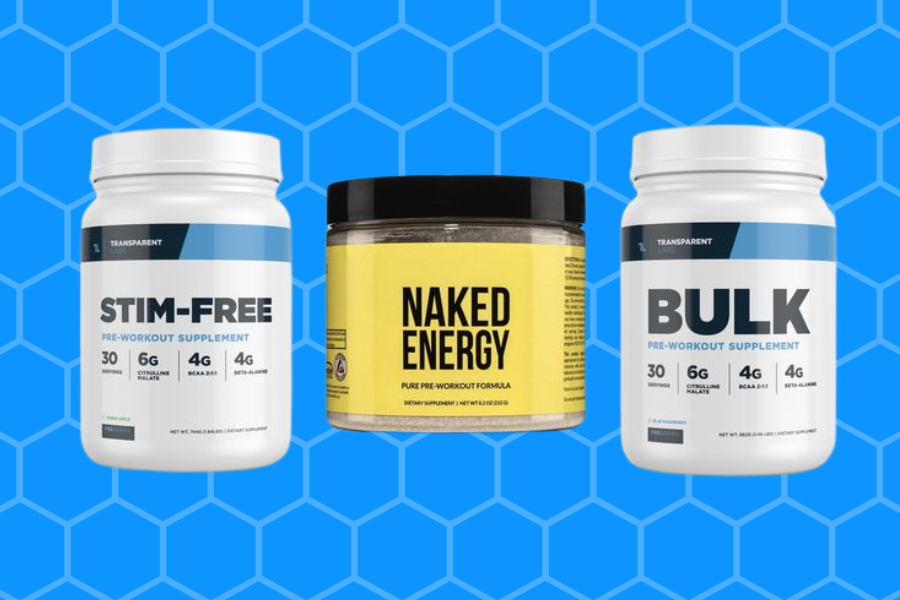
Why You Need the Best Pre-Workout Supplements Right Now
A scoop of pre-workout can look like a magic shortcut to better workouts. The truth is a bit more nuanced. The best pre-workout supplements can help you feel more energized, focused, and strong in the gym, but only if you understand what you are taking and how to use it safely.
This guide walks you through what pre-workout actually does, what ingredients matter, where the risks are, and how to decide if it fits your routine right now.
What pre-workout supplements actually do
Pre-workout is a broad term for supplements you take before exercise to boost performance. Most formulas are powdered mixes that you shake with water and drink 20 to 30 minutes before training.
When you choose well-formulated, best pre-workout supplements, you are usually aiming for a few key benefits:
- More physical energy
- Better mental focus
- Less fatigue during tough sets or intense intervals
- Slight improvements in strength, power, and endurance
Research backs some of these claims, especially for multi-ingredient formulas. Reviews have found that certain pre-workouts can improve muscular endurance, training volume, aerobic capacity, and even mood during workouts, although the evidence for some ingredients like BCAAs is still mixed (GoodRx).
You can think of pre-workout as a performance tool, not a requirement. It will not replace sleep, food, or a smart program, but it can give you a noticeable edge when everything else is in place.
Key ingredients you should know
If you want the best pre-workout supplements for your goals, the label matters more than the flavor. Here are the main ingredients you are likely to see and what they actually do.
Caffeine for energy and focus
Caffeine is usually the star of the show. Typical pre-workout servings contain around 150 to 300 milligrams per scoop, roughly equal to 1.5 to 3 cups of coffee (WebMD). Some products push this even higher, up to 387 milligrams or more per serving (GoodRx).
Caffeine helps by:
- Increasing alertness and reaction time
- Reducing perceived effort, so hard sets feel more manageable
- Supporting both aerobic and anaerobic performance when dosed around 200 milligrams (Transparent Labs)
If you are sensitive to stimulants or train at night, you may do better with a low-caffeine or stimulant-free option.
Beta-alanine to fight fatigue
Beta-alanine is the ingredient that makes your skin tingle. It increases carnosine levels in your muscles, which helps buffer acid buildup during high-intensity exercise. That can lead to less burning and better performance in short, hard efforts like sprints or heavy sets (WebMD).
Typical effective totals are around 2.4 to 4.5 grams per day (Transparent Labs), although many pre-workouts use doses across that range. The tingling sensation, called paresthesia, is harmless and often fades as your body adapts, or when you split the dose (Verywell Health).
Creatine for strength and muscle
Creatine helps your muscles regenerate ATP, which is your main energy source for short, explosive efforts. That supports increases in strength, power, and lean body mass when paired with proper training (WebMD).
You usually see effective daily doses around 3 to 5 grams (Transparent Labs). Many experts actually recommend taking creatine separately, since pre-workouts often underdose it (Garage Gym Reviews).
Creatine can cause small weight gain due to water retention in your muscles, but it is considered safe at standard doses (Healthline).
Citrulline and “pump” ingredients
L-citrulline or citrulline malate are popular for increasing blood flow and the “pump” you feel in the gym. Citrulline acts as a vasodilator that boosts nitric oxide production, which helps deliver more oxygen and nutrients to muscles (Garage Gym Reviews).
Effective daily doses are usually in the 4 to 8 gram range (Transparent Labs). You may see slightly better endurance and recovery, along with more pronounced pumps.
In some people, citrulline malate can trigger headaches, likely because of blood vessel dilation. In that case, a lower dose or a citrulline-free formula may feel better for you (Healthline).
BCAAs and other amino acids
Some pre-workouts include BCAAs (branched-chain amino acids) or EAAs (essential amino acids) to support muscle growth and recovery. BCAAs have been linked to increased lean mass and reduced muscle damage in some research (WebMD), but recent reviews consider the evidence for muscle building alone as inconclusive (GoodRx).
Other common additions include taurine, betaine, and tyrosine, which may help with hydration, power output, and mental focus.
Natural vs synthetic pre-workout options
Not all pre-workout supplements are built the same way. Many products now position themselves as “natural,” while others use fully synthetic, lab-created compounds.
How natural pre-workouts work
Natural formulas typically rely on plant-based ingredients such as green tea, coffee fruit, or beetroot powder for energy and blood flow support. They often:
- Provide gentler, more sustained energy
- Use natural sweeteners, like stevia or monk fruit
- Avoid artificial colors and some synthetic additives
These products can be a good fit if you have dietary restrictions or want to minimize exposure to artificial dyes and fillers. Natural formulas usually moderate caffeine, often around 100 to 180 milligrams per serving, which can mean fewer jitters and less anxiety compared with high-stimulant blends (Transparent Labs). They also tend to emphasize transparent labels, so you see exactly how much of each ingredient you are getting.
The tradeoff is that potency can vary depending on how ingredients are sourced and processed, and natural products can be more expensive (Axela Laboratories).
How synthetic pre-workouts compare
Synthetic pre-workout supplements rely on precisely dosed compounds like caffeine anhydrous, creatine monohydrate, and beta-alanine. Benefits often include:
- Consistent potency from scoop to scoop
- Rapid absorption and fast onset of effects
- Lower cost per serving
These are often the formulas you see advertised as “extreme energy.” Along with the benefits, you may face drawbacks like stronger jitters, possible sleep disruption, and higher reliance on stimulants, especially at very high caffeine doses (Axela Laboratories).
Choosing between natural and synthetic really comes down to your health goals, tolerance for stimulants and additives, and budget. If you are unsure, you can start on the milder side and see how your body responds.
Potential side effects and safety
Pre-workout supplements can be helpful, but they are not risk free. Since the FDA does not tightly regulate them before they hit the market, you have to be proactive about safety (GoodRx).
Common side effects
You may experience:
- Jitteriness, anxiety, or a racing heart from high stimulant doses
- Sleeplessness if you take caffeinated pre-workout too close to bedtime
- Digestive upset like nausea or diarrhea, often from ingredients such as sodium bicarbonate or magnesium
- Headaches from vasodilators like citrulline malate
- Tingling or itching from beta-alanine
Caffeine content can be particularly high, up to 500 milligrams in some products, which is significantly more than a standard cup of coffee (Healthline). To protect your sleep, it is wise to avoid stimulant-heavy pre-workouts within about 6 hours of when you plan to go to bed (Verywell Health).
Serious and long-term risks
In general, pre-workout supplements appear reasonably safe for healthy adults in the short term. However, there have been rare reports of more serious problems, such as pancreatitis and stroke, linked with their use (GoodRx). Long-term safety data is still limited.
If you have heart issues, high blood pressure, anxiety disorders, or you take medications, you should talk to your doctor before adding pre-workout. Some stimulants, such as synephrine or yohimbine, can raise blood pressure and cause palpitations in susceptible people (Verywell Health).
You also want to be aware of banned substances if you are a tested athlete. A small number of supplements have been found to contain ingredients that could affect eligibility or pose added health risks (GoodRx).
How to choose the best pre-workout supplements
When you are comparing tubs on the shelf, marketing claims can be loud and confusing. A few simple rules can help you pick a safer, more effective product.
A good pre-workout is transparent about what it contains, uses evidence-based doses, and fits your personal tolerance and training style.
What to look for on the label
Focus on:
- Full label transparency, so every ingredient shows an exact amount
- Evidence-based doses, such as around 200 milligrams caffeine, 4 to 8 grams citrulline, and 2.4 to 4.5 grams beta-alanine (Transparent Labs)
- Third-party testing, especially if you are a competitive athlete or care about purity
- Reasonable caffeine content for your body size and sensitivity
Red flags include proprietary blends that hide ingredient amounts, underdosed key compounds, heavy use of artificial dyes and fillers, and exaggerated scientific claims that are hard to verify (Transparent Labs).
When you might not need pre-workout at all
You may not need any pre-workout supplement if you:
- Sleep well most nights
- Eat balanced meals with enough carbs and protein
- Hydrate consistently
- Already feel energized for your sessions
Many people can get excellent workout performance from a solid snack, a coffee, and good training habits. In fact, most exercisers do not strictly need pre-workout at all, although competitive athletes and bodybuilders might see more obvious benefits from the right products (GoodRx).
How to start using pre-workout safely
If you decide that pre-workout fits your goals right now, you can ease it into your routine in a controlled way.
Start low and time it right
Use these simple steps:
- Begin with half the recommended scoop to test your tolerance, especially to caffeine and beta-alanine.
- Take it about 20 to 30 minutes before your workout, which is when many formulas peak (WebMD).
- Mix with enough water, often 8 to 12 ounces, to reduce the odds of digestive issues (Healthline).
- Avoid trying a brand-new pre-workout on an important event or test day.
Pay attention to how you feel during and after your session: energy, focus, sleep that night, and any side effects. You can slowly increase towards a full serving if you tolerate it well.
Match your pre-workout to your training style
You do not have to use pre-workout every day. You might choose to:
- Save it for your hardest strength days or interval sessions
- Skip it for light recovery workouts or easy cardio
- Use stimulant-free versions for evening training to protect sleep
If you ever feel like you cannot work out without it, that is a good moment to pause, cycle off for a few weeks, and focus on sleep, nutrition, and stress instead.
The bottom line
You do not need the best pre-workout supplements to be fit or strong, but the right one can be a helpful tool. When you understand the ingredients, respect your tolerance, and prioritize overall health, pre-workout can support better focus, energy, and performance in the gym.
If you are unsure where to begin, talk with your healthcare provider first, especially if you have any underlying conditions. Then start small, choose transparent formulas, and treat pre-workout as a bonus, not the foundation, of your fitness routine.
About The Author