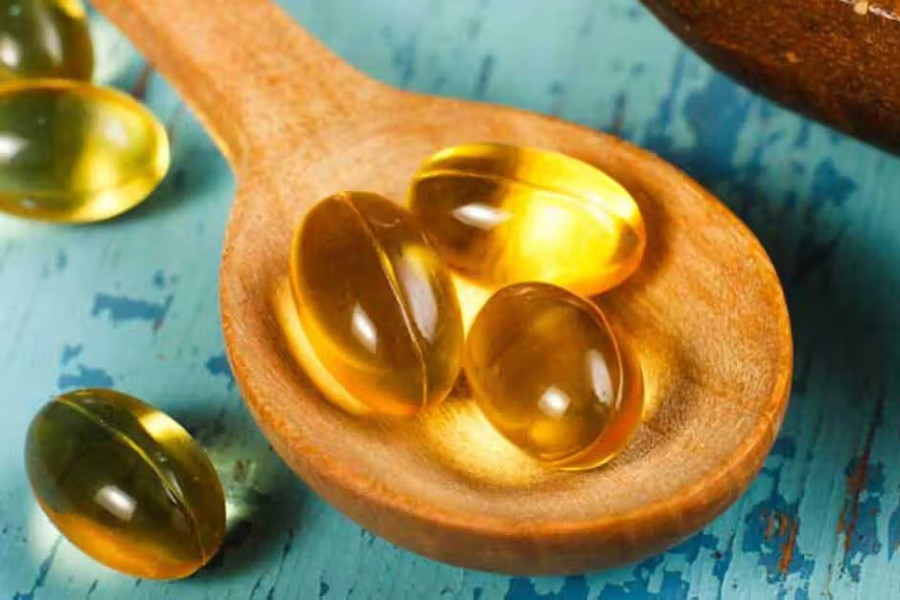
How Vegan Omega-3 Supplements Can Improve Your Wellness
A plant‑based lifestyle can do a lot for your health, but one common question remains: how do you get enough omega‑3s if you do not eat fish? That is where vegan omega-3 supplements come in. They bridge the gap between your plant-based diet and the specific fats your body uses to support your heart, brain, eyes, and more.
Below, you will learn what vegan omega-3 supplements are, why they matter for your wellness, and how to choose one that fits your needs.
Understand what omega‑3s actually do
Omega‑3s are a family of essential fats. Your body cannot make them on its own, so you have to get them from food or supplements.
There are three main types you will see mentioned:
- ALA (alpha‑linolenic acid)
- EPA (eicosapentaenoic acid)
- DHA (docosahexaenoic acid)
You mostly find ALA in plant foods like flaxseed, chia, hemp seeds, walnuts, and certain oils. Your body can convert some ALA into EPA and DHA, but the conversion is limited, often around 5 percent for EPA and 0.5 percent for DHA on average (Plant‑Based Dietitians).
EPA and DHA are the long‑chain omega‑3s your body uses directly. They play key roles in:
- Brain and nerve function
- Eye and retina health
- Heart and blood vessel support
- Skin and immune health
Because of this, public health bodies often focus on how much EPA and DHA you get, not just your total omega‑3 intake. Many guidelines suggest aiming for around 250 to 500 mg of combined EPA and DHA per day for adults (Verywell Health, Plant‑Based Dietitians).
See why vegans often need a boost
If you avoid fish and seafood, it is very likely that your diet contains little or no direct EPA and DHA. Vegan diets typically rely on ALA from plants and then trust your body to convert some of it into the long‑chain forms.
Several points are helpful to understand here:
- Vegan diets usually provide plenty of ALA from nuts and seeds, and many vegans consume omega‑3 above basic recommendations (PCRM).
- Conversion from ALA to EPA and DHA is limited, which means your blood levels of these fats can be lower if you never eat fish or algae oil (Plant‑Based Dietitians).
- High intakes of omega‑6 fats from processed oils can compete with omega‑3s in your body, which may further reduce conversion efficiency (The Vegan Society).
Even with these factors, plant-based diets still show strong heart health advantages compared with non‑vegan diets, and slightly lower EPA and DHA levels do not necessarily translate to worse health outcomes (PCRM). Still, if you want extra insurance for your brain, heart, or during specific life stages, vegan omega‑3 supplements can be a smart addition.
They are especially helpful if you:
- Rarely or never eat fish
- Are pregnant, breastfeeding, or planning pregnancy
- Follow a fully plant‑based or mostly plant‑based diet
- Have higher cardiovascular or brain health concerns
In those situations, algae‑based EPA and DHA supplements are widely recommended as a vegan alternative to fish oil (PCRM, The Vegan Society).
Learn how vegan omega‑3 supplements work
Vegan omega‑3 supplements come in two main forms:
- Algal oil (EPA and DHA)
- Plant oils rich in ALA
Algal oil: direct EPA and DHA
Algae sit at the very start of the marine food chain. Fish get their EPA and DHA by eating algae, so going straight to the source means you can skip the fish entirely.
Algal oil supplements give you pre‑formed EPA and DHA, the same beneficial fats you would find in fish oil. Research shows algae‑based omega‑3 can be just as effective as fish oil in raising blood levels of EPA and DHA for vegetarians and vegans (Bare Biology). They typically provide 300 to 900 mg of combined EPA and DHA per serving (AFPA Fitness).
Several benefits of algal oil stand out:
- Suitable for vegans and people who avoid fish
- Lower risk of contaminants like heavy metals, since algae are grown in controlled environments (Live Momentous)
- Comparable bioavailability and health benefits to fish oil (Live Momentous)
- Often better tolerated if you dislike fishy aftertastes
For general wellness, many experts suggest aiming for 250 to 500 mg per day of combined EPA and DHA. That is usually one or two typical algal oil capsules (Verywell Health).
Plant oils: extra ALA
You will also see vegan omega‑3 supplements made from flaxseed, chia, hemp, or perilla oils. These provide ALA, which your body can partially convert to EPA and DHA.
Plant oils can:
- Lower triglycerides and blood pressure
- Reduce inflammation
- Support heart health (AFPA Fitness)
However, because conversion is limited, ALA supplements are better viewed as a heart‑healthy bonus, not a full replacement for EPA and DHA if you are aiming for optimal levels.
In simple terms: ALA-rich foods and oils support your baseline omega‑3 needs, while algal oil provides the focused EPA and DHA many people look for in a supplement.
Explore the wellness benefits you can expect
When you consistently take an appropriate dose of vegan omega‑3 supplements along with a balanced diet, you support multiple areas of your health.
Heart and blood vessel health
EPA and DHA have been widely studied for cardiovascular support. Vegan versions from algae appear to offer similar benefits to fish oil, including:
- Helping lower triglycerides
- Reducing blood pressure in some people
- Supporting healthier blood vessel function
- Reducing inflammation that can affect heart health (Vegetology, AFPA Fitness)
The European Food Safety Authority and other bodies suggest around 250 mg per day of EPA and DHA to support heart and brain benefits (Bare Biology, Plant‑Based Dietitians).
Brain, mood, and cognitive support
DHA is a major structural fat in your brain, making up about 40 percent of the gray matter. EPA is known for its anti‑inflammatory effects (Vegetology). Together, they help:
- Support memory and cognitive function
- Maintain normal brain development and function across your lifespan
- Potentially reduce the risk of certain neurodegenerative and mood issues over time
Some algae-based supplements also include antioxidants like astaxanthin, which may add extra neuroprotective and anti‑inflammatory support (Bare Biology).
Eye, skin, and immune health
EPA and DHA help stabilize cell membranes throughout your body. That translates to:
- Support for healthy vision and retina function
- Better control of inflammation that affects joints, skin, and lungs
- Potentially improved skin elasticity and barrier function (Vegetology, Bare Biology)
Some research and product data suggest that consistent intake of high‑strength EPA and DHA can help reduce the risks of conditions ranging from heart disease and stroke to asthma and migraine, although you should always see those as long‑term risk modifiers, not cures (Vegetology).
Build a vegan omega‑3 routine that fits your life
You do not need a complicated plan to get the benefits. A few simple habits can cover most of what you need.
Eat ALA‑rich foods daily
Try to include at least one or two rich plant sources of ALA every day. For example, you can rotate between:
- Ground flaxseed sprinkled on oatmeal or smoothies
- Chia seeds in overnight oats or puddings
- Hemp seeds on salads or grain bowls
- Walnuts as a snack or topping
PCRM recommends at least one tablespoon daily of ground flaxseed, chia seeds, or hemp seeds to help meet omega‑3 needs (PCRM). The Vegan Society also encourages at least two ALA‑rich foods per day and suggests keeping omega‑6‑heavy processed oils in check so that your body can use omega‑3 more effectively (The Vegan Society).
Add an algae‑based EPA and DHA supplement
If you want direct EPA and DHA, look for an algal oil supplement that:
- States the exact amount of EPA and DHA per serving
- Provides a combined 250 to 500 mg daily for general health, unless your doctor recommends otherwise (Verywell Health)
- Has third‑party testing or certifications such as NSF Certified for Sport, USP, or similar, to confirm purity and potency (Verywell Health)
Many reputable vegan brands provide doses in this range. Some products go higher, which can be useful for specific health goals, but higher is not always better. Excessive EPA and DHA intake may impair immunity or increase bleeding risk, so more is not automatically safer or more effective (Plant‑Based Dietitians).
Watch freshness and quality
Omega‑3 oils are delicate. They oxidize and become rancid if handled poorly or stored too long.
When you open a bottle:
- Check that the capsules or oil do not smell strongly off or fishy
- Stop using the product if the odor is unpleasant, which can signal spoilage or low quality (Verywell Health)
Store your supplements away from direct heat and light, and respect the expiry date.
Choose the right supplement for your needs
With all the options available, it helps to focus on a few key decisions rather than every tiny detail.
Decide on your primary goal
Ask yourself what you want most from vegan omega‑3 supplements:
- General heart and brain support
- Extra support during pregnancy or breastfeeding
- Help with inflammation and recovery around exercise
- A small insurance policy on a fully plant‑based diet
For broad wellness, a moderate daily dose of combined EPA and DHA is usually enough. If you are pregnant or breastfeeding, your healthcare provider may suggest a specific DHA target and product type. In all cases, it is wise to discuss supplements with a professional who understands your medical history.
Compare labels by EPA and DHA, not “total oil”
Supplement labels can be confusing. Ignore the large number that lists “total oil” and look instead at the specific breakdown of EPA and DHA.
For instance, a capsule might contain:
- 1,000 mg algae oil, but
- Only 300 mg combined EPA and DHA
Another product with 600 mg algae oil might still offer similar or even higher EPA and DHA. For effectiveness, the combined EPA and DHA matter most (Verywell Health).
Consider your values and preferences
Vegan omega‑3 supplements also appeal because they are:
- 100 percent plant‑based, which aligns with ethical and environmental values
- Often more sustainable and resource‑efficient than fishing for fish oil
- Less likely to contribute to overfishing or marine ecosystem disruption (Wellbeing Nutrition, Live Momentous)
If those factors matter to you, they can help narrow your choices.
When to talk with a healthcare professional
Omega‑3 supplements are generally safe for most people at modest doses, but there are times when professional guidance matters more:
- You have a bleeding disorder or take blood‑thinning medication
- You are pregnant, trying to conceive, or breastfeeding
- You have chronic conditions like heart disease, diabetes, or autoimmune issues
- You are considering higher‑than‑standard doses
Both The Vegan Society and plant‑based dietitians recommend speaking with a healthcare professional before starting omega‑3 supplements to confirm that the type and dose are suitable for you (The Vegan Society, Plant‑Based Dietitians).
Putting it all together
If you follow a plant‑focused lifestyle, vegan omega-3 supplements let you support your heart, brain, eyes, and immune system without compromising your values. By combining ALA‑rich foods with a well‑chosen algae‑based EPA and DHA supplement, you can build a simple routine that quietly supports your wellness in the background.
You do not have to overhaul your diet overnight. Start small: add a spoonful of ground flaxseed to breakfast, then explore one algae‑based omega‑3 supplement that matches your needs and budget. Over time, those small steps can add up to meaningful support for your long‑term health.
About The Author