Top Reasons to Consider NMN Powder Supplements for Vitality
A growing number of people are turning to NMN powder supplements to support energy, healthy aging, and overall vitality. If you are curious about what NMN is, how it works, and whether it belongs in your routine, it helps to understand the science behind it rather than just the hype.
Below, you will learn what NMN powder supplements actually do in your body, what current research suggests about their benefits and limits, and what to keep in mind before you start taking them.
What NMN powder supplements are
Nicotinamide mononucleotide, or NMN, is a molecule your body already makes. It is a form of vitamin B3 and a direct precursor to NAD+, a coenzyme that helps your cells produce energy, repair DNA, and manage many daily metabolic tasks (NIH PMC).
As you age, your natural NMN and NAD+ levels decline. This drop is linked to lower cellular energy, slower repair processes, and increased vulnerability to age-related problems (NIH PMC). NMN powder supplements are designed to top up the raw material your body uses to make NAD+ again.
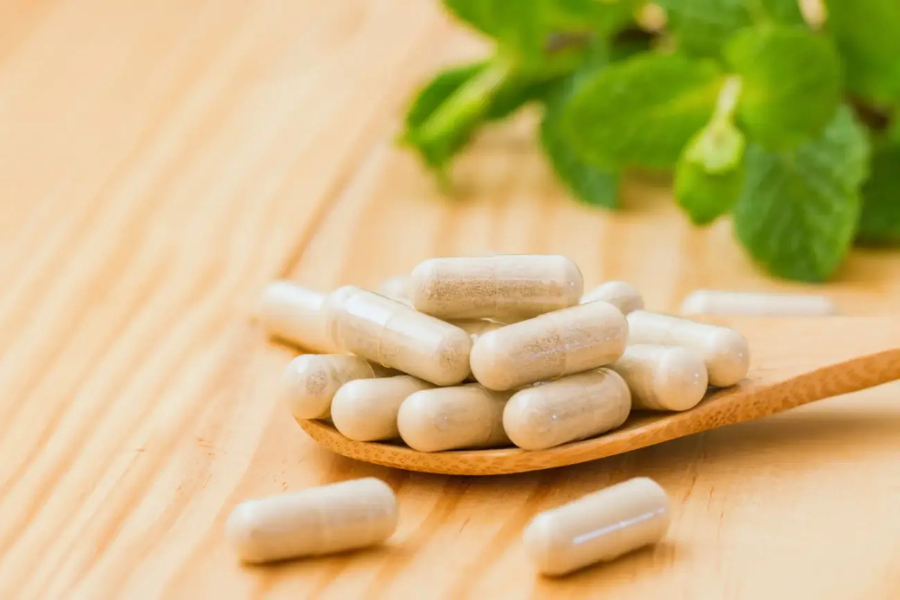
Powder is one of the most common and studied forms of NMN. It typically comes as a scoopable or capsule-ready fine powder that you can take directly or mix with liquid. Many products emphasize high purity, often above 98 to 99 percent, which is considered ideal in current supplement research (Jinfiniti).
How NMN supports your NAD+ levels
NAD+ is involved in hundreds of cellular reactions. You can think of it as a core helper molecule that allows your cells to turn food into usable energy and to activate certain repair pathways. Without enough NAD+, many of these processes start to slow down.
Animal and early human studies suggest that when you take NMN orally, your body can absorb it and convert it into NAD+ relatively quickly, which raises your circulating NAD+ levels (NIH PMC). In a controlled human trial, daily oral NMN doses between 300 and 900 mg for 60 days significantly increased total blood NAD (NAD+ plus NADH) compared with placebo, especially at 600 and 900 mg per day (PMC).
Researchers are still discussing the exact transport route that NMN uses to enter cells. Some evidence suggests NMN may be converted to another molecule, nicotinamide riboside (NR), before being taken up, which could influence how efficiently different formulations work (PMC). Even so, multiple clinical studies consistently show that oral NMN can raise blood NAD+ levels in humans.
In several human trials, NMN doses ranging from 100 mg to 2000 mg per day over 4 to 12 weeks increased blood NAD+ by roughly 1.7 to 2.5 times baseline levels, although not all studies saw the same effects at longer durations (PMC).
Potential vitality benefits from NMN
You will often see NMN powder supplements marketed for energy, longevity, and overall vitality. The real picture is more nuanced. Some benefits are supported mostly by animal data, while others have early human evidence behind them.
Cellular energy and fatigue
Because NAD+ is central to how your mitochondria produce energy, higher NAD+ levels could help your cells make ATP more efficiently. Animal studies show that NMN improves mitochondrial function and overall energy metabolism in multiple tissues (NIH PMC).
Human research is still limited, but some trials report improvements in physical performance markers. In the 60-day trial of healthy adults aged 40 to 65, participants taking NMN showed better results on the six-minute walking test than those on placebo, especially at 600 and 900 mg per day (PMC).
Another study in men aged 65 and older found that 250 mg of NMN daily for 6 to 12 weeks improved walking speed and grip strength, although the study was funded by an NMN manufacturer and needs independent confirmation (Health).
These kinds of findings suggest NMN may support functional energy and endurance, but they do not prove that everyone will feel a dramatic boost in daily energy.
Healthy aging and longevity pathways
One major reason people turn to NMN powder supplements is the hope of slowing aspects of aging. In mice, NMN supplementation has shown wide-ranging effects that look promising from a healthy aging perspective. These include:
- Better insulin sensitivity
- Improved mitochondrial function
- Enhanced neuronal survival
- Reduced inflammation in fat tissue
- Protection against age-related diseases like diabetes, ischemic heart injury, and Alzheimer’s-like conditions (NIH PMC)
In humans, the data is much younger. A small 2021 study on “pre-aging” mice and eight adults aged 45 to 60 found that 30 days of NMN lengthened telomeres, which are DNA structures linked to cellular aging (Health). Another clinical trial using a blood-based biological age calculator found that biological age increased in the placebo group over 60 days, but stayed stable in the groups taking NMN (PMC).
These early results are intriguing, but they are not the same as long-term proof that NMN can extend lifespan or prevent age-related disease in humans. As a 2023 review notes, no large, long-duration trials have yet confirmed that NMN delays functional decline or reduces disease risk on a population level (PMC).
Metabolic and cardiovascular support
Because NAD+ is intertwined with metabolism, researchers have looked at whether NMN might improve markers related to blood sugar, insulin, and cardiovascular health.
In animal models, NMN has improved insulin sensitivity and helped normalize some metabolic dysfunctions associated with aging (NIH PMC). In humans, the picture is more mixed. One 60-day trial found that NMN up to 900 mg per day did not significantly change insulin resistance in healthy adults compared with placebo (PMC).
A health-focused summary notes that raising NAD+ through NMN may help the body respond better to insulin, but emphasizes that human data on blood sugar, insulin, and blood fats is still limited (Health). If you are specifically looking to manage blood sugar or cardiovascular risk, you should view NMN as experimental and not a substitute for medical treatment or lifestyle changes.
What human studies actually show so far
Sorting hype from reality often comes down to looking directly at the clinical data. Here are some key takeaways from the human studies referenced in the current research:
- NAD+ levels: Oral NMN at 250 to 900 mg per day typically raises blood NAD+ by about 1.7 to 2.5 times baseline over 4 to 12 weeks in adults (PMC, PMC).
- Physical performance: Some trials report improvements in six-minute walk distance, walking speed, grip strength, and aerobic capacity, especially in older adults taking 250 to 900 mg per day (PMC, Health).
- Biological age markers: Short-term research suggests NMN may help maintain measured biological age over several weeks, while control groups show slight increases (PMC).
- Muscle strength overall: A systematic review of 10 randomized controlled trials concluded that NMN and nicotinamide riboside generally did not improve muscle strength or physical function in older adults as a whole (Examine).
- Safety: Trials up to 60 days with daily doses of 300 to 900 mg report that NMN is well tolerated with no serious adverse events or lab abnormalities in healthy adults (PMC). Other evidence suggests doses up to 1250 mg per day are generally safe in the short term (Health).
Overall, NMN looks promising for raising NAD+ and may support aspects of physical performance and healthy aging markers. At the same time, it is important to remember that long-term human data is still missing.
Typical NMN powder dosing and timing
If you are considering NMN powder supplements, dosage and timing are two practical questions you will face quickly.
Research studies have used a wide range of doses, from 100 mg to 2000 mg per day, usually over 4 to 12 weeks (Examine, PMC). Many human trials cluster around 250 to 900 mg daily, which appears to be both effective at raising NAD+ and well tolerated (Health, PMC).
Some supplement practitioners suggest the following practical framework:
- Start at about 250 mg per day so you can see how your body responds.
- Adults under 35 may stay in the 250 to 500 mg range.
- Adults over 35 sometimes increase gradually up to 1000 mg per day based on their goals and tolerance (Jinfiniti).
Powder can make dosing easier because you can measure out small adjustments with a scale or a standardized scoop. It also allows you to choose simple formulations without extra fillers.
For timing, NMN is often taken in the morning on an empty stomach. This is thought to align with your natural NAD+ production rhythm and may support daytime energy. Some people notice that taking it later in the day makes it harder to fall asleep, which is another reason morning dosing is commonly suggested (Jinfiniti).
Safety, side effects, and open questions
Short-term trial data suggests that NMN powder supplements are generally well tolerated at typical doses, but that does not mean they are risk free or suitable for everyone.
Human trials up to 60 days show no significant changes in blood or urine labs, vital signs, or physical exams at doses up to 900 mg per day in healthy adults (PMC). Another review notes that doses up to 1250 mg per day have not produced serious short-term adverse effects and most reported side effects are mild, such as stomach discomfort, headache, or dizziness (Health, Jinfiniti).
At the same time, several important issues are still unresolved:
- Long-term safety: There are no large, long-duration human trials yet that clarify what happens if you take NMN for many years (PMC).
- Chronic conditions: Some experts have raised questions about how NMN might interact with chronic inflammation, neurological disorders, or the senescence-associated secretory phenotype (SASP), which is a pro-inflammatory state associated with aging cells (Examine).
- Regulatory status: In the United States, NMN has been classified as an investigational drug, which has restricted its availability as a dietary supplement despite its popularity elsewhere (Examine).
- Interactions with other ingredients: Many NMN products blend multiple active compounds. We do not yet have strong data on how these combinations behave over the long term (Health).
If you have any chronic health condition, take prescription medications, or are pregnant or breastfeeding, it is wise to talk to your healthcare provider before starting NMN. It is also a good idea to choose third-party tested products and to check the actual amount of NMN per serving so you know your real intake.
How to decide if NMN powder is right for you
When you look at all the data together, NMN powder supplements make the most sense if you are interested in supporting your NAD+ levels and exploring an evidence-informed but still emerging approach to healthy aging.
You may want to consider NMN powder if:
- You are curious about longevity science and are comfortable using a supplement with promising but incomplete human evidence.
- You like the idea of precise dosing and potentially higher purity that powders can offer.
- You are looking to support energy, physical performance, or healthy aging markers in addition to, not instead of, foundational habits like sleep, nutrition, and movement.
On the other hand, NMN powder may not be a fit if you want guaranteed long-term longevity outcomes, if you are managing complex medical conditions that have not been studied with NMN, or if you prefer to stick strictly to interventions with large-scale human data behind them.
If you decide to try NMN powder, start low, increase gradually if needed, and monitor how you feel. Keep in mind that subtle changes in stamina, sleep, or recovery may take several weeks to notice, and that your experience might differ from what is seen in studies.
Most importantly, treat NMN as one tool among many. It can complement, but never replace, the everyday choices that have the strongest track record for supporting vitality: regular movement, nutrient-dense food, stress management, and good sleep.
About The Author