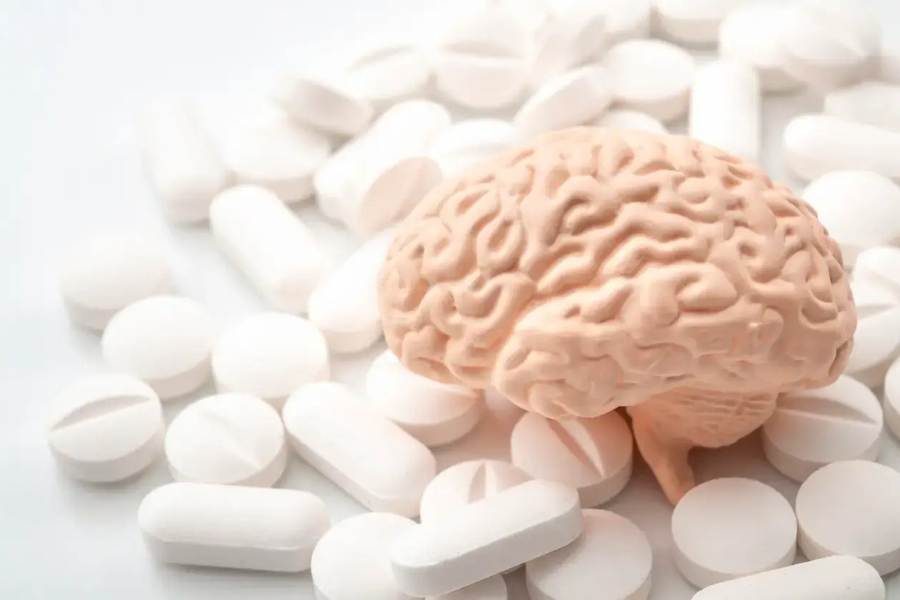
Boost Your Brainpower Safely with These Trusted Nootropics
A sharp, focused mind makes everything in your day easier, from work projects to remembering where you left your keys. That is where brain boosting nootropics come in. These supplements and medications are designed to support cognitive functions such as memory, focus, and mental energy. At the same time, they are not all created equal, and some carry real risks if you use them the wrong way.
Below, you will learn what nootropics are, how different types work, which options have the most research behind them, and how to use them as safely as possible.
What are brain boosting nootropics?
Nootropics, often called smart drugs or brain boosters, are substances that can affect how your brain works. They may help with:
- Memory and learning
- Mental alertness and concentration
- Energy, wakefulness, and motivation
Originally, the word nootropics referred to a narrow group of chemicals that met strict safety and effectiveness criteria. Today, it is used much more broadly for everything from dietary supplements to prescription medications that might improve mental performance in some way (WebMD).
Researchers have found that many nootropics can help when a person already has a brain related condition, such as dementia, vascular problems, or brain injury (PMC). The evidence for big benefits in healthy people is weaker and often inconsistent, so it is important to approach any brain boosting nootropic with realistic expectations.
Types of nootropics you might come across
You can group brain boosting nootropics into three broad categories. Understanding the differences helps you decide what might make sense to discuss with a healthcare professional.
1. Prescription nootropics
These are medications that doctors prescribe for specific conditions, such as ADHD or sleep disorders. They can affect attention, wakefulness, and impulse control, which is why some people try to use them for studying or work.
Common examples include:
- ADHD medications like methylphenidate (Ritalin), lisdexamfetamine, and dexamfetamine
- Modafinil, a drug for narcolepsy and other sleep disorders
Modafinil promotes wakefulness and alertness and has been studied for its potential to reduce stimulant withdrawal and drug cravings, although more research is still needed (Alcohol and Drug Foundation). ADHD medications used as nootropics in people without ADHD have been linked to changes in brain chemistry, sleep disruption, weight loss, and increased risk taking behavior (Alcohol and Drug Foundation).
In some countries such as Australia, modafinil is a Schedule 4 prescription only substance, while methylphenidate is Schedule 8, which means strict legal controls apply and non medical use, buying without a prescription, or forging prescriptions is illegal (Alcohol and Drug Foundation).
If you do not have a diagnosed condition, using these drugs purely for a cognitive boost is not recommended. The potential short term performance bump is not worth the legal and health risks.
2. Classical synthetic nootropics
These are older compounds that were originally developed to support brain function in people with cognitive decline or brain injuries. They work in different ways, including improving blood flow and oxygen to the brain, or supporting the way brain cells use energy.
Examples include:
- Piracetam
- Meclofenoxate
- Nicergoline
- Vinpocetine
- Naftidrofuryl
- Dihydroergotoxine
Piracetam, meclofenoxate, and nicergoline have been used to treat conditions such as Alzheimer disease, vascular dementia, and cognitive problems after brain injury, with doses ranging from about 2 to 8 grams daily for piracetam and 30 to 60 milligrams daily for nicergoline (PMC). Other substances such as vinpocetine, naftidrofuryl, and dihydroergotoxine are used to improve cerebral blood flow and brain metabolism in stroke and other cerebrovascular disorders (PMC).
These compounds are generally well tolerated with mild side effects when used under medical supervision, but their long term effects in healthy people are still not clear (PMC). In many places they are prescription only or regulated, so you should not experiment with them on your own.
3. Natural and supplement based nootropics
Natural nootropics come from plants or nutrients and usually have a gentler effect. Many of them have antioxidant or anti inflammatory properties that may support long term brain health rather than giving you a dramatic short term boost.
Some of the better known options include:
- Panax ginseng
- Ginkgo biloba
- Bacopa monnieri
- Fish oil (omega 3 fatty acids like DHA and EPA)
- Creatine
- Certain B vitamins
- Caffeine and L theanine
Plant based nootropics like Panax ginseng contain active compounds called ginsenosides that can improve memory and protect brain cells from oxidative damage in research models, and they tend to have lower toxicity but may require higher doses for effects (PMC).
You will also see blended products that combine several ingredients. For example, one brain support supplement from Nuven Naturals includes lion’s mane, ginkgo biloba, bacopa monnieri, ashwagandha root, rhodiola rosea, turmeric, gotu kola, and BioPerine to support memory, focus, clarity, and energy. It is vegan, non GMO, uses vegetable capsules with no eggs, soy, or shellfish, and is third party tested, with a recommended dosage of two capsules daily with a meal or as advised by a healthcare professional (Amazon).
Even with natural options, you should still treat them as active substances. Side effects are possible, and the safety of long term use is not always well studied.
Which brain boosting nootropics have the best evidence?
Many nootropic supplements are marketed heavily, but only a few have meaningful human research behind them. Looking at the evidence helps you focus on options that are more likely to be worth your time and money.
Omega 3s from fish oil
Fish oil supplements are rich in omega 3 fatty acids, especially DHA and EPA, which are important for brain cell structure. A 2022 systematic review found that DHA supplementation was associated with improved thinking skills in adults with an average age of 45 years (Healthline).
You may benefit most if your usual diet is low in fatty fish such as salmon, sardines, or mackerel. If you already eat fish regularly, the added effect from a supplement might be smaller.
Creatine
Creatine is better known for its role in muscle energy, but your brain uses it too. A 2024 review suggested that creatine supplementation can improve memory and processing time, although it did not significantly improve overall cognitive function. A 2020 review also found that benefits may be more pronounced in vegetarian athletes, who tend to have lower baseline creatine levels (Healthline).
If you already use creatine for fitness, you may be getting some cognitive support as a bonus.
Bacopa monnieri
Bacopa is an herb used in traditional medicine that has attracted attention as a brain boosting nootropic. Some studies, including research in people with vascular dementia and mild cognitive impairment, suggest it can improve memory and information processing speed, although most of the evidence is still limited and more high quality trials are needed (WebMD).
It usually needs to be taken consistently for several weeks before you notice an effect, so it is not a quick fix for an all nighter.
Ginkgo biloba
Ginkgo is one of the most popular herbal brain supplements, but the research is mixed. A 2023 review involving 1,642 people found that ginkgo, when used along with dementia medication, may improve vocabulary. Another review from 2020 concluded that a daily dose of 240 milligrams for 24 weeks might enhance cognitive function in people with mild dementia (Healthline).
For healthy adults, the benefits are less clear, and results are often inconsistent. If you try ginkgo, it is especially important to talk with a doctor first because it can interact with blood thinners and other medications.
Caffeine and L theanine
Caffeine is the most widely used natural nootropic in the world. It does more than keep you awake. Research suggests it can improve thinking skills by increasing access to neurotransmitters like acetylcholine, which supports short term memory and learning (WebMD).
Pairing caffeine with L theanine, an amino acid found in tea, may help smooth out jitters and support focused attention. Together, they have shown benefits for multitasking and mental performance in some small studies (WebMD).
When nootropics help most
Across many studies, one pattern shows up repeatedly. Brain boosting nootropics seem to be most effective when you have:
- A diagnosed mental health or neurological condition
- Nutrient deficiencies
- Age related cognitive decline
For healthy adults, the effects are usually smaller and sometimes not noticeable at all. Many experts, including neurologists, caution that claims for over the counter memory boosters are often overstated and that any perceived improvement may be due to the placebo effect (WebMD).
Risks, side effects, and safety basics
Even though many nootropics are marketed as “natural” or “safe,” they still affect your brain chemistry and body. Here are key safety points to keep in mind so you can use brain boosters more responsibly.
Understand the limits of the research
- For prescription nootropics used by healthy people, the evidence on long term safety and benefits is limited. Many concerns remain about their effect on brain development, sleep, and mood (Alcohol and Drug Foundation).
- For natural supplements, there are often small studies with promising results, but large, long term trials are rare. As of 2024, researchers still stress that more work is needed to confirm how effective these supplements really are (Healthline).
Common side effects and interactions
Possible issues can include:
- Digestive upset such as nausea or stomach pain
- Headaches or sleep disruption
- Changes in appetite or weight
- Interactions with medications, especially blood thinners, antidepressants, and drugs for blood pressure or seizures
For example, users of a blended brain supplement are advised to stop immediately and seek medical advice if they experience symptoms like stomach pain, nausea, or a rash and to talk with a healthcare professional first if they are pregnant, nursing, on medication, or under medical care (Amazon).
Legal and ethical concerns
Using prescription drugs such as ADHD medications or modafinil without a diagnosis and a prescription is not only risky for your health, it can also be illegal depending on where you live. In some regions, supplying, buying, or even possessing these medicines without proper authority can lead to legal consequences (Alcohol and Drug Foundation).
There are also ethical questions when people use these drugs to gain an edge in exams or competitive environments, which some institutions treat in the same way as academic dishonesty.
How to choose and use nootropics more safely
If you decide to explore brain boosting nootropics, a careful, step by step approach will help you balance curiosity with caution.
Start with the basics
Before you add any supplements, it is worth asking whether you have covered the fundamentals that strongly affect brain function:
- Enough sleep and a regular sleep schedule
- Movement throughout the day and some form of exercise
- A nutrient dense diet with healthy fats, protein, and colorful plants
- Time away from screens and chronic stress
Many people who feel unfocused or foggy notice major improvements from these habits alone. Nootropics may then be a small extra rather than a fix.
Talk with a healthcare professional
Because many brain boosting nootropics interact with medications or underlying conditions, you should always check with a doctor, pharmacist, or qualified healthcare provider before starting. This is especially important if you:
- Take any prescription or long term over the counter medications
- Are pregnant or breastfeeding
- Have a history of heart disease, seizures, mood disorders, or blood clotting issues
Bring a list of products you are considering, including their ingredient labels and suggested dosages, so you can review them together.
Choose quality products
When you compare supplements, look for:
- Third party testing or quality certifications
- Clear labeling with exact dosages of each ingredient
- A transparent company that lists all active and inactive ingredients
The Nuven Naturals example is one model, since it is third party tested and clearly lists its herbal ingredients and capsule information (Amazon).
Introduce one change at a time
If you take several new supplements together, it is hard to tell what is helping or causing side effects. Instead:
- Add only one new nootropic at a time.
- Use the lowest effective dose that matches research studies or product instructions.
- Give it enough time, often at least four to eight weeks for herbal options, before judging the effect.
- Keep a simple journal of your sleep, mood, focus, and energy.
If you notice side effects, stop taking the product and contact a healthcare professional. Do not push through uncomfortable symptoms just to see if a benefit appears later.
When nootropics might be worth considering
Brain boosting nootropics are not magic pills, but they can play a useful role in certain situations when used carefully.
You might consider discussing them with a professional if:
- You have mild memory concerns and want to support healthy aging, alongside lifestyle changes.
- You follow a restrictive diet that might leave gaps in nutrients related to brain health, such as omega 3 fats or certain B vitamins.
- You are already taking a supplement such as creatine for fitness and want to understand its potential cognitive effects.
- You are curious about herbal options like bacopa or ginseng and are willing to commit to a slow, steady trial.
In all cases, it makes sense to treat nootropics as one piece of a broader brain health plan rather than a substitute for sleep, movement, nutrition, or mental health support.
If a product promises instant genius level intelligence or guaranteed exam success, it is probably overselling what nootropics can realistically do.
By understanding how different brain boosting nootropics work, what the research actually shows, and how to use them thoughtfully, you give yourself the best chance of getting real benefits while keeping your brain, and the rest of your body, safe.
About The Author