Nootropics for Motivation That Truly Energize Your Mind
Nootropics for motivation are often marketed as a shortcut to feeling focused, driven, and mentally “on” all day. In reality, they are tools that can support motivation, not replace sleep, good nutrition, or realistic goals. When you understand how they work and their limits, you can use them more safely and effectively.
Below, you will learn what nootropics for motivation actually do, which ingredients are best studied, and how to decide whether they fit into your own routine.
What nootropics for motivation are
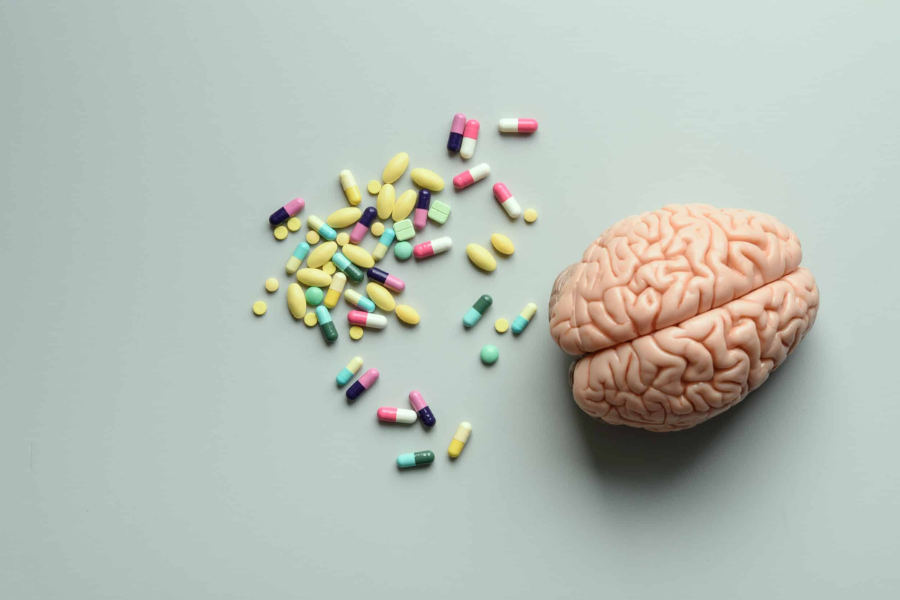
Nootropics, sometimes called “smart drugs” or cognitive enhancers, are substances that can support thinking, learning, memory, and attention. They were originally developed to help when these functions are impaired, but many healthy people now use them hoping for better focus, energy, and motivation. (PMC)
Most nootropics do not act like a strong stimulant. Many work gradually, over weeks or months of consistent use. Their long term effects in healthy people are still not fully understood, so it is important to approach them with realistic expectations and a focus on safety. (PMC; Alcohol and Drug Foundation)
How nootropics may boost motivation
Motivation has a lot to do with dopamine, sometimes called the “motivation molecule.” When your dopamine system is working well, you are more likely to feel driven to start tasks, stay on them, and enjoy progress. Several nootropics for motivation focus on supporting healthy dopamine levels and making your brain more resilient to stress. (Mind Lab Pro)
Other nootropics work by improving blood flow to the brain, supporting cell energy production, or reducing the impact of stress hormones that can drain your mental drive. In practice, that can translate to steadier focus and less “brain fog,” which often feels like better motivation.
Key brain chemicals involved in motivation
You do not need to be a neuroscientist to understand the basics of how nootropics affect your motivation. A few major systems are involved.
Dopamine and “wanting” to act
Dopamine helps you anticipate rewards, feel curious, and keep going when a task is challenging. Healthy dopamine levels support:
- Willingness to start tasks
- Enjoyment of progress and small wins
- Ability to stay focused long enough to finish
Several nootropics for motivation are designed to support dopamine production, protect dopamine neurons, or help your brain use dopamine more efficiently. (Mind Lab Pro)
Stress, cortisol, and burnout
High stress and elevated cortisol levels can drain your motivation. When your brain constantly feels threatened or overwhelmed, it tends to avoid effort and seek quick comfort instead. Some nootropics, especially adaptogenic herbs, aim to balance your stress response so you can stay clear headed under pressure.
Other neurotransmitters that play a role
Serotonin, norepinephrine, acetylcholine, and GABA also shape how you feel and perform. They influence mood, alertness, learning speed, and calm focus. Effective nootropic stacks often include ingredients that work together across several of these systems instead of only pushing one chemical up.
Popular natural nootropics for motivation
You will find many nootropic ingredients on supplement labels. The ones below are among the most commonly discussed for motivation and mental drive.
N-Acetyl L-Tyrosine (NALT)
NALT is a more soluble form of the amino acid L-tyrosine. Your body uses tyrosine to make dopamine, norepinephrine, and epinephrine, all of which are involved in alertness and motivation. When you are under intense mental stress, you can burn through tyrosine more quickly, which may leave you feeling flat or unmotivated.
Using NALT is one way to replenish the raw material your brain needs to keep producing these neurotransmitters. It is often used before demanding mental work, long study sessions, or high pressure days at work. (Mind Lab Pro)
L-Theanine
L-theanine is an amino acid naturally found in tea leaves. It promotes alpha brainwaves, which are linked with calm wakefulness rather than drowsiness. L-theanine can support motivation indirectly by:
- Reducing feelings of anxiety that make you avoid tasks
- Improving focus, especially when combined with caffeine
- Slightly increasing levels of dopamine, serotonin, and GABA in the brain
If you feel wired and jittery on coffee alone, pairing caffeine with L-theanine can give you smoother, more focused energy that feels more sustainable for deep work. (Mind Lab Pro)
B vitamins
B6, B12, and folate are essential cofactors in the synthesis of dopamine and other neurotransmitters. If you are low in these vitamins, your brain may struggle to maintain healthy motivation and attention. They also help with energy metabolism, which is relevant if you often feel mentally tired.
Supporting optimal B vitamin intake through diet or supplements can help maintain motivation, especially as you age and absorption changes. Just keep in mind that they are supportive nutrients, not quick acting stimulants. (Mind Lab Pro)
Rhodiola rosea
Rhodiola is an adaptogenic herb that has been used traditionally in harsh climates to fight fatigue and low mood. It appears to help regulate cortisol, the main stress hormone, and may improve mental performance and motivation in stressful situations.
Some people notice effects from Rhodiola within minutes, reporting clearer thinking and less mental fatigue. It is often used when you want to feel more “switched on” without the buzzy edge of stronger stimulants. (Mind Lab Pro)
Ginseng
Panax ginseng contains active compounds called ginsenosides. These may increase nitric oxide production, which can improve blood flow, and support antioxidant defenses in the brain. In animal studies, ginseng has improved memory and synaptic plasticity, and studies combining ginseng with Ginkgo biloba have reported memory benefits in humans. (PMC)
While much of the research focuses on memory and cognitive performance, the overall effect can feel like better mental energy and resilience, both of which support your motivation.
If you are looking for motivation support that feels more balanced than a strong stimulant, starting with natural nootropics like L-theanine, Rhodiola, B vitamins, and ginseng is often a gentler approach.
Synthetic nootropics and prescription stimulants
Alongside natural options, you will see synthetic nootropics and prescription medications discussed in forums and online communities. These can have stronger and faster effects, but they also come with higher risks.
Classic synthetic nootropics
Some older synthetic compounds have been studied primarily in people with cognitive decline or other medical issues, not healthy users.
- Deanol (DMAE) is a choline precursor found in the brain and fish. Human studies suggest it can increase alertness, attention, overall mood, and improve sleep quality, including more vivid or lucid dreams. Typical doses range from 500 to 2000 mg per day. It is not recommended if you are pregnant, breastfeeding, or have schizophrenia. (PMC)
- Meclofenoxate combines DMAE with another compound. Animal studies show increased central nervous system choline and acetylcholine, improved memory, and reduced neuronal damage and oxidative stress. In elderly people, one double blind study found improved mental alertness. Typical doses are 500 to 2000 mg daily, and toxicity is described as low, though overdosing can cause side effects. (PMC)
- Vinpocetine is a semi synthetic derivative used as a nootropic and vasodilator. It appears to improve cerebral blood flow, brain glucose and oxygen consumption, and cell tolerance to low oxygen levels. Usual doses are 10 to 30 mg per day. Rare side effects include nausea, dizziness, and headache, and it should not be used during pregnancy or breastfeeding. (PMC)
These compounds are sometimes included in nootropic blends or sold individually, but access and legal status vary by country.
Prescription medications used as “study drugs”
Some people use prescription medications off label in hopes of boosting motivation and performance. It is important to understand both the potential benefits and the significant risks.
- Eugeroics like modafinil were developed to promote wakefulness in conditions such as narcolepsy. They were introduced in the late 1990s and can improve alertness and reduce sleepiness. Their ability to enhance cognition in healthy people is less clear, and they can lead to side effects, including dependence risks, especially when used without medical supervision. (Alcohol and Drug Foundation)
- ADHD medications, such as methylphenidate, lisdexamfetamine, and dexamfetamine, can strongly affect attention and motivation in people diagnosed with ADHD. In people without ADHD, they can cause sleep disruption, increased risk taking, weight loss, and other side effects. Their use as nootropics by healthy individuals carries both health and legal risks. (Alcohol and Drug Foundation)
In Australia, for example, modafinil is a Schedule 4 prescription drug and methylphenidate is a Schedule 8 drug with strict prescribing protocols. Using them without a prescription is illegal and can be dangerous. (Alcohol and Drug Foundation)
If you suspect you might have ADHD or another condition that affects motivation, talk with a health professional instead of self prescribing.
How safe and effective nootropics really are
You will often see strong claims about nootropics for motivation online. The actual evidence is more cautious.
The Alcohol and Drug Foundation notes that claims that nootropics significantly improve cognitive performance in healthy people are weak, and that many products marketed as nootropic supplements have not been thoroughly evaluated for safety or effectiveness. Some nutrient based supplements like certain B vitamins, fish oil, Ginkgo biloba, and Bacopa monnieri may offer safer, longer lasting support, but their effects are usually modest and not immediate. (Alcohol and Drug Foundation)
For most healthy people, it is better to think of nootropics as one piece of a larger motivation toolkit, not as magic pills. You will get more out of them if you combine them with good sleep, regular movement, a nutrient dense diet, and realistic planning.
How to choose and use nootropics for motivation
If you decide to experiment with nootropics for motivation, a simple and structured approach helps you stay safe and actually notice what works.
Start with lifestyle and basic nutrients
Before adding complex stacks, make sure your base is covered:
- Prioritize 7 to 9 hours of sleep when possible
- Eat regular meals that include protein, healthy fats, and colorful plants
- Stay hydrated throughout the day
- Check with a health professional about potential nutrient gaps such as B vitamins or iron if you feel constantly tired
Once your foundation is solid, basic nootropics like L-theanine, NALT, B complex vitamins, or adaptogens such as Rhodiola and ginseng often make more of a difference.
Add one nootropic at a time
It is tempting to try several things at once, but that makes it hard to tell what is helping. Instead, try this process:
- Choose one nootropic that matches your main challenge, such as stress, mental fatigue, or lack of focus.
- Use it consistently at an appropriate dose for a few weeks, unless you experience side effects.
- Keep a simple log of your energy, focus, and mood on work or study days.
- Decide whether the benefits feel meaningful enough to continue before adding anything new.
Talk with a professional first
Because long term effects of many nootropics in healthy people are unclear, it is wise to talk with a doctor or qualified practitioner, especially if you:
- Take prescription medications
- Are pregnant or breastfeeding
- Have a history of mental health conditions
- Have cardiovascular, liver, or kidney issues
They can help you avoid dangerous interactions and choose options with a better established safety profile.
Putting it all together
Nootropics for motivation can support your mental drive, but they work best as part of a bigger picture. Ingredients like N-Acetyl L-Tyrosine, L-theanine, B vitamins, Rhodiola rosea, and ginseng focus on healthy dopamine function, stress balance, and brain energy. Synthetic nootropics and prescription stimulants can be more potent, yet they carry more serious risks and should only be used under medical supervision. (PMC; Alcohol and Drug Foundation)
If you are curious, you can start small, track how you feel, and combine nootropics with supportive habits rather than relying on them alone. That way you are not only chasing motivation, you are building it on solid ground.
About The Author