How Fat Burning Pills Can Boost Your Healthy Weight Journey
A lot of people reach a plateau in their healthy weight journey and start looking at fat burning pills for an extra push. It is understandable that you want something to speed things up, but it also makes sense to ask how these supplements really work and whether they are safe. When you understand what fat burning pills can and cannot do, you are in a better position to decide what fits into your long term health goals.
What fat burning pills actually do
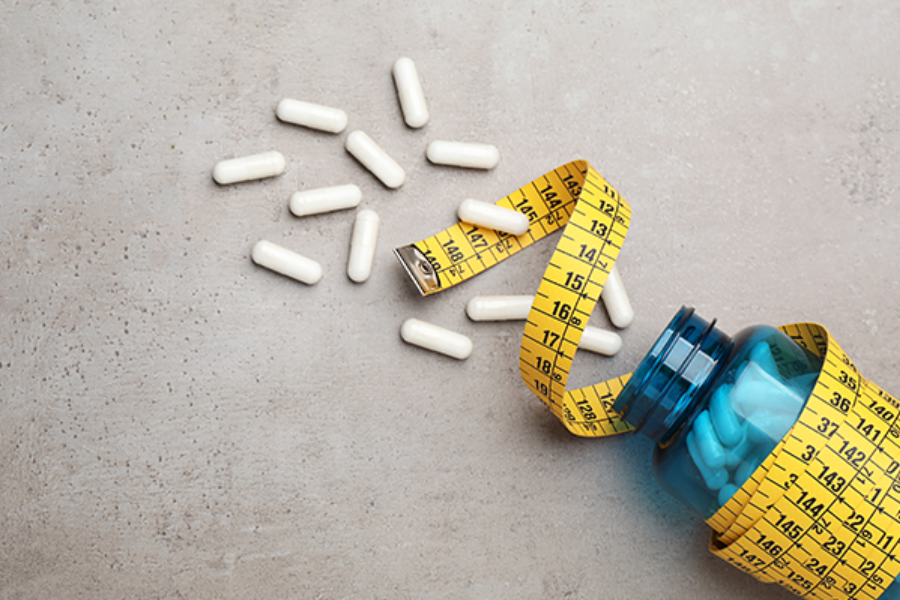
Despite the name, fat burning pills do not literally melt fat on contact. Most products try to nudge your metabolism or appetite in one or more of these ways:
- Increase energy expenditure or resting metabolic rate
- Boost fat oxidation, so your body uses more fat for fuel
- Reduce appetite or increase feelings of fullness
- Decrease the absorption of fat or carbohydrates from food
Caffeine, green tea extract, soluble fiber and ingredients like yohimbine are common in these supplements because they have some evidence of affecting these pathways. However, major health organizations point out that, overall, the evidence for most over the counter fat burners is limited and mixed, and some products may cause harm or interact with medications (NIH ODS, Cleveland Clinic, WebMD).
So instead of thinking of fat burning pills as a magic fix, you can view them as one optional tool that might offer modest support, but only if you are already eating well and moving your body consistently.
Common ingredients and how they work
Many brands look different on the outside but share similar active ingredients inside. Knowing the basics helps you read labels with a more critical eye.
Caffeine
Caffeine is one of the best studied natural fat burners. It is found in coffee, tea, cocoa and added to many weight loss pills. Research suggests that caffeine can:
- Boost metabolism and increase energy expenditure
- Raise catecholamine levels, which encourage your body to use stored fat for fuel
- Increase fat oxidation in a dose dependent way, up to a point (Healthline, NIH ODS)
For most healthy adults, up to 400 mg per day from all sources is considered the upper safe limit. If you are also drinking coffee or energy drinks, it is easy to overshoot that amount. High doses can lead to jitters, insomnia, rapid heart rate and increased blood pressure, especially if you are sensitive to stimulants.
Green tea extract
Green tea extract usually contains caffeine plus a compound called EGCG. Together they may slightly increase thermogenesis and fat burning, especially when combined with caffeine. An analysis of several studies found that this combo increased fat burning by about 16 percent compared to a placebo (Healthline).
That sounds impressive, but the absolute effect on long term weight loss is still relatively modest. Green tea extract can also cause side effects like nausea or, rarely, liver issues in very high doses, so more is not always better.
Protein based supplements
Protein powders like whey, casein, soy, egg and hemp are sometimes included in weight loss systems or used alongside fat burning pills. Adequate protein helps you:
- Maintain muscle mass while losing fat
- Feel fuller for longer between meals
- Slightly increase metabolism through the thermic effect of food
Research suggests that if you do not get enough protein through food, adding 25 to 50 grams of protein powder per day can support fat loss and appetite control (Healthline). This approach tends to be safer and more sustainable than stimulant heavy fat burner blends.
Soluble fiber
Soluble fiber supplements like glucomannan or psyllium husk are sometimes marketed as fat burners because they can:
- Increase fullness hormones such as PYY and GLP 1
- Reduce levels of the hunger hormone ghrelin
- Slow digestion and nutrient absorption
- Slightly reduce calorie absorption from food (Healthline)
This is more of a “help you eat less without feeling deprived” effect than a direct fat burning effect. As a bonus, soluble fiber supports healthy digestion and blood sugar balance, which benefits your overall health beyond weight loss.
Yohimbine and other niche ingredients
More aggressive fat burning pills sometimes use yohimbine, an extract from the bark of Pausinystalia yohimbe. Yohimbine can block alpha 2 adrenergic receptors and potentially enhance adrenaline’s fat burning effect. One small study found a 2.2 percent body fat reduction in lean athletes over three weeks compared with placebo (Healthline).
However, yohimbine has a narrow safety window. Higher doses are linked with anxiety, dangerously high blood pressure, heart palpitations and serious interactions with medications. This is a good example of why “natural” does not always mean safe.
You will also see ingredients like carnitine, African mango extract or chitosan. Some early research suggests very small short term benefits, such as an average of 1.7 kilograms more weight loss with chitosan compared to placebo, but study quality is often low and the effects are usually too small to be very meaningful (NIH ODS).
In most cases, the ingredient list looks more impressive than the actual impact on your weight.
Prescription fat burning pills and medications
If you live with obesity or weight related health conditions, your healthcare provider might discuss prescription weight loss medications with you. These are different from over the counter fat burning pills and have been studied more thoroughly.
According to the Mayo Clinic, FDA approved prescription drugs can add roughly 3 to 12 percent more total body weight loss over a year compared with lifestyle changes alone, and may help lower blood pressure, blood sugar and triglycerides at the same time (Mayo Clinic).
Current long term options include:
- Bupropion naltrexone, affects appetite and reward centers in the brain
- Liraglutide and semaglutide, GLP 1 agonists that increase fullness and slow digestion
- Phentermine topiramate, a combination that reduces hunger
- Orlistat, which blocks some fat absorption from food
- Setmelanotide, reserved for very rare genetic forms of obesity (Mayo Clinic)
These medications are not side effect free. Nausea, constipation, diarrhea, increased heart rate and headaches are all relatively common, so regular medical monitoring is essential (Mayo Clinic). Some, like phentermine, can also affect sleep and heart rate and are not suitable if you have certain heart or thyroid conditions (Obesity Medicine Association).
GLP 1 medications such as semaglutide and tirzepatide have become especially popular, but they come with their own set of challenges. Nearly half of users experience nausea, vomiting, bloating, diarrhea or constipation, and many people stop treatment within a year because of side effects or other issues (SIU Medicine, Obesity Medicine Association).
On the other hand, a 2024 analysis reported that semaglutide did not increase suicidal thoughts and may even be associated with lower risk compared to other obesity medications (Obesity Medicine Association). This is a good reminder that the picture is complex and best interpreted with the help of a medical professional who knows your history.
Safety concerns you should know about
The supplement aisle can look full of quick fixes, but the reality is more complicated.
Major health organizations highlight several concerns:
- Effectiveness is often unproven. The U.S. Government Accountability Office notes that little is known about whether many weight loss supplements actually work (NIH ODS).
- Regulation is limited. Fat burner supplements are not regulated by the FDA in the same way medications are, so manufacturers do not have to prove their products are safe or effective before selling them (Cleveland Clinic).
- Hidden ingredients occur. Some products have been found to contain undisclosed substances or banned stimulants like ephedra, which was removed from the market after reports of high blood pressure and heart attacks (WebMD).
- Side effects are common. Jitteriness, nausea, increased heart rate and elevated blood pressure are frequently reported with stimulant based fat burners, especially in people who already have heart or blood pressure issues (Cleveland Clinic, WebMD).
- Medication interactions are real. Many ingredients can interfere with prescriptions you take for blood pressure, mood, diabetes or other conditions, so checking with your healthcare provider first is essential (WebMD).
Because Americans already spend more than 2 billion dollars per year on weight loss pills, including fat burners, you are far from alone if you are curious about them (Cleveland Clinic). The key is to approach them as a cautious consumer rather than a hopeful believer.
How to decide if fat burning pills fit your plan
Before you add any fat burning pill to your routine, it helps to step back and look at the bigger picture of your habits and health.
Clarify your purpose
Ask yourself:
- What am I hoping this pill will do that I cannot do with lifestyle changes?
- Am I looking for support with appetite, energy, or motivation?
- Would another strategy like improving sleep or tweaking my meals address the same issue more safely?
If your expectations are very high, for example hoping for rapid, dramatic weight loss without any changes to food or movement, fat burning pills are likely to disappoint you.
Talk with a professional
Because supplements and medications can interact in surprising ways, it is worth bringing your plans to your healthcare provider or a registered dietitian, especially if you:
- Take prescription medications
- Have heart disease, high blood pressure, kidney or liver issues
- Have a history of anxiety, panic attacks or eating disorders
- Are pregnant, breastfeeding or trying to conceive
They can help you review specific products, interpret the ingredient list and suggest safer alternatives when appropriate.
Prioritize “foundations” first
Leading medical centers recommend focusing on natural, sustainable approaches before turning to fat burner supplements. Simple but powerful steps include:
- Drinking brewed coffee or green tea in moderation instead of using high dose caffeine pills
- Increasing protein from whole foods like eggs, fish, poultry, tofu and Greek yogurt
- Eating more high fiber foods such as fruits, vegetables, legumes and whole grains (Cleveland Clinic, SIU Medicine)
These habits have solid evidence behind them and benefit your cardiovascular, digestive and metabolic health, even if the scale moves slowly.
If you still choose to use a fat burning pill, it is more likely to help in a small way when it is layered on top of these foundations rather than used instead of them.
Making fat burning pills work smarter, not harder
If you and your healthcare provider decide that a supplement or prescription fat burning pill makes sense, a few practical habits can help you use it more safely and effectively:
- Start low and go slow. Begin with the lowest recommended dose and give your body time to respond before increasing.
- Track your response. Keep a simple log of your dose, side effects, appetite, energy and weight or waist measurements. This helps you see whether the benefits outweigh any downsides.
- Protect your nutrition. Strong appetite suppressants can make it harder to eat enough protein and nutrients. If you feel full quickly, consider smaller, more frequent meals or adding a protein drink that sits well with your stomach (SIU Medicine).
- Respect your limits. If you notice concerning symptoms like chest pain, extreme anxiety, severe digestive issues or allergic reactions, stop the product and seek medical advice.
- Stay realistic. Even the most effective prescription medications are designed to be used alongside changes in food choices and physical activity, not instead of them (Mayo Clinic).
Fat burning pills can sometimes offer a modest boost, especially when you have already built strong habits and need a little extra help. Your healthiest and most sustainable progress, however, still comes from the everyday choices you make about how you eat, move, sleep and care for your body.
If you think a fat burning pill might fit into your plan, consider using this week to tighten up one foundation, such as adding one high fiber food to each meal, then schedule a conversation with your healthcare provider about any products you are considering. That balance of curiosity and caution is what will keep your weight journey both effective and safe.
About The Author