5 Potential Benefits of Collagen Supplements
Collagen makes up roughly 30 percent of the total protein in the human body. It serves as a structural building block for bones, muscles, blood vessels, tendons, ligaments, skin, and internal organs. Your body produces collagen naturally by combining amino acids from the foods you eat, especially protein-rich options that supply glycine, proline, and hydroxyproline.
As you age, your body produces less collagen, and the collagen you already have breaks down faster. This gradual decline affects the strength and resilience of many tissues. For women, collagen production drops sharply after menopause, which can accelerate visible and physical changes. Lifestyle and environmental factors also influence collagen levels. Excess sun exposure, air pollution, smoking, high sugar intake, and frequent consumption of refined carbohydrates can damage existing collagen and interfere with new collagen formation.
Because of this natural decline, many people look to collagen supplements as a possible way to support skin, joints, bones, and other tissues. While interest continues to grow, scientific research remains limited. Existing studies suggest several possible benefits, but they do not offer definitive conclusions. Understanding these potential effects can help you make informed decisions.
What Are Collagen Supplements?
Collagen supplements typically come from animal sources, such as bovine, marine, or poultry collagen. Manufacturers extract collagen from bones, skin, and connective tissue, then process it into gelatin or hydrolyzed collagen peptides. These peptides dissolve easily and are easier for the body to absorb.
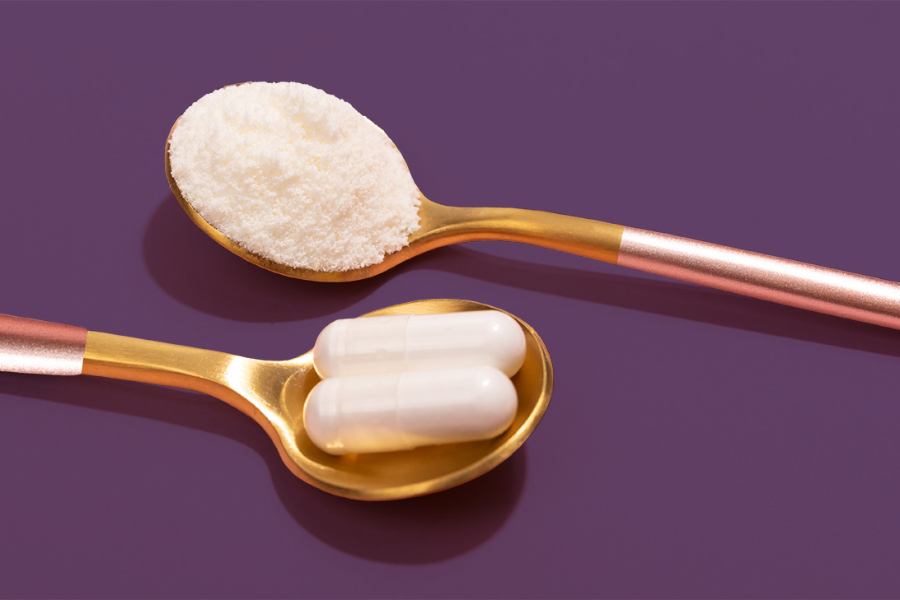
You can find collagen supplements in several forms, including powders, capsules, tablets, and gummies. Powders remain the most popular option because they mix easily into coffee, smoothies, or water and allow for flexible dosing. Capsules and gummies offer convenience but often provide lower amounts of collagen per serving.
Once consumed, collagen does not go directly to the skin or joints. Instead, your body breaks it down into amino acids and peptides, which it then uses where needed. This process explains why results vary and why benefits remain potential rather than guaranteed.
Potential Benefit One: Improved Skin Hydration
One of the most commonly discussed reasons people take collagen supplements relates to skin health. As collagen levels decline, skin often becomes drier, thinner, and more prone to fine lines. Reduced moisture retention contributes to the appearance of wrinkles and rough texture.
Several small studies suggest collagen supplements may support skin hydration. Participants who consumed collagen peptides over a period of weeks showed modest improvements in skin moisture compared to those who did not. Researchers believe collagen peptides may stimulate the body to produce more hyaluronic acid, a compound that helps skin retain water.
While these findings appear encouraging, the studies remain limited in size and scope. Results vary depending on dosage, supplement quality, and individual factors such as age and baseline skin condition. Collagen supplements may support hydration, but they should not replace sun protection, proper skincare, and a balanced diet.
Potential Benefit Two: Enhanced Skin Elasticity
Skin elasticity refers to the skin’s ability to stretch and return to its original shape. Collagen plays a major role in maintaining this firmness. When collagen fibers weaken, skin loses structure and begins to sag.
Some research suggests collagen supplementation may support the dermis, which is the middle layer of the skin responsible for strength and elasticity. In certain trials, participants experienced slight improvements in skin firmness after consistent collagen intake. These changes occurred over several weeks and required daily supplementation.
Researchers theorize that collagen peptides signal fibroblasts, the cells responsible for collagen production, to increase activity. This response may help slow the decline in elasticity over time. However, external factors such as sun exposure and smoking still play a major role in skin aging, regardless of supplement use.
Potential Benefit Three: Support for Hair and Nail Growth
Hair and nails consist largely of protein, and collagen contributes to their strength and structure. As collagen production decreases, hair may become thinner and more brittle, while nails may split or break more easily.
Some people report stronger nails and improved hair appearance after taking collagen supplements. A small number of studies suggest collagen peptides may reduce nail brittleness and improve nail growth rate. However, clinical evidence remains limited, and many studies rely on self-reported results rather than objective measurements.
Hair growth depends on many factors, including genetics, hormone levels, nutrient intake, and overall health. While collagen provides amino acids used to build keratin, it does not guarantee faster or thicker hair growth. Collagen supplements may support overall protein intake, which can benefit hair and nails indirectly, but stronger evidence remains necessary.
Potential Benefit Four: Stronger Bones and Muscles
Bones consist largely of collagen, which forms a flexible framework that supports calcium and other minerals. As collagen levels decline with age, bones can lose strength and become more prone to fractures. Muscle tissue also relies on collagen to maintain structure and support force transmission.
Some studies suggest collagen supplementation may support bone health, particularly in older adults. Research involving postmenopausal women has shown potential improvements in bone mineral density when collagen supplements are combined with calcium and vitamin D. These findings suggest collagen may help slow bone loss associated with aging.
Collagen may also support muscle mass by providing amino acids needed for muscle repair and growth. While collagen does not replace complete protein sources like whey or lean meats, it can contribute to overall protein intake. Athletes and active individuals sometimes use collagen alongside strength training to support connective tissue health.
Potential Benefit Five: Reduced Joint Pain and Improved Mobility
Collagen plays a key role in maintaining cartilage, the tissue that cushions joints and allows smooth movement. As collagen production decreases, cartilage can wear down, leading to stiffness, discomfort, and joint pain.
Several studies suggest collagen supplements may help reduce joint pain, especially in people with osteoarthritis or those who place repetitive stress on their joints. Athletes and older adults appear to benefit the most. Participants in these studies often report reduced discomfort and improved mobility after several months of consistent use.
Researchers believe collagen peptides may stimulate cartilage-producing cells and reduce inflammation within the joints. While these findings appear promising, collagen supplements do not reverse joint damage. They may support comfort and function when used alongside exercise, physical therapy, and proper medical care.
Safety and Possible Side Effects
Collagen supplements generally appear safe for most healthy adults. Reported side effects remain minimal and mild. Some individuals experience headaches, lightheadedness, digestive upset, or diarrhea. These effects often occur when starting supplementation or when taking higher doses.
People with food allergies should check the source of collagen supplements carefully. Marine collagen may trigger reactions in those with shellfish allergies, while bovine collagen may not suit everyone. Reading labels and choosing reputable brands helps reduce risk.
You should also consider interactions with medications or existing health conditions. Discussing any new supplement with a healthcare provider remains a smart step, especially if you are pregnant, nursing, or managing chronic conditions.
Regulation and Research Limitations
Dietary supplements, including collagen, do not undergo the same level of regulation as prescription medications. The FDA does not evaluate supplements for effectiveness before they reach the market. Manufacturers remain responsible for product safety and labeling accuracy.
Because of this limited oversight, supplement quality can vary widely. Independent third-party testing can help confirm purity and dosage accuracy. Choosing well-established brands with transparent sourcing practices may improve reliability.
Current research on collagen supplements shows potential benefits, but it also highlights the need for larger, long-term studies. Most existing research focuses on specific populations and uses relatively small sample sizes. Results may not apply to everyone.
How to Support Collagen Naturally
While supplements receive a lot of attention, lifestyle choices also influence collagen production. Eating adequate protein supports amino acid availability. Foods rich in vitamin C, such as citrus fruits and bell peppers, play a key role in collagen synthesis. Zinc and copper also support collagen formation.
Protecting your skin from excessive sun exposure helps preserve existing collagen. Wearing sunscreen, limiting smoking, and reducing excess sugar intake can also help slow collagen breakdown. Strength training supports muscles and connective tissues, which may reduce stress on joints and bones.
Combining these habits with or without supplementation often produces the best results over time.
Final Thoughts on Collagen Supplements
Collagen supplements offer several potential benefits, including support for skin hydration, elasticity, joint comfort, bone strength, and connective tissue health. Research remains ongoing, and results vary depending on individual factors, dosage, and product quality. Collagen supplements may serve as a helpful addition to a balanced diet and healthy lifestyle, but they should not replace medical care or proven nutrition strategies.
About The Author





